
GPT-6.2 and Claude show early protein design skills, but specialists still lead
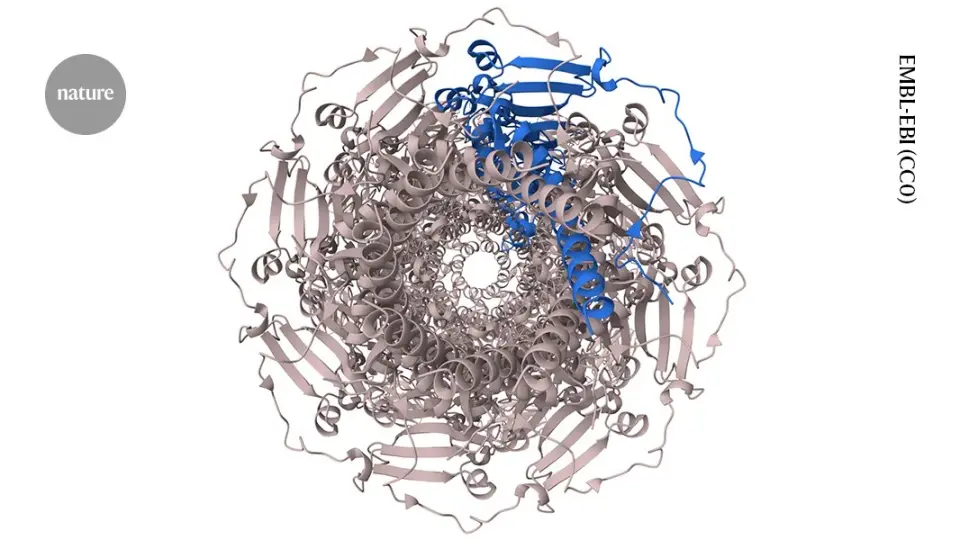
General-purpose AI models are beginning to match specialized tools in protein biology, but they still rely on niche software for key steps.
Key points
- OpenAI’s GPT-6.2 designed protein shapes that bound to five targets in lab tests, achieving a 10.9% success rate among selected candidates.
- Anthropic’s Claude models recently outperformed specialized protein language models in predicting obscure bacterial protein sequences.
- Specialist tools remain essential for generating amino acid sequences and screening candidates, as general models struggle with full structure prediction.
- Researchers debate whether these models truly understand biology or simply regurgitate training data, with some predicting generalists will eventually surpass specialists.
Background
The rise of general-purpose AI in biology follows the 2020 release of AlphaFold2, which revolutionized protein structure prediction. While specialized tools dominate the field, recent experiments suggest large language models may soon handle tasks previously reserved for niche software.
How outlets are covering it
OpenAI frames its results as a proof of concept, emphasizing flexibility through prompts, while acknowledging that specialist models still handle sequence generation and screening. Anthropic’s Claude has shown superior performance in sequence prediction, but experts like Martin Pačesa argue that specialists will likely remain superior for specific tasks. Some researchers question whether these models truly understand biology or just memorize data, while others like Masatoshi Uehara believe generalists will eventually beat specialists in all capabilities.
Why it matters
If general-purpose AI can reliably design proteins, it could accelerate drug discovery and biological research by reducing reliance on complex, specialized software, though significant gaps in accuracy and therapeutic efficacy remain.
What to watch
OpenAI plans to test harder targets, other molecule types, and whether designed proteins have biological activity beyond binding, while researchers continue to debate the future of general versus specialized AI in biology.
- Watch out, AlphaFold: Claude and ChatGPT’s new biology skills wow scientists Nature
- GPT-6 models demonstrate intrinsic protein-design capabilities OpenAI
- OpenAI reports GPT-6.2 protein-design lab hits—with specialists still in the mix Digg
- OpenAI says GPT-6.2 helped design proteins that bound five targets in lab tests Superpower Daily
- OpenAI Says GPT-6 Can Design Proteins Without Specialized Biology Models BigGo Finance
Want the full story? Read the original reporting
Read on Nature