
GTA 6’s Hyperrealism Sparks Public Safety Warnings and Ethical Debate
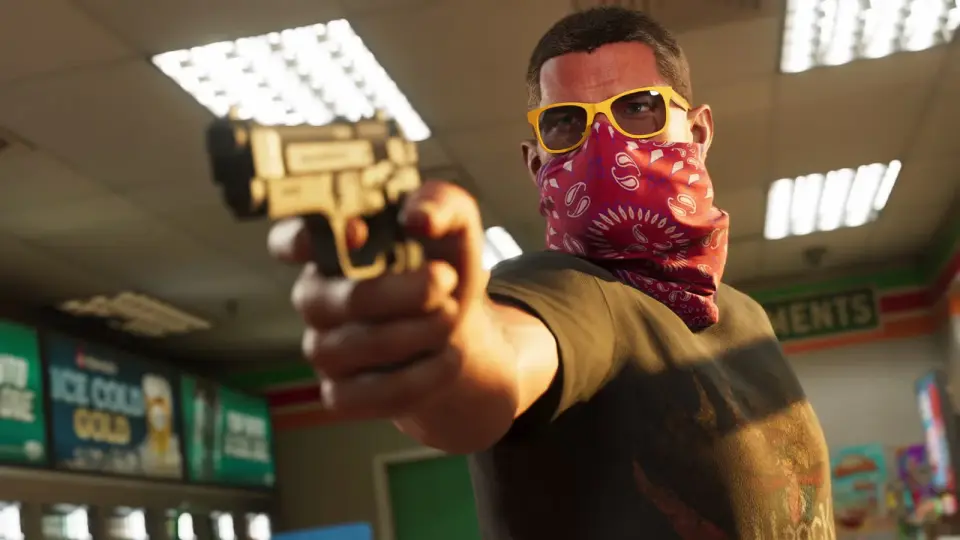
Grand Theft Auto 6 has launched to record-breaking success, but its hyperrealistic graphics and complex mechanics are creating friction between gameplay and real-world behavior. While players struggle with the game’s difficulty in avoiding violence, local police departments in the US are issuing humorous but serious advisories to prevent real-life imitation. Simultaneously, critics are debating the psychological impact of such immersive, violent simulations on players.
Key points
- GTA 6 is currently available for purchase and has generated significant cultural buzz, leading to various public safety campaigns.
- The game’s realistic graphics and detailed NPC behavior make violence feel more impactful, prompting some players to attempt 'no-kill' playthroughs.
- Police departments in Aurora, Colorado, and Newport, Oregon, have issued public warnings comparing real-life traffic laws to the game’s fictional rules.
- Critics argue that the game’s immersive nature may blur the line between virtual and real-world morality, raising concerns about player desensitization.
Background
GTA 6 follows a long-running series known for its satirical take on American society and open-world crime. Previous iterations, such as GTA V, have faced criticism for depicting torture and objectification, but the new installment’s technological advancements have intensified these debates. The game’s release coincides with a broader cultural conversation about the impact of hyperrealistic media on behavior.
How outlets are covering it
Polygon’s Austin Manchester highlights the mechanical difficulty of avoiding violence in GTA 6, noting that driving and combat systems often force players into lethal encounters despite their intentions. In contrast, The New York Times focuses on the ethical implications, arguing that the game’s realism may strain players’ understanding of real-world morality. Local police departments, such as those in Aurora and Newport, take a pragmatic approach, using the game’s popularity to remind citizens that real-life consequences, such as felony charges for car theft, do not include 'reset buttons' or 'unlimited repairs.' While Polygon emphasizes the player’s struggle with game mechanics, the NYT and police departments focus on the broader societal impact of the game’s realism.
Why it matters
GTA 6’s release underscores the growing tension between entertainment and real-world behavior. As video games become more immersive, the line between virtual actions and real-life consequences blurs, prompting public safety officials to engage with gaming culture to prevent imitation. Additionally, the ethical debate surrounding the game’s violence highlights ongoing concerns about the psychological impact of hyperrealistic media on players, particularly in a society increasingly connected to digital entertainment.
What to watch
Expect continued public safety campaigns from local police departments as GTA 6’s popularity grows. Additionally, look for further academic and media discussions on the psychological effects of hyperrealistic video games, particularly regarding desensitization to violence. Rockstar Games may also face increased scrutiny from critics and regulators as the game’s cultural impact becomes more pronounced.
- GTA 6 Makes It Nearly Impossible to Play Without Killing Anyone Polygon.com
- GTA VI inspires Arapahoe County game mashups Axios
- Opinion | Grand Theft Auto Is Depraved. That’s the Point. The New York Times
- 'Play hard, live responsibly': SAPD warns San Antonio gamers not to try their 'Grand Theft Auto' skills in real life kens5.com
- Police remind GTA players: Oregon isn’t Leonida KPTV
Want the full story? Read the original reporting
Read on Polygon.com