
GTA 6’s Mature Narrative Clashes With Its Outdated Satirical Branding
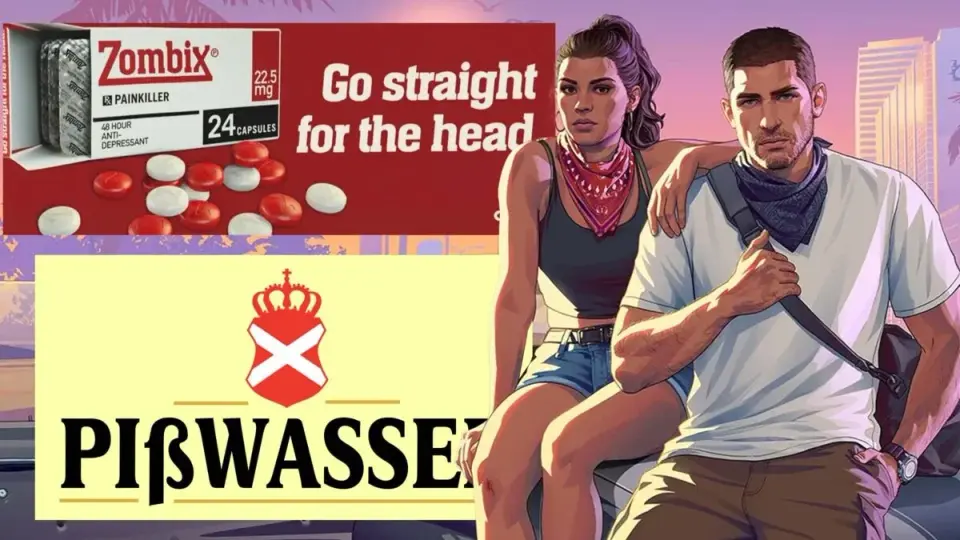
Grand Theft Auto 6 has achieved record-breaking commercial success and critical acclaim, but its elevated storytelling is now at odds with its legacy of crude satirical brand names. While the game features sophisticated dialogue and complex characters, critics argue that some in-game parodies, such as 'Pisswasser' and 'Zombix,' feel dated and undermine the mature tone of the narrative. The game, which launched on November 19, 2026, has generated $3.79 billion in first-day sales, yet its world-building relies on a mix of sharp modern parodies and older, less refined jokes that may no longer fit the series' evolved identity.
Key points
- GTA 6 is the highest-grossing entertainment launch in history, with $3.79 billion in first-day retail sales and 32.5 million units sold.
- The game features a sophisticated narrative involving protagonists Jason Duval and Lucia Caminos, described as a 'Bonnie and Clyde-type' story with multiple endings.
- Critics note that while some parodies like 'Snapmatic' (Instagram) and 'RydeMe' (Uber/Lyft) are effective, others like 'Pisswasser' (Budweiser) and 'Zombix' (Zaxby's) feel dated and detract from the mature storytelling.
- The game includes new satirical elements such as 'AudaCity' (crypto/meme coins) and 'Manifestick' (vaping/anxiety pens), reflecting current cultural trends.
- Rockstar Games has confirmed that all brand names in the game are fictional, with no real-world product placement, allowing for unrestricted satire.
Background
Grand Theft Auto 6 launched on November 19, 2026, after a 13-year gap since the previous main entry, GTA 5. The game is set in the fictional state of Leonida, a photorealistic recreation of Florida, and features two playable protagonists. The launch was accompanied by cultural discussions about its narrative depth and the long development cycle. The game has received near-perfect critical scores and has driven record-breaking engagement on PlayStation, despite lacking a multiplayer mode at launch.
How outlets are covering it
Kotaku argues that the series has outgrown some of its joke brand names, suggesting that crude parodies like 'Pisswasser' and 'Zombix' detract from the mature storytelling and world-building in GTA 6. In contrast, DualShockers highlights the effectiveness of many parodies, such as 'WhatUp' (WhatsApp) and 'Sahara' (Amazon), noting their accuracy and relevance to modern life. Medicine Hat News provides minimal commentary, focusing instead on the game's cultural impact and the controversy surrounding religion as a defense for hate speech in Canada, which is unrelated to the game's branding.
Why it matters
The tension between GTA 6's sophisticated narrative and its satirical branding reflects broader challenges in media adaptation. As the series evolves to match the quality of modern cinema, its reliance on older, cruder jokes may limit its ability to fully engage audiences. This debate highlights the importance of iterative design in long-running franchises, where elements that once worked may no longer fit the current tone or audience expectations.
What to watch
Rockstar Games may consider auditing its satirical brand names for future entries to ensure they align with the series' evolving narrative and tone. The company could also explore new parodies that reflect current cultural trends, while potentially retiring outdated jokes. Additionally, the game's success may influence how other franchises approach satire and world-building in their own titles.
Want the full story? Read the original reporting
Read on Kotaku