
Manifestation trends surge among young Americans, drawing both fervent support and scientific critique
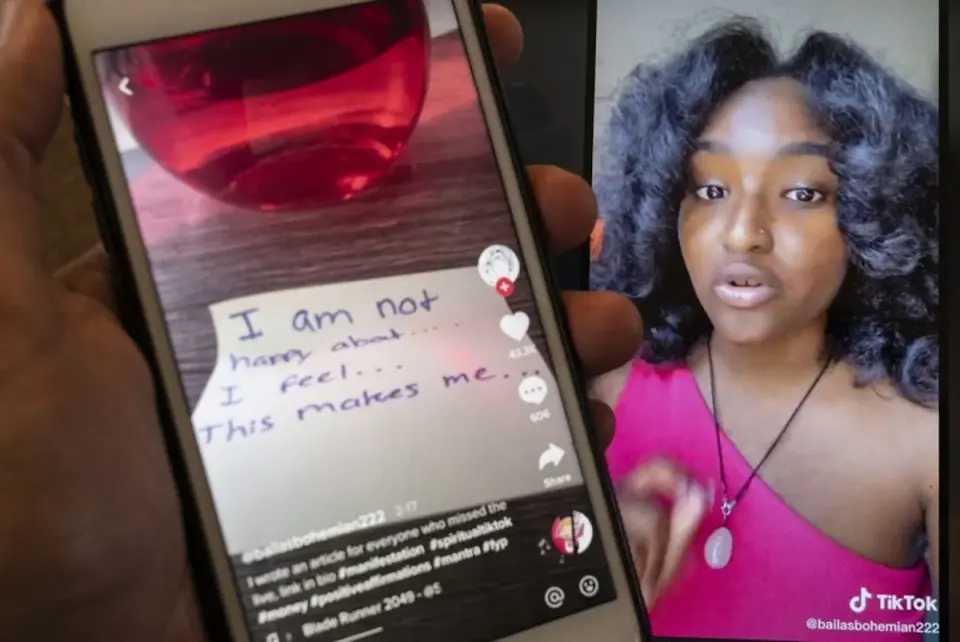
Manifestation, the belief that thoughts shape reality, has exploded in popularity, particularly among younger generations seeking control over their futures. While proponents like Nas Hexxin credit the practice for achieving personal and professional goals, experts like Gabriele Oettingen warn that visualization can hinder actual effort. The trend has spawned a lucrative coaching industry, though critics argue it promotes magical thinking and avoids accountability.
Key points
- Nas Hexxin, a 28-year-old Los Angeles photographer, attributes her marriage, career success, and financial stability to manifestation practices, including vision boards and specific desire lists.
- Google searches for 'manifesting' increased by over 600 percent in early 2020, and the term was named word of the year by the Cambridge Dictionary in 2024.
- TikTok hosts more than 110 million posts related to manifesting, reflecting its massive online presence.
- A Harris Poll indicates that over half of Gen Z Americans use spirituality or manifestation to feel more in control, while nearly half of 18- to 24-year-olds have no religious affiliation.
- Psychologist Gabriele Oettingen argues that fantasizing about goals reduces the effort people put into achieving them, citing studies where dieters who visualized success lost the least weight.
- The manifestation industry has become highly commercialized, with coaches selling programs ranging from $20 audio recordings to $1-million one-on-one sessions.
Background
This story follows broader trends in mental health and self-improvement, such as the recent focus on midlife weight gain driven by muscle loss and hormonal shifts, which also emphasizes the importance of actionable physical strategies over passive mindset adjustments. Additionally, the rise of manifestation parallels other cultural shifts where individuals seek alternative frameworks for control and meaning, similar to the public discourse surrounding mental health awareness following the death of actor RJ Mitte.
Why it matters
The surge in manifestation highlights a significant cultural shift among younger generations who are increasingly turning to non-traditional spiritual practices for control and validation. This trend has profound implications for mental health, as it may discourage proactive problem-solving and foster a cycle of self-blame when goals are not met. Furthermore, the commercialization of manifestation creates a lucrative industry that exploits vulnerability, potentially leading to financial harm and psychological distress for those seeking guidance.
What to watch
Expect continued growth in the manifestation industry, with more coaches and digital content creators entering the market. There may also be increased academic and psychological scrutiny of manifestation techniques, as experts continue to debate the efficacy of visualization versus active effort. Additionally, public discourse may evolve to address the potential risks of magical thinking and the importance of accountability in achieving personal goals.
Want the full story? Read the original reporting
Read on Yahoo