
Silca RCG-3 Gravel Tire Delivers Speed and Grip in 55mm
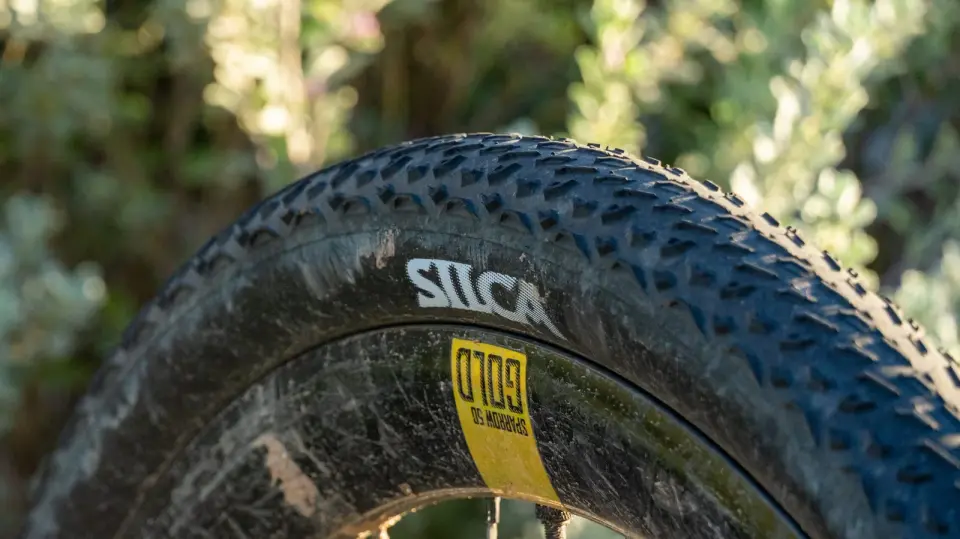
Silca’s new Protocol RCG-3 gravel tire performs exceptionally well in 55mm width, offering fast rolling and strong traction, though its high price and multiple size options may dilute its appeal.
Key points
- The Silca Protocol RCG-3 is available in 45mm, 50mm, and 55mm widths, with the 55mm version weighing 590g and priced at $99.
- Independent testing by John Karrasch shows the 55mm RCG-3 adds only four watts of rolling resistance compared to the slicker RCG-1 on rough gravel, while outperforming knobbier competitors like the Continental Dubnital.
- Velo’s review highlights the tire’s ability to balance suspension compliance with structural stability, providing predictable handling on varied terrain without feeling vague or sloppy.
- The tire mounts easily with a floor pump and maintains its 56mm width on the rim after several rides, though durability concerns persist due to its lightweight construction and shallow tread.
- Critics note that offering smaller 45mm and 50mm versions may undermine the performance of the optimized 55mm design, suggesting Silca should have focused exclusively on the larger size.
Background
Silca entered the gravel tire market this summer with significant hype, backed by sponsored athletes and media presence. While previous products like their sealant faced criticism, the RCG-3 aims to validate the brand’s performance claims through rigorous testing and real-world use.
Why it matters
The RCG-3 sets a new benchmark for high-performance gravel tires, challenging established competitors by combining speed with traction. Its success could influence consumer expectations for premium cycling gear and push other brands to prioritize larger tire widths for better ride quality.
What to watch
Silca may face pressure to refine its product lineup or adjust pricing strategies as more third-party tests and rider feedback emerge. The brand’s ability to sustain market interest will depend on addressing durability concerns and justifying the premium cost against lower-priced alternatives.
Want the full story? Read the original reporting
Read on Outside Magazine