
UK and US Schools Deploy Raffles and Strict Policies to Counter GTA 6 Absenteeism
Grand Theft Auto VI launched on November 19, 2026, after a 13-year hiatus, triggering widespread concerns about student absenteeism. In response, schools in the UK and US have implemented varied strategies to maintain attendance, ranging from raffles for Amazon vouchers and free dinners to strict warnings that absences will be recorded as unauthorized. While some institutions offer incentives to keep students engaged, others emphasize the game's mature rating and potential for addiction. Experts and parents highlight the need for monitoring gaming habits and prioritizing education, noting that the game's violent content and addictive nature pose risks for young players. The release has also sparked broader discussions about the cultural impact of gaming and the challenges of shielding children from mature content in a digital age.
Key points
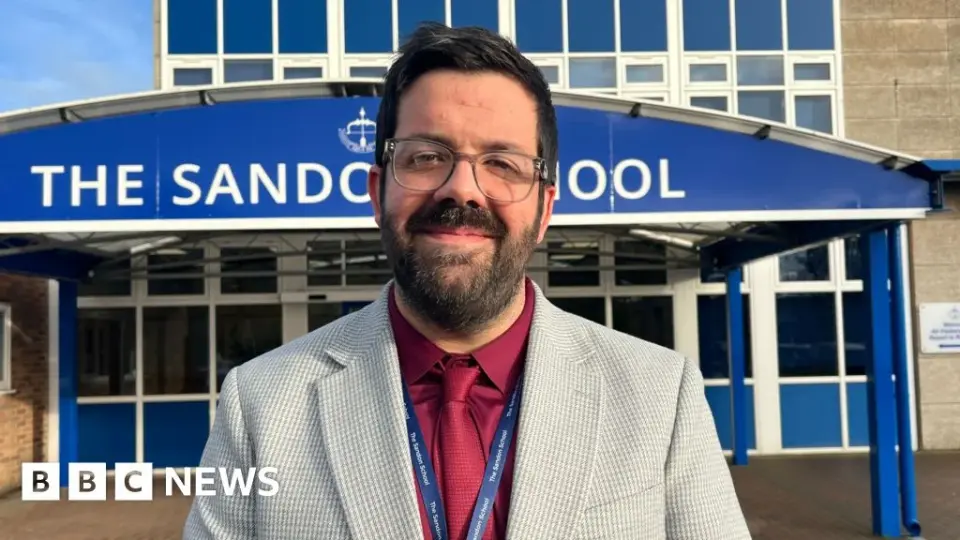
- Sandon School in Chelmsford, Essex, is running a raffle for £10 Amazon vouchers, free Christmas dinners, and lunchtime queue jump passes to incentivize attendance.
- Head teacher Jon Pead stated that the school is aware of the excitement around the game's release and aims to prevent empty classrooms, noting that national attendance figures dropped from 94% to 91% post-pandemic.
- The Ramsey Academy in Halstead, Essex, is rewarding students with sweet treats and house points simply for attending school, acknowledging that the game will be on many students' minds.
- Carmel Middle School in Charlotte, North Carolina, emailed families urging students to 'press start on learning' instead of playing the game, emphasizing the importance of education.
- Atlantic High School in Iowa declared that any absences on the day of the release would be unexcused, while acknowledging students' creative excuses for skipping class.
- The game is rated M for mature audiences (ages 17+), featuring intense violence, sexual content, and drug use, which has raised concerns among parents and educators.
Background
The launch of GTA 6 follows a period of declining school attendance in the UK, with figures dropping from 94% to 91% after the pandemic. The game's release after a 13-year wait has created a cultural moment, with many adults also taking leave to play. Previous coverage highlighted the game's record sales and critical acclaim, but also the concerns about its mature content and potential for addiction. The current response from schools reflects a broader trend of institutions trying to balance student engagement with the realities of a highly anticipated cultural event.
How outlets are covering it
BBC emphasizes the proactive measures taken by UK schools, such as raffles and incentives, to counter absenteeism, while also noting the game's mature rating and the need for regular attendance. WBTV focuses on the US perspective, highlighting Carmel Middle School's email urging students to prioritize education over gaming. ABC News provides a broader view of parental concerns, featuring experts who warn about the game's addictive nature and the challenges of shielding children from mature content. KETV reports on the strict stance of Atlantic High School in Iowa, which declared absences unexcused, while also acknowledging the cultural impact of the game. The outlets differ in their emphasis, with some focusing on incentives and others on strict policies, but all agree on the need to maintain attendance and monitor the game's impact on students.
Why it matters
The response to GTA 6's release highlights the growing influence of video games on student behavior and the challenges educators face in maintaining attendance and engagement. The varied strategies employed by schools reflect a broader trend of institutions trying to balance student well-being with the realities of a highly anticipated cultural event. The concerns raised by experts and parents about the game's mature content and addictive nature underscore the need for ongoing dialogue about the impact of technology on young people. This event also serves as a case study in how cultural phenomena can affect educational settings and the measures taken to mitigate their impact.
What to watch
Schools will likely continue to monitor attendance and implement strategies to keep students engaged in the coming weeks. Parents and educators may engage in further discussions about the game's impact on children, potentially leading to new policies or guidelines. The game's release may also spark broader conversations about the role of technology in education and the need for age-appropriate content. As the game's popularity continues, schools may face ongoing challenges in maintaining attendance and ensuring that students prioritize their education over gaming.
- Essex school raffles Amazon vouchers to stop GTA 6 skiving BBC
- Carmel Middle School urges students to attend class as ‘Grand Theft Auto VI’ launches WBTV
- What parents need to know about GTA 6 and kids ABC News - Breaking News, Latest News and Videos
- Iowa high school warns students missing class for GTA VI release won't be excused KETV
- School to send minibus to pick up truants playing Grand Theft Auto VI The Telegraph
Want the full story? Read the original reporting
Read on BBC