
Smart bird feeders offer high-tech birdwatching but struggle with pest control
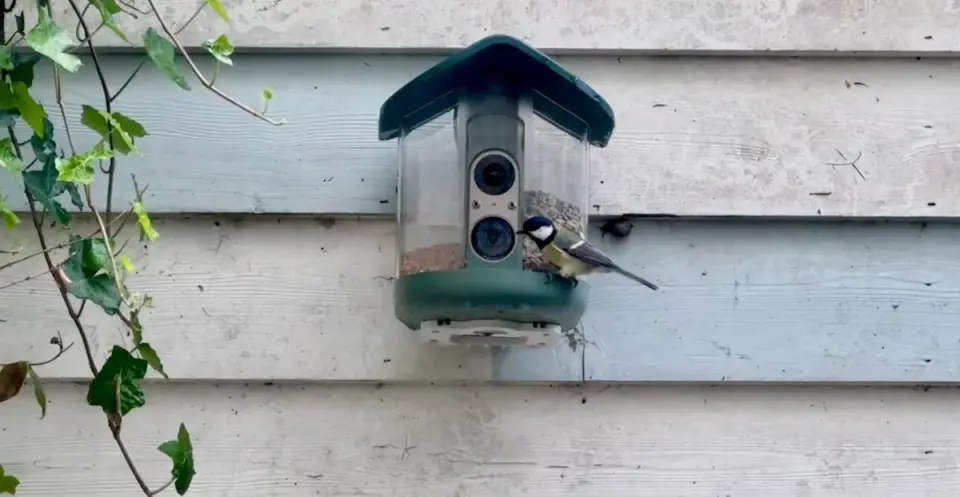
AI-powered bird feeders provide detailed species identification and high-quality video but often fail to deter larger pests like pigeons and mice, leading some users to abandon the technology.
Key points
- The Kiwibit Bird Feeder 2 Pro costs $269 and features a 4K camera with AI species identification.
- The Birdfy Feeder Metal is currently discounted to $175.99 and offers 1080p recording with AI alerts.
- Both devices use solar power and mobile apps to notify users of visitor activity.
- Large birds like pigeons can block camera lenses and ignore built-in nuisance alarms.
- Mice often feed on spilled seeds, creating a secondary pest problem.
- Some reviewers recommend starting with non-smart feeders to avoid these issues.
Background
The smart bird feeder market has expanded significantly, with brands like Kiwibit and Birdfy competing on features like AI identification and solar power. These devices aim to enhance the hobby of birdwatching by providing data and entertainment, but they introduce new challenges regarding wildlife management and hardware durability.
How outlets are covering it
The Verge highlights the frustration of the Kiwibit Bird Feeder 2 Pro, noting that while the AI correctly identified small birds like Great Tits, it failed to stop a Common Wood Pigeon from blocking the lens and eating the seed. The reviewer eventually removed the feeder due to the persistence of pigeons and mice. In contrast, Digital Camera World praises the Birdfy Feeder Metal for its metal construction and flexible mounting, emphasizing its value at a discounted price of $175.99. Homes and Gardens focuses on the aesthetic appeal of the Kiwibit, noting its sleek green design and high user ratings for build quality, despite the functional limitations noted by other outlets.
Why it matters
As AI integration becomes common in consumer garden gadgets, these devices reveal the gap between technical capability and practical utility. While they offer rich data and entertainment, they may not solve the core problem of feeding birds without attracting unwanted pests, suggesting that simpler, non-smart solutions might be more effective for many users.
What to watch
Consumers are likely to continue evaluating smart feeders based on their ability to manage pest intrusion, not just their camera quality. Manufacturers may need to improve deterrent features or adjust marketing to set realistic expectations about the types of animals these devices can attract.
- My brief romance with an AI bird feeder The Verge
- Peck 36% Off the Editors' Choice-Winning Birdfy Rookie With a Lifetime Subscription During Prime Big Deal Days Yahoo Tech
- I tested smart garden birdbath fitted with AI that can identify over 6k species The Irish Sun
- I loved this smart bird feeder when I reviewed it – now it’s only $175.99 Digital Camera World
- I Found the Most Stylish Bird Feeder Camera in the Amazon Sale – It Sends Real-Time Alerts Straight to Your Phone Homes and Gardens
Want the full story? Read the original reporting
Read on The Verge