Sony announces the RX10 V, a $2,300 bridge camera with a built-in 24-600mm f/2.4-4.0 zoom, offering AI-powered autofocus, 4K/120fps slow motion, a tilting LCD, and long battery life, all in a 2.4-pound body—lighter than carrying a separate 600mm lens—though it uses a smaller 1-inch sensor, trading some low-light detail; available now.
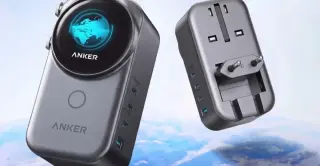
Anker’s Prime Wireless Charging Station (3-in-1 for iPhone MagSafe, Apple Watch, and AirPods) is now $134.99 (down $95) at Amazon and from Anker with promo code WS7DV2LJ3JGU, with Qi2.2 up to 25W for iPhone 16 and newer, a 1.65-inch touchscreen, three charging modes, and a bundled 65W USB-C adapter; black version is slightly more expensive.
The Verge reports Twelve South’s AirFly Pro is on sale for $39.99 (about $15 off) on Amazon, the best price we’ve seen all year. For $5 more than the AirFly SE, the Pro adds Bluetooth transmitter and receiver modes and can pair two headphones at once, with a 25-hour battery—enough to outlast long international flights and to connect wireless headphones to car stereos, Nintendo Switch, gym equipment, and other 3.5mm-jack devices.
Sony unveils the wired IER-M500 in-ear monitors at $120, featuring a 5mm driver and an extended 10 Hz–40 kHz range, a sealed design for strong sound isolation, and a wide range of fit options. The headphones come with a 1.6m cable and 3.5mm jack, are aimed at live musicians but also suitable for general listeners, and preorder is open with shipping expected in late August.
Lenovo has quietly ended sales of its licensed Game Boy–style G02 handheld after reports that the device came preloaded with pirated games. The device later resurfaced under new names—“Sunyao G02” and then “Gusgu H7”—but Lenovo says it does not authorize or support these products or pirate content. With Lenovo distancing itself, buyers can still find similar retro handhelds from other brands at affordable prices, highlighting a crowded, lower-cost market for handheld emulation devices.
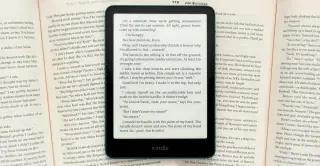
The PocketMage is a crowdfunded clamshell PDA from Talisman Design that pairs a tactile keyboard with a 3.1-inch 320×240 e-paper main display and a 1.8-inch OLED secondary display for a distraction-free productivity device. It runs on an ESP32‑S3 with 2MB RAM and 16MB storage (expandable via microSD) and comes with calendar, journal, dictionary, and a Markdown editor, plus other apps like a calculator, e‑book reader, and browser. It includes a week‑long 1,200 mAh battery, Wi‑Fi, Bluetooth, USB‑C, and a powered expansion port for hardware add‑ons. Crowd Supply offers two preorder options—$235 for a fully assembled unit or $185 for a DIY kit—in parchment gray or royal purple accents, with shipping not expected before March 2027 at the earliest.
Renders leaked ahead of Samsung’s July 22 Unpacked show reveal three Galaxy Z Flip 8 colorways—Cream, Graphite, and Pink—with Mint rumored as a possible exclusive; the Flip 8 reportedly sticks to the Flip 7’s design and camera setup, signaling only modest changes as Samsung readies a broader foldable lineup and new Watch models alongside AI features.
The Verge tests Mondo Robotics’ Beni, a two‑legged robot dog that can run up to 18 mph, jump about 10 inches, follow you or a pet, and film in 4K HDR (with options for 3K60 or 1080p60+). It’s Kickstarter‑priced around $600 with an $800 full retail tag, controllable via app joysticks or a wrist controller, and capable of following from behind, orbiting, or snapping ahead like a drone. The robot is reportedly sturdy and rebound-capable after crashes, but the demo also shows some alignment issues and potential timing risks for fall shipping. If production stays on track, Beni could be a fun, capable camera‑bot with future add‑ons (treat‑tosser, dock charge) and modular accessories; otherwise it remains a promising prototype with uncertain delivery.
Gizmodo reports that Microsoft’s Xbox is undergoing a sweeping reset, cutting about 1,600 jobs and four studios, with a plan to trim around 3,200 more by year’s end as it doubles down on a costly next-gen effort called Project Helix. While the console team allegedly stays intact, memory-price pressures and a stagnant Game Pass (roughly 30 million subscribers vs. a 77 million target) push Xbox toward a hardware-first strategy, with potential streaming or PC/mobile angles. Past bets on aggressive pricing and a broad “Everything is an Xbox” strategy failed, and executives warn this could be the most significant hardware crisis in the industry. The question remains whether Helix can justify a premium price and revive growth, or whether this will be Xbox’s last major console push after repeated resets.
Meta will update its Ray‑Ban Meta smart glasses to automatically disable the camera if someone tamps with or destroys the privacy LED light, a move aimed at deterring modders who drill or block the light. The company has long warned against tampering and shown prompts when the light is blocked, but the new measure will actively shut off recording in such cases as privacy concerns grow and venues consider bans.
Solos unveiled the AirGo A6, a camera-free smart-glasses model weighing about 19g—roughly half last year’s AirGo A5—thanks to thinner temple arms and smaller internals, while still offering hands-free AI via voice commands, translations, and calendar reminders. It will support prescription lenses and come in multiple transparent styles, with pricing not finalized yet. Solos also announced privacy accessories for AirGo V2, including $39 transparent temples and a $49 privacy shield (bundled with sunglasses for $79) to physically block the camera, underscoring a privacy-first approach when smart features aren’t needed.
Solos is making its AirGo V2 smart glasses more discreet with a $79 privacy kit that adds ClearView Temples, a Clip-On Privacy Shield, and a polarized lens; the AirGo V2 itself launches today at $299, and Solos is also introducing a camera-free AirGo A6 (availability TBD). The kit provides a physical privacy solution for camera-sensitive situations and could help wearers navigate bans in venues like cruise ships, courts, and standardized testing.
Nothing’s first B-series phone, the Phone 4B, is skipping the US again and launching in the UK, Europe, and India for £299 / €329. It features a plastic unibody design, a 6.77-inch 120Hz OLED display, Snapdragon 6 Gen 4 with 8GB RAM and 128/256GB storage, and a 5,200mAh battery (6,000mAh in India), running Android 16 with three years of OS updates. Availability starts July 17, with the US left out, while the cheaper Phone 3A Lite branding has been folded into the lineup, Ear 3A earbuds are launching in the US, and Nothing paused CMF budget phones due to RAM price rises.
This tech roundup showcases 12 budget-friendly home‑office upgrades under $25, spanning peripherals, ergonomic supports, connectivity, lighting, and storage. Highlights include a multi‑button mouse (Redragon M612 Predator), wireless keyboard/mouse combo (Logitech MK270), a laptop stand (Amazon Basics), a clamp‑on monitor arm (Wali), a cable‑management box (Naeety), a GaN charger (Belkin), a ring light (UBeesize), a budget webcam (NexiGo N60), smart bulbs (TP‑Link Tapo L535E), a 12‑outlet surge protector (Belkin), a USB‑C hub (Anker), and a dual‑port USB flash drive (SanDisk Ultra Dual Drive). The piece emphasizes improving posture, reducing cable clutter, better lighting, and reliable connectivity without breaking the bank, noting each item’s price, reviews, and availability across major retailers plus a brief methodology of selection.
Hoto’s PixelDrive cordless screwdriver is on sale for $59.99 at Amazon, matching its best price to date. The kit includes 30 bits, a built-in display for torque and battery life, six torque settings, two RPM modes (80 and 200), a USB-C rechargeable 2,000mAh battery, and an LED light for dim workspaces.