
House House Developers Detail Big Walk's Six-Year Evolution from Pandemic Prototype to Wilsons Promontory Recreation
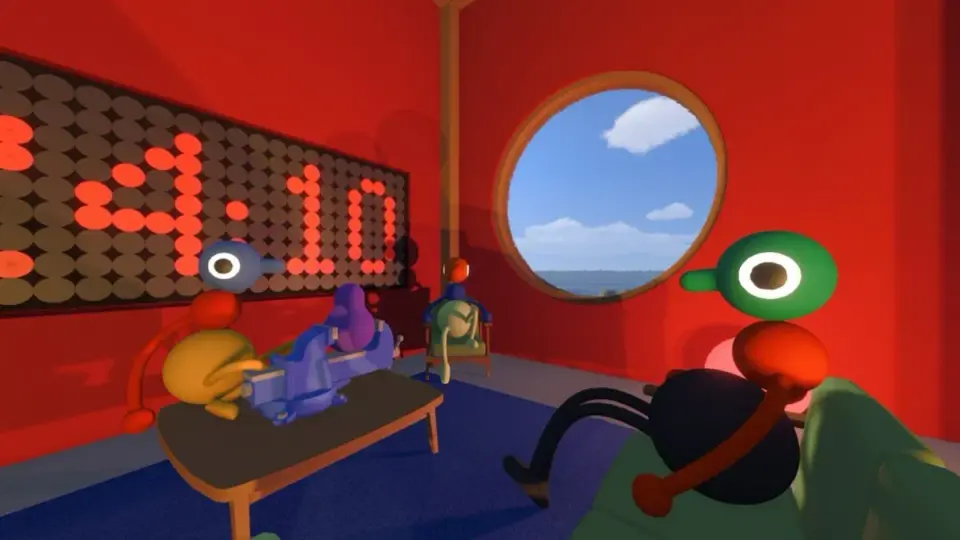
House House’s Big Walk, a co-op game set in a 1:20 scale recreation of Wilsons Promontory National Park, launched in August 2026 and sold over one million copies in six days. Developed over six years starting as a pandemic-era prototype, the game emphasizes proximity voice chat and non-verbal communication over traditional puzzles. The studio used lidar scans and local research to create a naturalistic environment, while the soundtrack by friends Sam Gill and Luke Neher is synced to the in-game day-night cycle.
Key points
- Big Walk sold over 1 million copies in its first week, exceeding the annual visitor count of the real Wilsons Promontory National Park.
- The game features a 1:20 scale recreation of Wilsons Promontory using lidar scans and 80-100 native plant models placed according to Victorian ecological vegetation classes.
- Development began in 2020 as a prototype for social connection during lockdown, evolving into a commercial title despite initial fears of missing the post-COVID multiplayer trend.
- The soundtrack, composed by Sam Gill and Luke Neher (AKSFX), is designed to loop every 15 minutes to match the in-game day-night cycle, with specific tracks like 'Breathwork' aligning with sunset.
- Puzzles are designed to be solvable by four players, but the game supports up to 12, creating intentional communication gaps and chaotic coordination challenges.
- The game’s antagonist is a bell, a recurring motif from House House’s previous title, Untitled Goose Game, which the developers acknowledge as a shared obsession with annoying sound items.
Background
Big Walk is the follow-up to House House’s 2019 hit Untitled Goose Game, which won a BAFTA in 2020. The studio, based in Melbourne, Australia, leveraged the financial success of their previous title to fund a six-year development cycle for Big Walk. The game’s release coincided with a broader trend in post-COVID multiplayer games, such as Lethal Company and Peak, which emphasized social hangouts and proximity voice chat. House House began development before this trend emerged, initially viewing the project as non-commercial, but later feared they had missed the market window due to the lengthy development time.
How outlets are covering it
Kotaku highlights the intimate, in-game interview format, emphasizing the developers' personal connection to the game’s design and the emotional impact of playing together. ABC News focuses on the technical and geographic fidelity of the game, detailing the use of lidar scans and local research to recreate Wilsons Promontory, as well as the game’s commercial success. Eurogamer frames the game as a tool for combating loneliness, highlighting its ability to bring strangers together and create meaningful social interactions, even among non-gamers. While all sources agree on the game’s success and unique design, Kotaku emphasizes the creative process, ABC News the technical achievement, and Eurogamer the social impact.
Why it matters
Big Walk’s success demonstrates the viability of co-op games that prioritize social interaction and communication over traditional mechanical puzzles. Its commercial performance, surpassing one million sales in six days, indicates a strong market demand for games that foster connection and shared experiences, particularly in the post-COVID era. The game’s detailed recreation of a real-world location and its innovative use of proximity voice chat set a new standard for indie development, influencing future titles in the genre.
What to watch
House House may continue to explore the intersection of social interaction and game design, potentially expanding on the success of Big Walk with new projects. The game’s popularity could lead to increased interest in co-op titles that emphasize communication and collaboration, possibly influencing the development of similar games in the industry. Additionally, the game’s success may encourage more studios to invest in detailed, real-world recreations and innovative social mechanics.
- The Creators Of Big Walk Break Down The GOTY Contender’s Development, Puzzles, And Stunning Ending Kotaku
- Untitled Goose Game studio turns Victoria into a playground ABC News & Headlines – Australian Broadcasting Corporation
- Filling Big Walk with people who had no one to play with demonstrated how deceptively profound it can be eurogamer.net
- 8 Changes That Should Be Made to Big Walk DualShockers
- PS5 hit Big Walk devs address 'friendslop' label given to 2026 masterpiece Daily Express
Want the full story? Read the original reporting
Read on Kotaku