
Valve confirms RAM crisis has not altered Steam Deck 2 development strategy
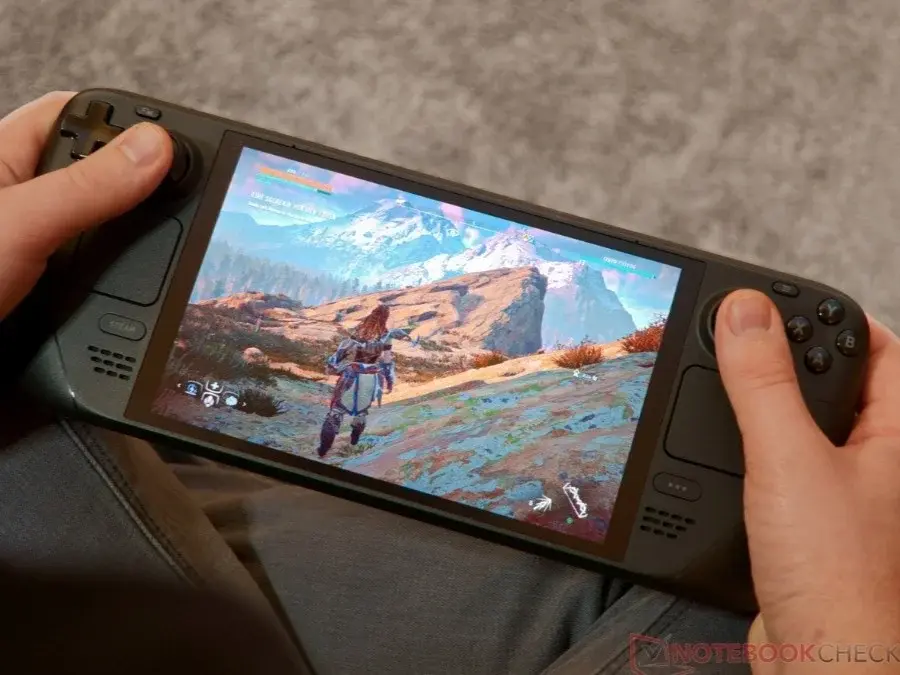
Valve has confirmed that the ongoing global memory shortage has not changed its development plans for the Steam Deck 2. While rising RAM costs have forced price hikes on existing hardware, the company remains committed to waiting for a significant generational performance leap before releasing a successor. No official release date has been announced, though previous rumors suggested a 2028 window.
Key points
- Valve developer Pierre-Loup Griffais stated in an interview with IGN that the current memory crisis has not significantly impacted the strategic goals for the Steam Deck 2.
- The company continues to prioritize a substantial performance improvement that maintains battery efficiency, rather than releasing a minor upgrade.
- Existing Steam Deck prices have increased due to component costs, with the 512GB OLED model now costing $789 and the 1TB model $949.
- Valve has not confirmed a specific release window for the next handheld, though earlier rumors pointed to 2028.
- The Steam Machine and Steam Frame also faced higher launch prices due to the same supply chain issues.
Background
Valve has previously indicated that a Steam Deck 2 would only launch when a clear generational leap in performance could be achieved without sacrificing battery life. In 2024, the company emphasized this long-term approach. Recent months have seen a broader 'RAMageddon' affecting the tech industry, forcing companies to raise prices or delay hardware. Valve recently launched the Steam Machine and the $1,059 Steam Frame, both of which faced higher-than-expected costs due to memory shortages. A cyberattack on logistics partner CEVA in August 2026 also affected Steam hardware buyers, but this is unrelated to the current hardware development strategy.
How outlets are covering it
Notebookcheck and Kotaku report that Valve’s stance remains unchanged despite the memory crisis, citing Griffais’s comments to IGN. The Verge frames the situation as Valve still figuring out 'how and when' to deliver the device, noting that the company may be waiting out the RAM shortage before engaging with the silicon supply chain again. iXBT.games confirms that the memory market crisis has not affected Valve’s plans. While all sources agree on the lack of immediate change, The Verge highlights the ambiguity of the timeline, whereas Notebookcheck and Kotaku emphasize the consistency of Valve’s performance goals. Kotaku notes that higher prices may impact demand, but Griffais suggests Valve is comfortable with current market trends.
Why it matters
The Steam Deck 2 is a highly anticipated product in the handheld gaming market. The confirmation that the memory crisis has not derailed its development provides stability for consumers and investors, despite the rising costs of existing hardware. It also highlights Valve’s strategy of prioritizing long-term performance gains over short-term market releases, which could impact the competitive landscape against other handheld devices like the Sony PS6 Portable.
What to watch
Valve will continue to monitor market conditions to determine when it can deliver a Steam Deck 2 that meets its performance and efficiency standards. No official release date has been set, but the company is expected to provide updates as the memory crisis evolves. Consumers should expect continued price increases on existing Steam hardware until supply chain issues resolve.
- Steam Deck 2 plans remain unchanged despite the ongoing memory crisis, Valve confirms Notebookcheck
- Valve is still figuring out ‘how and when’ to do Steam Deck 2 The Verge
- 'We’re Still Looking at It in the Same Way' – Valve Says the RAM Crisis Hasn’t Affected Its Plans for Steam Deck 2 IGN
- Memory Market Crisis Has Not Affected Valve's Plans for Steam Deck 2 ixbt.games
- Valve Says Mystery Plans For Steam Deck 2 Remain Unchanged Despite RAM Crisis Kotaku
Want the full story? Read the original reporting
Read on Notebookcheck