
GameCube's 25-Year Legacy: Why Its Library Still Defines Gaming
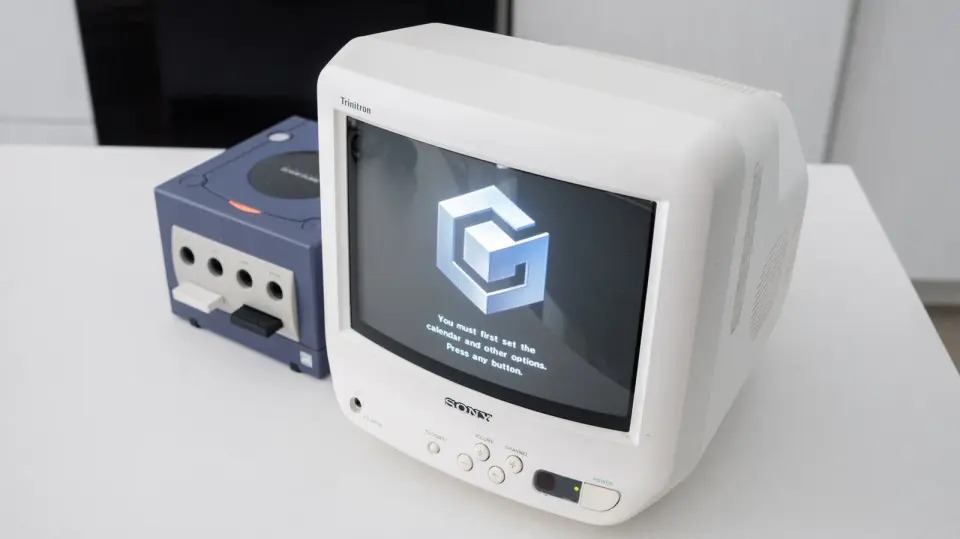
Marking its 25th anniversary, the Nintendo GameCube is re-evaluated not for its sales or DVD capabilities, but for its enduring, high-quality game library. While it lacked the third-party support of the PlayStation 2 or the launch exclusives of the Xbox, titles like Metroid Prime and Super Smash Bros. Melee remain influential. The console's 2001 debut coincided with a pivotal year in gaming, yet its unique hardware and software choices have cemented its status as a beloved, if niche, platform in modern retrospectives.
Key points
- The GameCube launched in Japan on September 14, 2001, and in North America on November 18, 2001, during a period when the PlayStation 2 and Xbox were already established.
- Unlike its competitors, the GameCube did not include DVD playback, a feature that was a major selling point for the PS2 and Xbox at the time.
- The console faced challenges with third-party support and lacked a definitive launch exclusive comparable to Halo: Combat Evolved, yet it developed a strong library of first-party titles.
- Key titles highlighted for their longevity include Animal Crossing, which pioneered its franchise's real-time loop, and Eternal Darkness, which innovated horror mechanics by breaking the fourth wall.
- Resident Evil 4, initially a GameCube exclusive, is noted for its superior graphics compared to the PlayStation 2 version, showcasing the console's hidden horsepower.
- Super Smash Bros. Melee is frequently cited as the most perfect entry in the series, with professional players still utilizing the game today due to its precise moment-to-moment gameplay.
Background
The GameCube's 2001 release occurred during a highly competitive console generation. While the PlayStation 2 had already launched and was accumulating critical hits like Grand Theft Auto III and Final Fantasy X, the GameCube arrived as a smaller, purple system that struggled to match its rivals in marketing and third-party support. However, recent retrospectives, including our own coverage of 2002-era titles like Super Mario Sunshine, suggest that the era's games are being re-evaluated for their design innovation rather than just commercial success. The GameCube's library, while smaller, is increasingly viewed as a curated collection of high-quality, influential titles that have aged well, contrasting with the broader but sometimes less refined libraries of its competitors.
Why it matters
The GameCube's 25-year anniversary highlights a shift in how gaming history is assessed. Rather than judging consoles solely by sales figures or hardware specs, the focus is now on the enduring quality and influence of their software. The GameCube's success in creating iconic franchises like Animal Crossing and Metroid Prime, despite its commercial limitations, demonstrates that a smaller platform can have a disproportionate impact on game design. This legacy continues to influence modern gaming, with remasters and digital collections ensuring that these titles remain accessible to new generations of players.
What to watch
The availability of GameCube titles on modern platforms, such as the Switch 2 via the Nintendo Classics collection, suggests a continued interest in preserving and re-releasing classic games. While no new GameCube titles are expected, the ongoing re-releases and remasters of games like Metroid Prime and Twilight Princess indicate that Nintendo is keen to capitalize on the nostalgia and enduring appeal of its 2001-era library. The future of these games lies in their continued accessibility and the potential for further remasters or digital re-releases that can introduce these classics to a new audience.
- The GameCube Games We Still Love, 25 Years Later Engadget
- 10 Near-Perfect GameCube Games Nobody Played Polygon.com
- Remembering Nintendo GameCube, 25 Years On From Launch IGN
- Purple magic cube: 25 years of Nintendo GameCube heise online
- 25 Years Ago, Nintendo’s Most Forgotten Console Came Out mensjournal.com
Want the full story? Read the original reporting
Read on Engadget