
Netflix Closes Night School and Moonloot Studios, Leaving Next Games as Sole Internal Developer
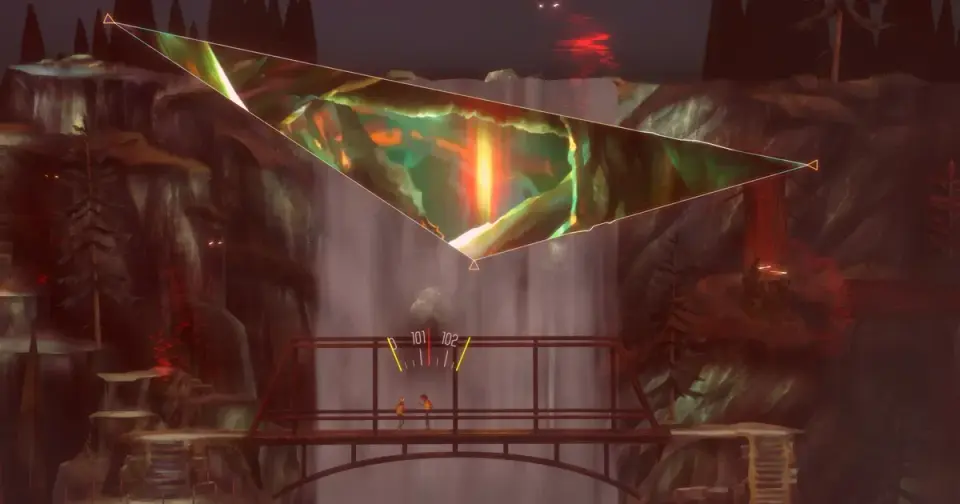
Netflix has shut down Night School Studio and Moonloot Games, eliminating roles across its internal games teams. This move occurs just six weeks after the release of Night School's title 'Unhinged' and leaves Next Games as the only remaining internal studio. The streamer is refocusing its gaming division on four key areas: kids, party, narrative, and mainstream titles, while cutting internal staff to improve strategic efficiency.
Key points
- Netflix closed Night School Studio, its first acquired developer (2021), and Helsinki-based Moonloot Games on August 13, 2026.
- The closure of Night School follows the release of 'Unhinged' just six weeks prior, a title Netflix previously highlighted as a successful cloud debut.
- Unspecified roles within Netflix's internal games team are also being cut, though the exact number of affected employees was not disclosed.
- Next Games, acquired in 2022 for approximately €65 million, is now the only remaining internal studio, alongside a team working with external developers.
- Netflix's gaming strategy is now focused on four pillars: kids ('Netflix Playground'), party ('Netflix Minigolf'), narrative, and mainstream ('FIFA World Cup: Launch Edition').
Background
Netflix entered the gaming market in 2021 by acquiring Night School Studio, the creator of 'Oxenfree' and 'Afterparty.' Since then, the company has undergone multiple restructuring efforts, including the shutdown of Team Blue in 2024 and Boss Fight Entertainment in late 2025. In 2024, Alain Tascan joined as president of games, shifting the division's focus toward specific categories. The current closures continue a pattern of divesting or closing studios that do not align with the new strategic priorities, following earlier cuts at Spry Fox and other entities.
How outlets are covering it
Rock Paper Shotgun emphasizes the irony of closing Night School just six weeks after 'Unhinged' released, noting the studio's high regard in the industry. Variety highlights the broader context of Netflix's shrinking internal game business, noting that the division now consists primarily of Next Games and external partnerships. The Los Angeles Times frames the move as a response to investor pressure and declining stock performance, noting that Netflix is pivoting toward cloud and TV-based gaming. GamesIndustry.biz provides a factual overview of the remaining structure, confirming that Next Games is the sole internal studio left. All sources agree on the closure of the two studios and the refocus on specific game categories, but differ in their emphasis on the timing relative to 'Unhinged's release and the broader financial context.
Why it matters
The closure of Night School and Moonloot signals a significant shift in Netflix's approach to gaming, moving away from large-scale narrative development toward a more focused strategy on kids, party, and mainstream titles. This restructuring reflects the company's efforts to improve efficiency and align its gaming portfolio with its broader entertainment strategy, while also highlighting the challenges of integrating gaming into a streaming platform.
What to watch
Netflix will continue to focus on its four key gaming areas, with Next Games as the sole internal studio. The company may further refine its strategy based on the performance of titles like 'Unhinged' and 'FIFA World Cup: Launch Edition.' Investors and industry observers will watch how Netflix's gaming division performs in the coming quarters, particularly in the cloud and TV-based gaming segments.
- Five years after acquiring Oxenfree developer Night School Studio, Netflix are shutting them down Rock Paper Shotgun
- Netflix to shut down two more game studios Game File | Stephen Totilo
- Netflix Shuts Down Studio Behind ‘Unhinged’ Game 6 Weeks After Release Variety
- Netflix plans to close two gaming studios, including one in Hollywood Los Angeles Times
- Netflix shutters Night School Studio and Moonloot Games GamesIndustry.biz
Want the full story? Read the original reporting
Read on Rock Paper Shotgun