Netflix is closing two game studios—Night School Studio and Moonloot—as it narrows its gaming portfolio to kid-friendly, party, and story-driven titles. The move follows layoffs at Refactor Games and comes after Unhinged was praised, signaling a strategic realignment of Netflix’s gaming ambitions.
Netflix is shutting down Night School Studio and Moonloot, five years after acquiring Night School as part of organizational changes to focus its games business. The move also involves layoffs within Netflix’s internal games team and follows the release of Night School’s Netflix-exclusive Unhinged. Netflix says the changes are intended to better align with its priorities, although the company has previously closed other studios in its gaming division.
Netflix has shuttered Night School Studio and Moonloot Games and is cutting roles across its games division, leaving Next Games as the sole internal studio; the restructuring reflects Netflix's ongoing refocus of its gaming strategy after a history of studio closures and portfolio changes.
Netflix is closing Night School Studio and Moonloot to refocus its gaming lineup on kid-friendly, party, and story-driven titles, continuing a broader retreat from large-scale narrative games after earlier cuts and layoffs in its game division.
Netflix is shutting down its first acquired studio Night School Studio and the Helsinki-based Moonloot Games as part of a broader reshuffle of its game division, cutting internal staff and refocusing on kid-friendly, party, and narrative titles; the moves follow executives’ praise earlier this year for Night School’s Unhinged and a FIFA World Cup game per Netflix’s earnings call.
Netflix is closing Oxenfree-maker Night School Studio and Helsinki-based Moonloot, trimming game roles as it refocuses its games business toward casual, couch-friendly titles for TV and cloud. The move follows years of acquisitions and shutdowns, with Netflix prioritizing kids, party, narrative, and mainstream games and continuing selective partnerships while winding down several studios.
Netflix is shutting down two internal game studios—Night School Studio (behind Unhinged) and Moonloot—six weeks after Unhinged released, continuing a broader downsizing of its in-house game development and signaling a strategic pivot toward its four focus areas (kids, party, narrative, mainstream) and cloud/TV gaming.
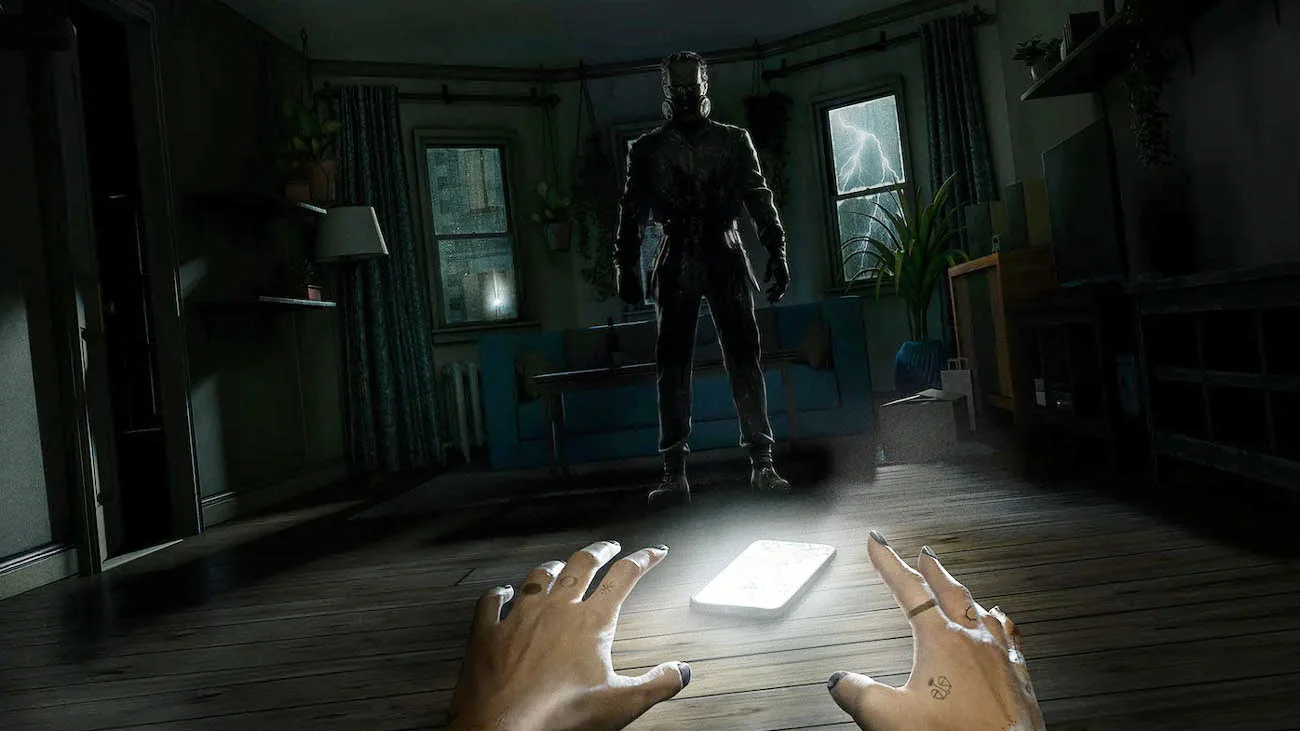
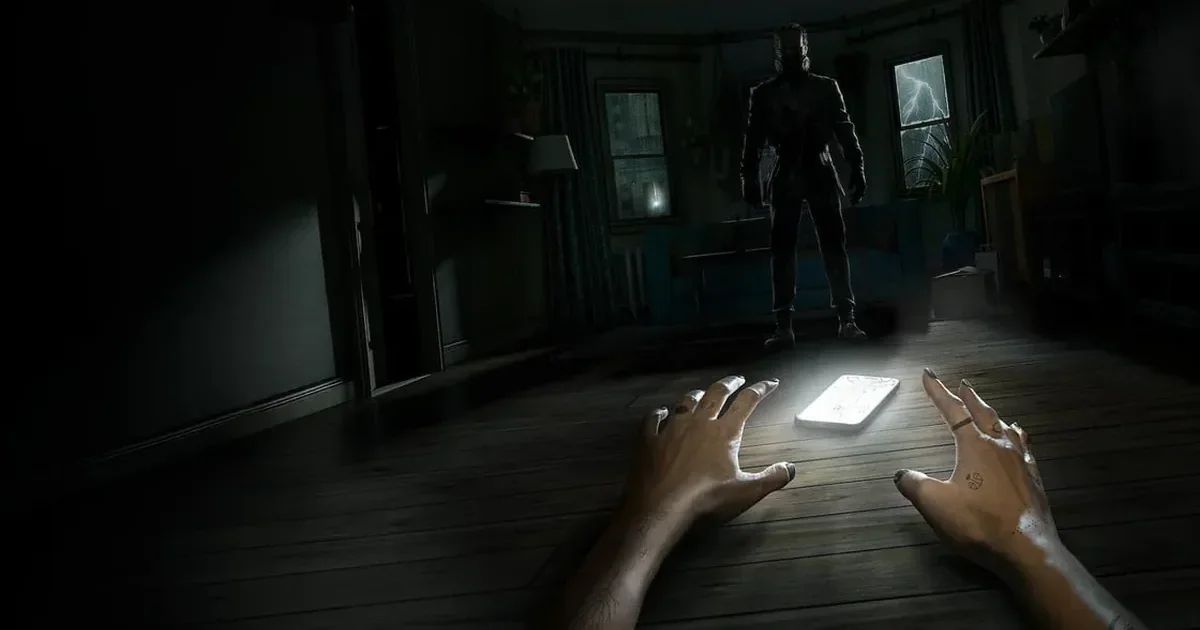
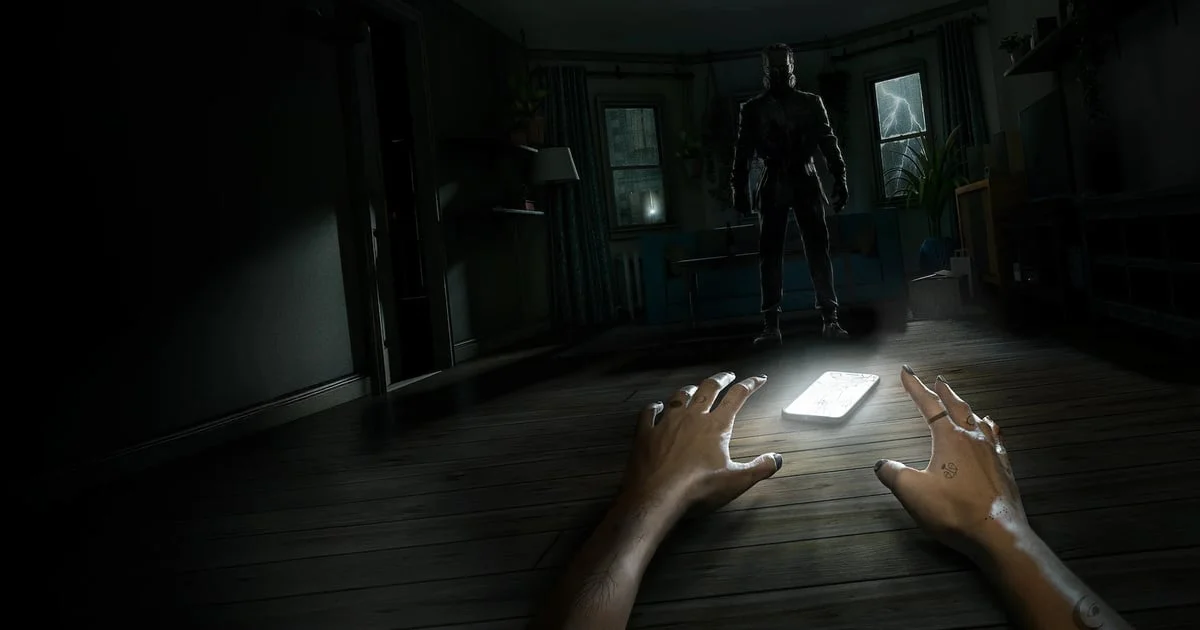
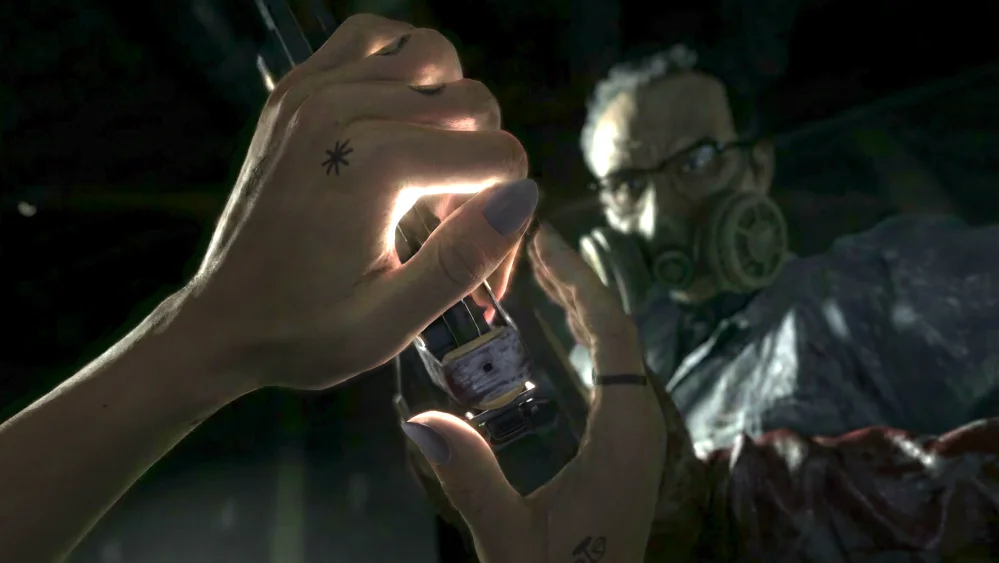
Netflix is testing cloud gaming on TVs via a phone-controlled, episodic horror title called Unhinged from Night School Studio. Players join by scanning a TV QR code and use their smartphone as both the input device and a connection to in‑game characters, with the experience designed to be latency‑tolerant since streaming won’t match console precision. Built in Unity as a short, 40‑minute, one‑session adventure, the game signals Netflix’s broader ambitions in cloud gaming while highlighting the real constraints of streaming across varied networks.
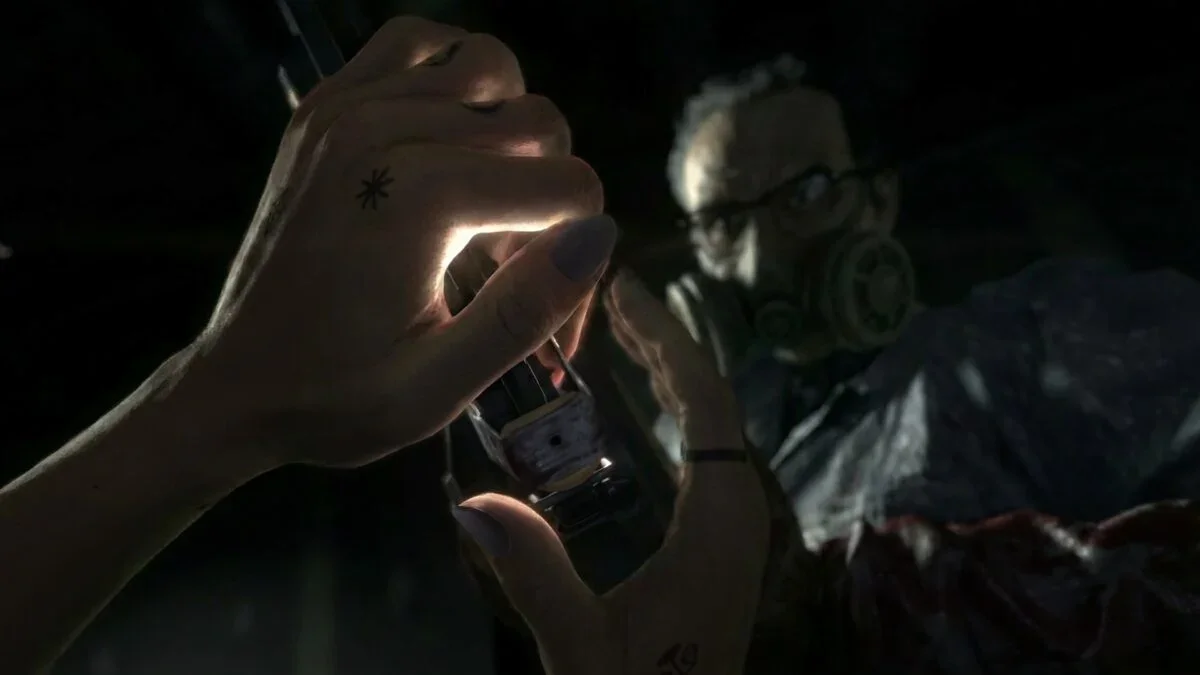
Netflix unveils Unhinged, an immersive horror game that plays like a show, launching June 30. The Night School Studio title stars Zoë Kravitz and Sadie Sink, with Troy Baker, and uses a QR-triggered phone setup that makes real-world audio and flashlight interactions part of the experience; it also offers Story Mode (no death) and Standard Mode for a timed, reflex-driven playthrough.
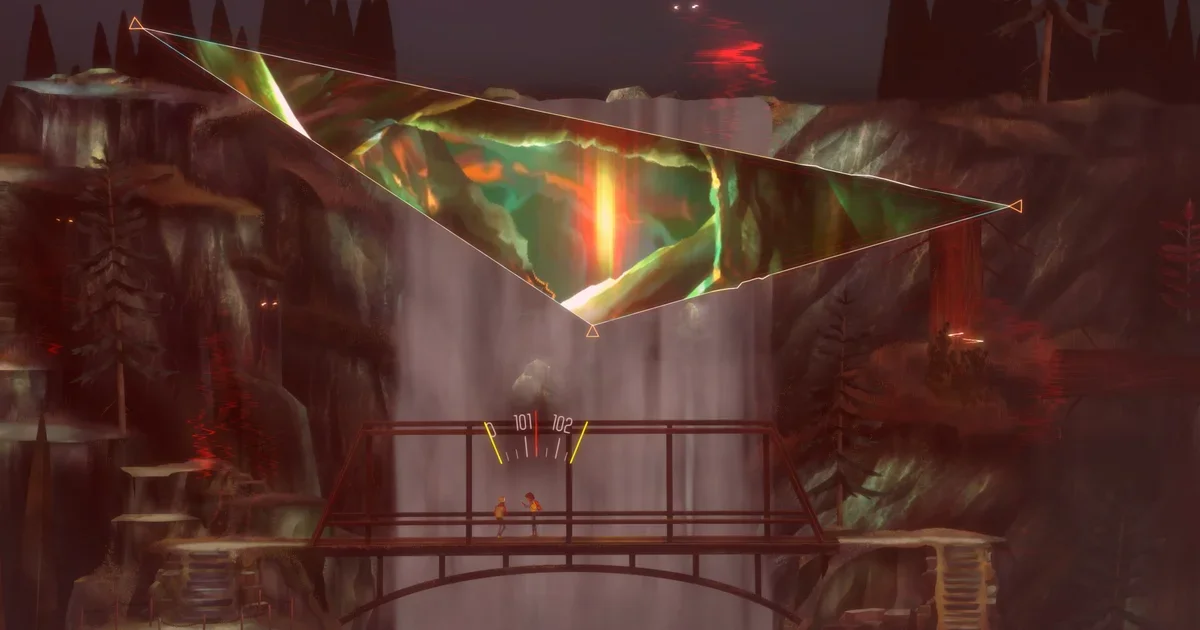
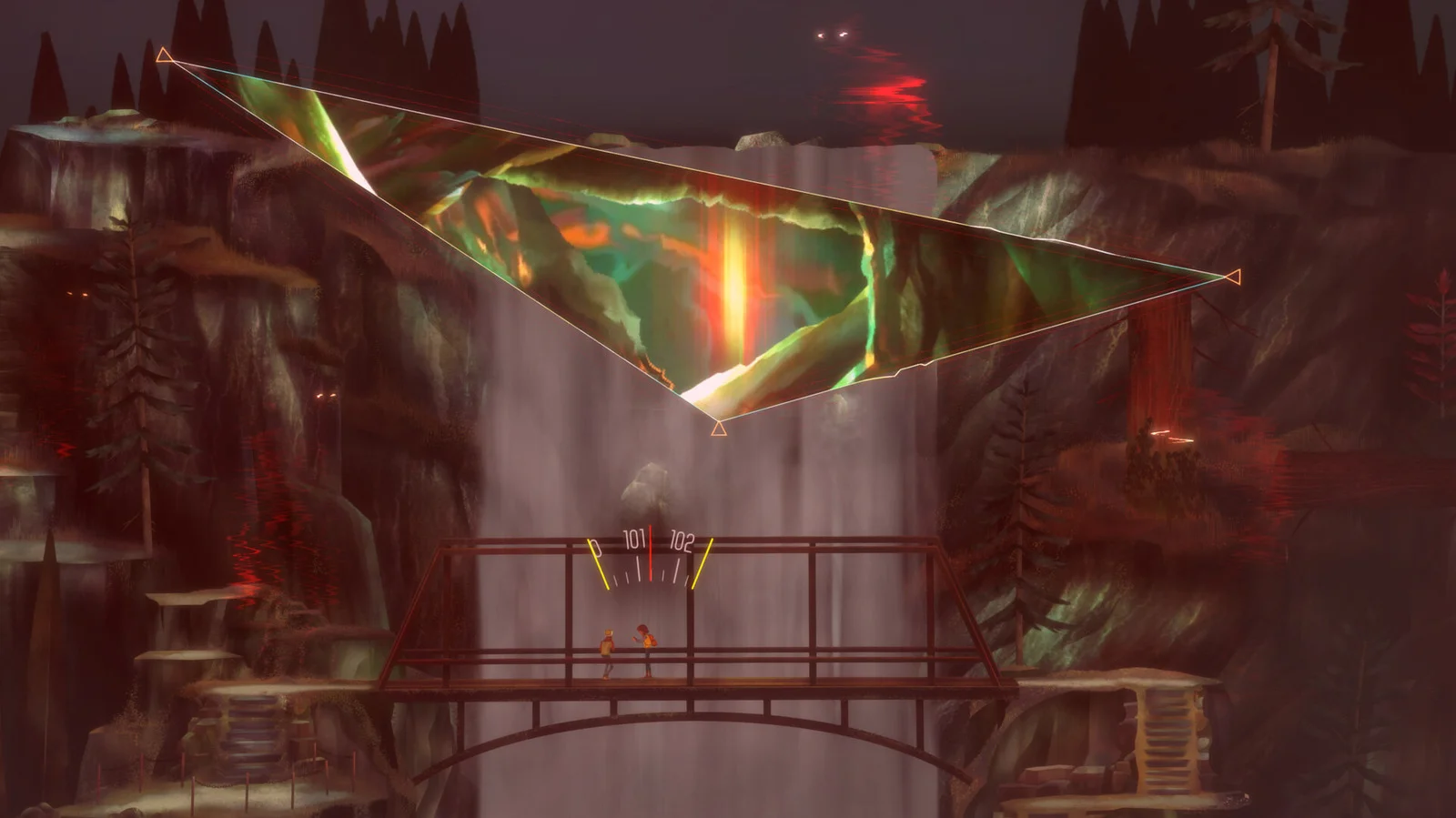
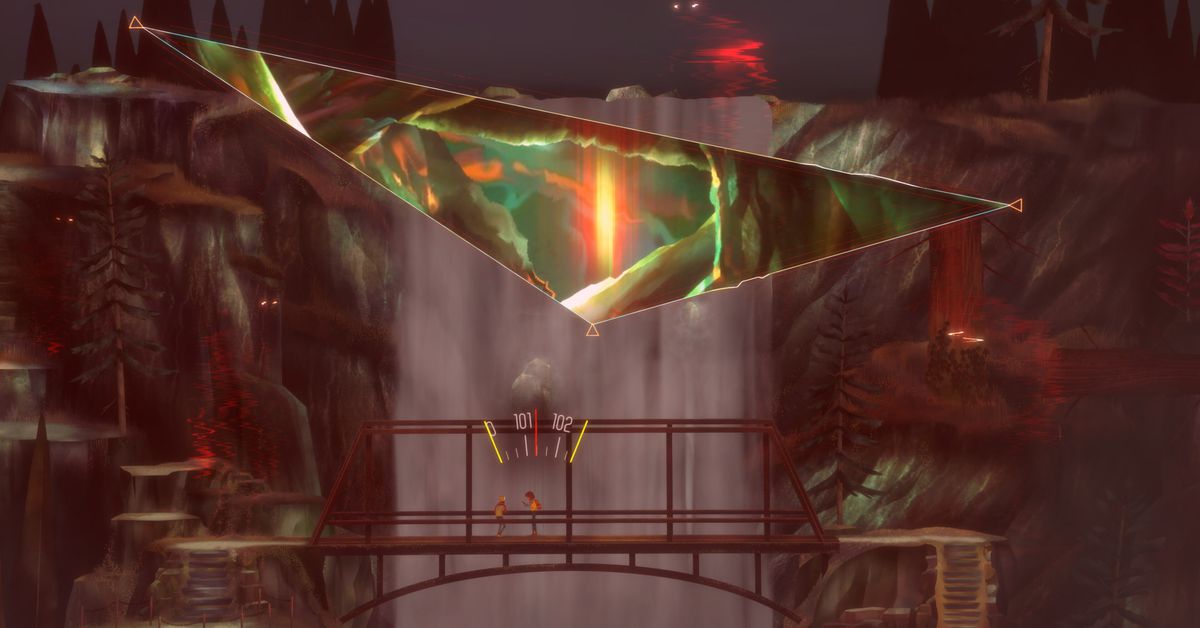
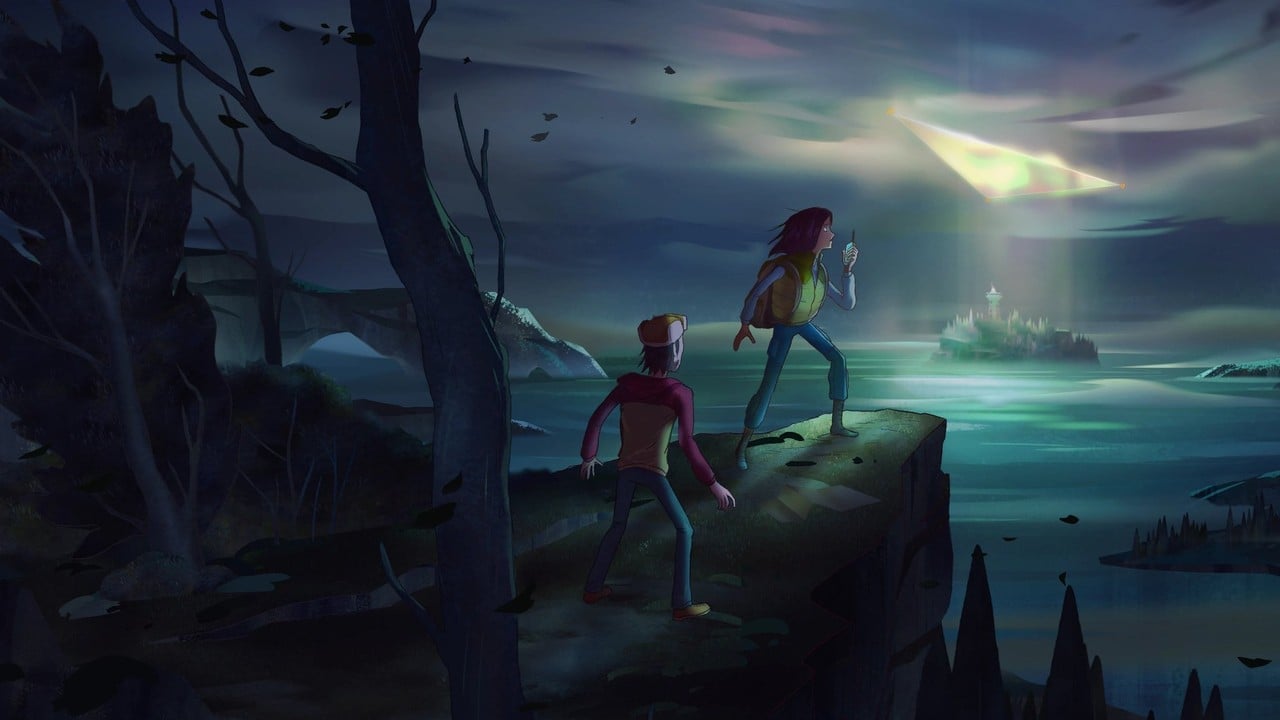
Oxenfree II: Lost Signals, the sequel to the original Oxenfree game, is a spooky and captivating adventure that stands on its own while building on the original in smart ways. Set in a small town, players take on the role of Riley, who must deal with supernatural forces and place transmitters across the town to seal a hole in the sky. The gameplay involves exploring, talking, and solving puzzles using a radio tuner and exploring rifts in time. With its charming dialogue, creepy atmosphere, and satisfying gameplay, Oxenfree II is not only a great game but also showcases Netflix's potential in the gaming industry.
Oxenfree II: Lost Signals is a solid sequel that stays true to the formula of the first game. With a new cast and location, the narrative and characters carry the game, allowing players to shape the story through dialogue choices. The gameplay includes light puzzles and exploration, with the walkie-talkie and radio mechanics returning. The upgraded dialogue system and visuals enhance the experience, although frequent load screens can be annoying. Overall, Night School Studio has created a worthy follow-up that both fans and newcomers can enjoy.
Oxenfree 2: Lost Signals, the sequel to the popular indie game Oxenfree, builds upon the atmospheric and supernatural elements of its predecessor but falls short in delivering a compelling story and captivating main characters. While the game features time travel and branching narratives, the connection between the two main characters feels forced, and the mysteries often fall flat. The game's nonlinear world and branching dialogue system may contribute to the uneven pacing and lack of engagement. However, the ancillary character of Maria, a high school radio host, shines and adds depth to the story. Overall, Oxenfree 2 has the right pieces but fails to live up to the innovative experience of the original game.