
Nostalgia Drives Ocarina of Time Remake Amidst Industry Debate
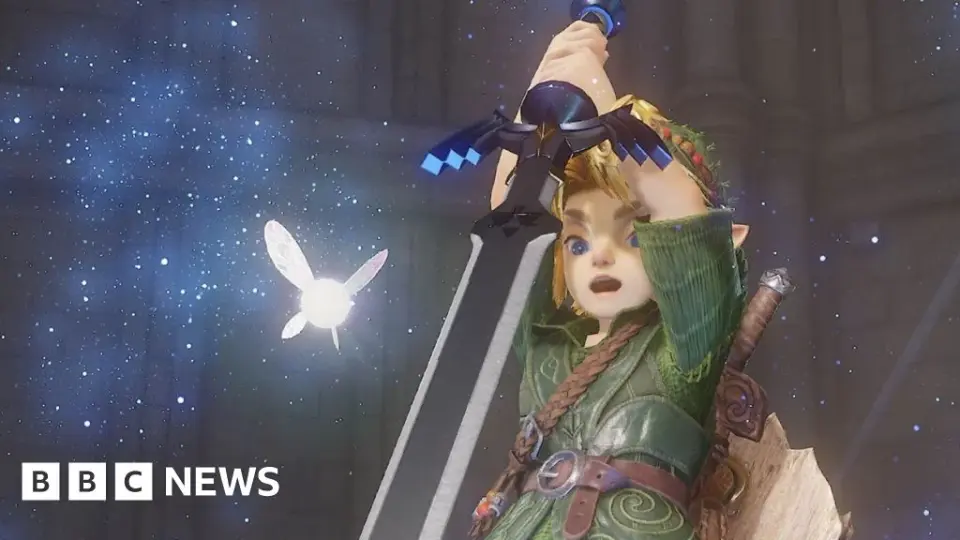
The upcoming remake of The Legend of Zelda: Ocarina of Time for the Nintendo Switch 2 highlights how nostalgia serves as a primary driver for video game remakes. While the strategy allows companies to leverage established audiences and reduce development costs, it creates tension between preserving original experiences and meeting modern standards. Experts note that while remakes like Final Fantasy VII and Resident Evil 4 have succeeded, they risk alienating fans if they fail to balance creative innovation with faithful reproduction.
Key points
- The Legend of Zelda: Ocarina of Time remake is scheduled for release on the Nintendo Switch 2 later this year, leveraging the original 1998 title's status as one of the greatest games ever made.
- Industry analysts describe remakes as a cost-effective strategy, allowing companies to update existing content rather than developing new titles from scratch, which is particularly appealing to new generations of gamers.
- Psychologist Tim Wulf explains that video games trigger nostalgia by allowing players to re-enter familiar environments, acting as emotional time machines that reinforce social bonds and self-esteem.
- Critics warn that remakes are a double-edged sword; if they fail to meet high expectations or do not justify the graphical improvements, fans may react negatively, as seen with debates over definitive versions of titles like Nier Replicant.
- Developers must balance creative freedom with fan expectations, as seen with the 2020 Final Fantasy VII remake, which allowed older players to share experiences with younger audiences while maintaining modern standards.
Background
This discussion follows recent industry trends where nostalgia-driven collaborations and remakes have sparked debate over brand integrity. For instance, Epic Games' Kingdom Hearts crossover in Fortnite earlier this year highlighted tensions between commercial expansion and character consistency. Additionally, the Ocarina of Time remake has seen recent technical updates, including a reduction in file size to 24.54GB ahead of its November 5, 2026 launch, and discounted physical pre-orders. The broader gaming landscape also includes the addition of Final Fantasy VII Remake Intergrade to Xbox Game Pass, further illustrating the industry's reliance on revisiting classic titles to engage both legacy and new audiences.
Why it matters
The success of video game remakes depends on navigating the delicate balance between nostalgic appeal and modern innovation. As hardware capabilities improve, the value of remakes may shift from graphical upgrades to editorial reinterpretations or added content. Understanding this dynamic is crucial for developers aiming to sustain engagement across generations while avoiding backlash from protective fan bases.
What to watch
Developers are expected to continue leveraging remakes to connect new audiences with classic titles, potentially shifting focus from graphical fidelity to creative reinterpretations and additional content. The industry will likely monitor how these strategies affect fan reception and long-term engagement, particularly as the gap between original and remade versions narrows in terms of visual quality.
Want the full story? Read the original reporting
Read on BBC