
Saber Interactive Denies AI Writer Replacement in Rideshare 'Stimulator' Dispute
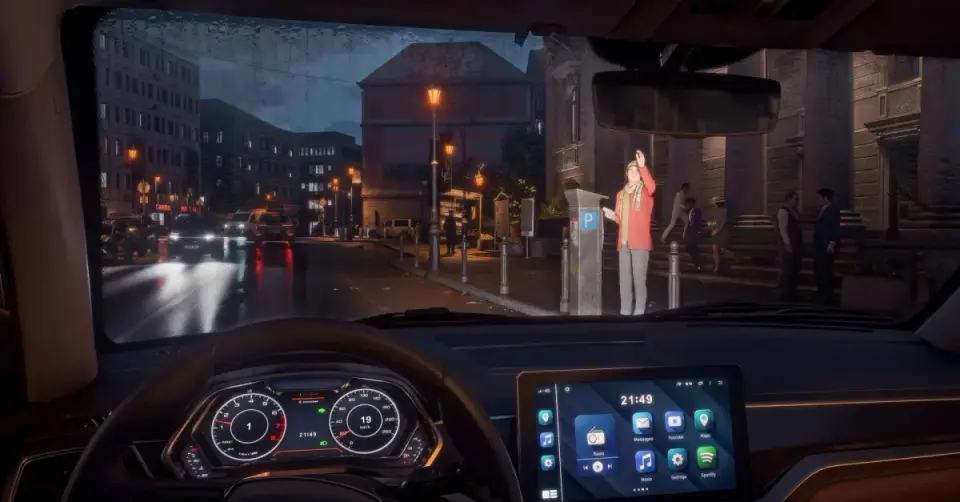
Saber Interactive CEO Matthew Karch denied replacing lead writer Stella Sacco with ChatGPT for the upcoming game Rideshare 'Stimulator.' Sacco claims she was replaced midway through development in December 2023, with AI also generating passenger voices. Karch argues AI is only used for an experimental 'free-ride' mode with infinite passengers, while Sacco insists the studio is being dishonest about its AI usage.
Key points
- Saber Interactive CEO Matthew Karch stated that neither Saber nor its parent company Unigine replaced any writers with AI for Rideshare 'Stimulator.'
- Former lead writer Stella Sacco claims she was replaced by ChatGPT midway through development in December 2023, and that all passenger voices were AI-generated.
- Karch explained that AI is used for an experimental 'free-ride' mode because the number of passengers is infinite, and emphasized that Saber continues to hire despite industry contraction.
- Sacco criticized Karch's statement as contradictory, arguing that using AI for some content while claiming writers wrote the story is dishonest.
- The game's Steam listing does not currently disclose the use of generative AI, which Sacco noted as a potential issue.
Background
Rideshare 'Stimulator' was announced last month as an immersive driving simulation where players act as rideshare business owners. The game features quirky passengers with unique stories, and its teaser trailer includes AI-generated writing and audio for simulated riders. In August 2026, the game's trailer also included a Texas license plate gag mocking Gearbox CEO Randy Pitchford and Borderlands 4, which Saber's Matt Karch said was payback for Pitchford's past shots at Embracer.
How outlets are covering it
The Verge and PC Gamer report that Saber Interactive CEO Matthew Karch denied replacing writers with AI, stating that AI is only used for an experimental 'free-ride' mode with infinite passengers. Notebookcheck and TwistedVoxel highlight former lead writer Stella Sacco's claims that she was replaced by ChatGPT midway through development in December 2023, and that all passenger voices were AI-generated. Sacco criticized Karch's statement as contradictory, arguing that using AI for some content while claiming writers wrote the story is dishonest. The Verge notes that the game's Steam listing does not currently disclose the use of generative AI, which Sacco noted as a potential issue. PC Gamer emphasizes Karch's claim that Saber continues to hire despite industry contraction, while Sacco insists the studio is being dishonest about its AI usage.
Why it matters
This dispute highlights ongoing tensions in the gaming industry regarding the use of AI in game development and the transparency of such usage. It raises questions about labor practices, the role of AI in creative processes, and the disclosure of AI-generated content in games. The case also touches on broader industry trends, such as the contraction of the gaming industry and the continued hiring by some studios despite these challenges.
What to watch
The game's release date is not yet announced, but it is scheduled to launch sometime this year. The dispute may lead to further scrutiny of Saber Interactive's use of AI in game development and the transparency of its AI usage. The game's Steam listing may be updated to disclose the use of generative AI, as required by Valve's policies.
- Saber denies replacing Rideshare Stimulator’s writers with ChatGPT The Verge
- Rideshare Stimulator lead writer replaced with ChatGPT, so was another core component notebookcheck.net
- Saber Interactive denies replacing writer with ChatGPT on its new driving game, but says it will use AI for dialog 'as the number of passengers in the game is infinite' PC Gamer
- Saber Interactive Reportedly Replaced Lead Writer With ChatGPT During The Development Of Rideshare "Stimulator" TwistedVoxel
- Writer alleges that Saber Interactive replaced her with ChatGP on Rideshare “Stimulator” TheSixthAxis
Want the full story? Read the original reporting
Read on The Verge