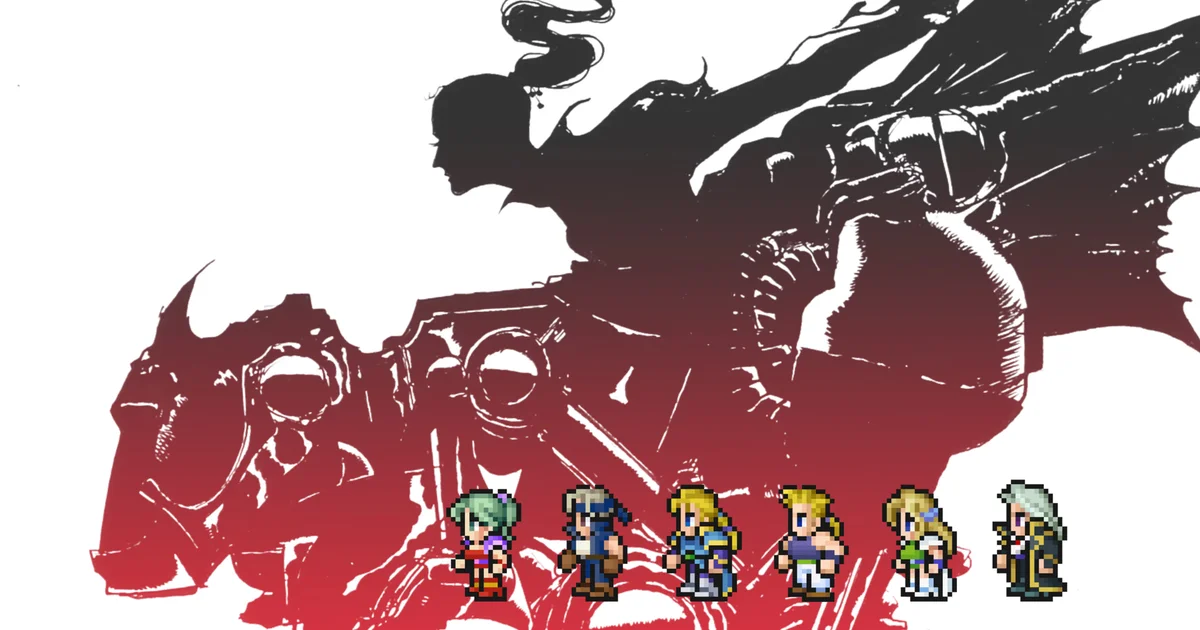
Final Fantasy VI creator Hironobu Sakaguchi praised an AI-generated teaser for a hypothetical FF6 remake, posting that it was amazing, but SaGa creator Akitoshi Kawazu immediately urged him to stop at the first line, highlighting the current debate over AI’s role in game development and remakes.
Take-Two CEO Strauss Zelnick says GTA 6 could be one of the most expensive games and the company is exploring AI to boost development efficiency and potentially reduce costs, though AI-driven savings aren’t proven yet. The goal is to avoid compromising quality as costs rise, with GTA 6 set to launch November 19 for PS5 and Xbox Series X|S and no PC release on day one.
Kotaku reports that MindsEye co-CEOs, with ElevenLabs, vibe-coded an in-game AI voice assistant called Arcadia Voice; the feature, essentially a voice-control and content-creation tool, drew sharp backlash from MindsEye’s Discord community, prompting BARB’s Will Jones to defend it as a supplement to human developers rather than a replacement.
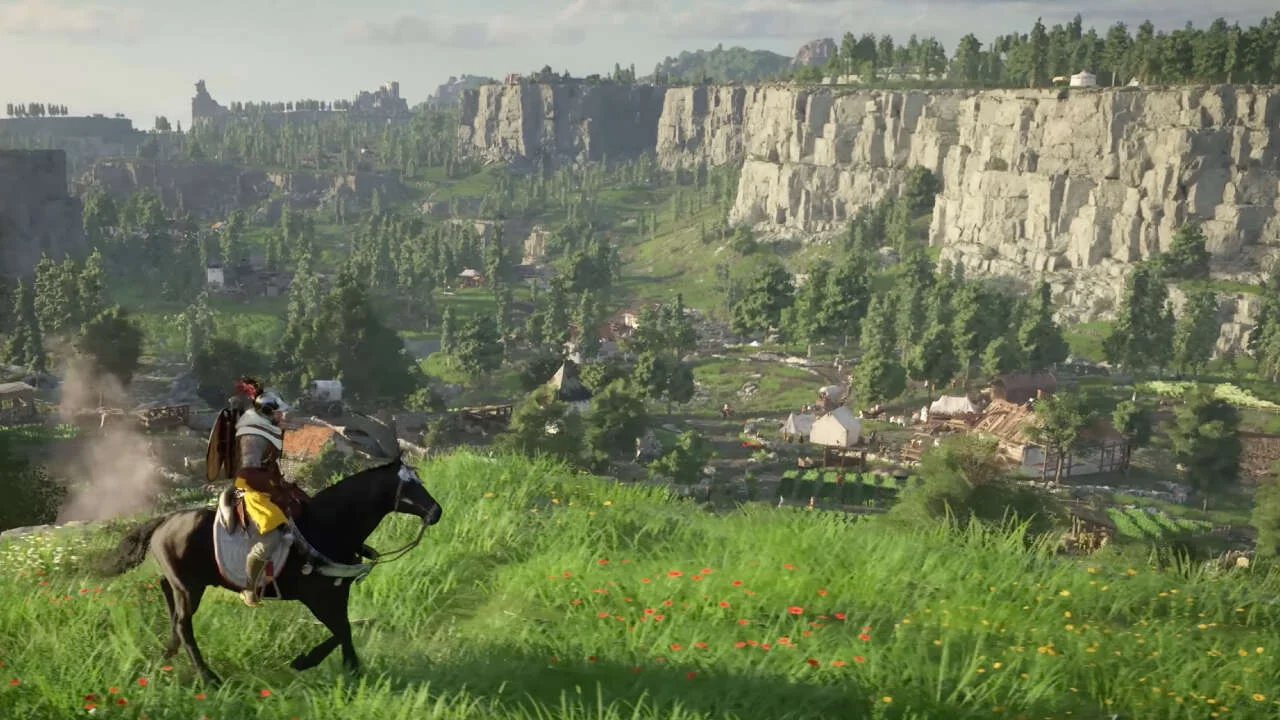
An opinion piece argues Crimson Desert's undisclosed use of AI-generated placeholder art reveals a larger industry trend: studios increasingly rely on generative AI to cut costs, prompting ethical concerns among players, critics, and awards bodies and urging greater transparency.
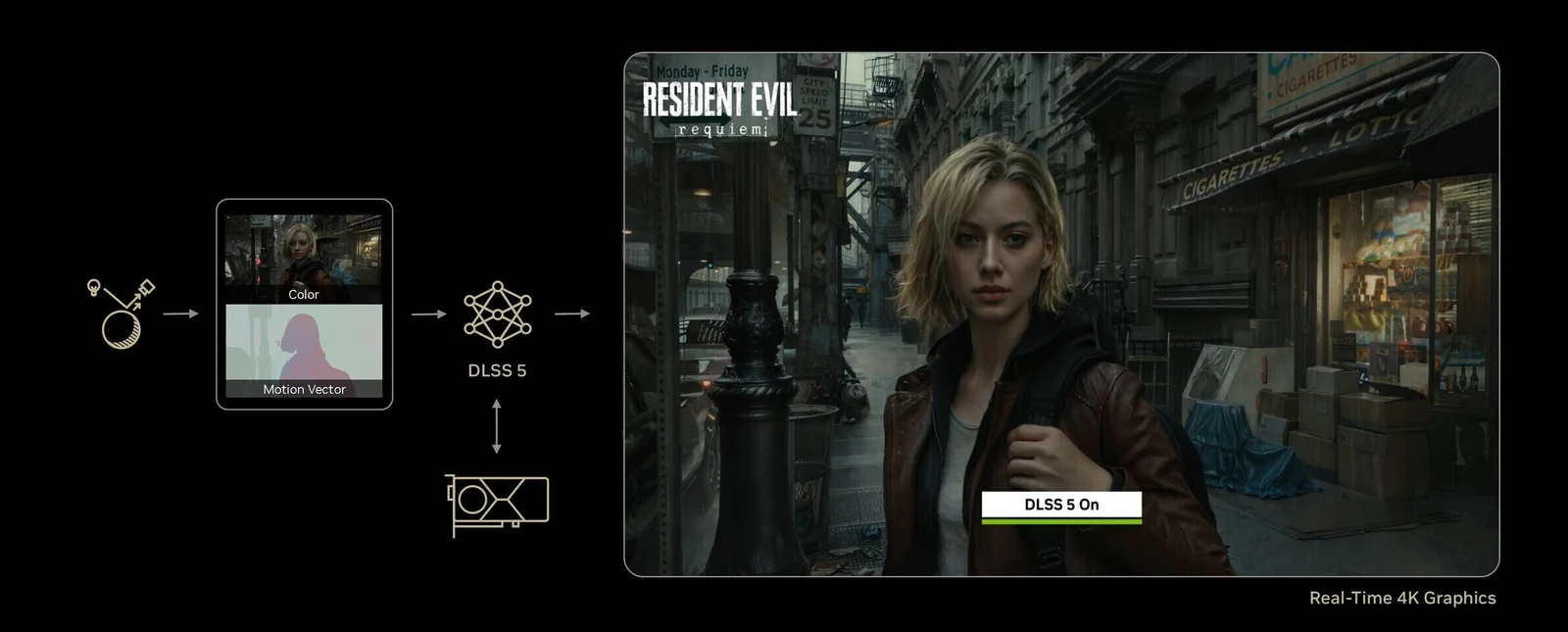
Insider Gaming reports Capcom and Ubisoft developers were as surprised as the public by NVIDIA's DLSS 5 rollout, with Ubisoft staff saying they learned about the tech alongside players and Capcom voicing concern over how AI features could affect development and IP; NVIDIA argues studios helped shape the promotional imagery and will retain control over generated assets, but the accounts highlight tension over studio involvement in the DLSS 5 rollout.
NVIDIA unveiled DLSS 5 at its GTC event, calling it the company’s most significant graphics breakthrough since real-time ray tracing, and said it will bring real-time AI-assisted rendering to video games.
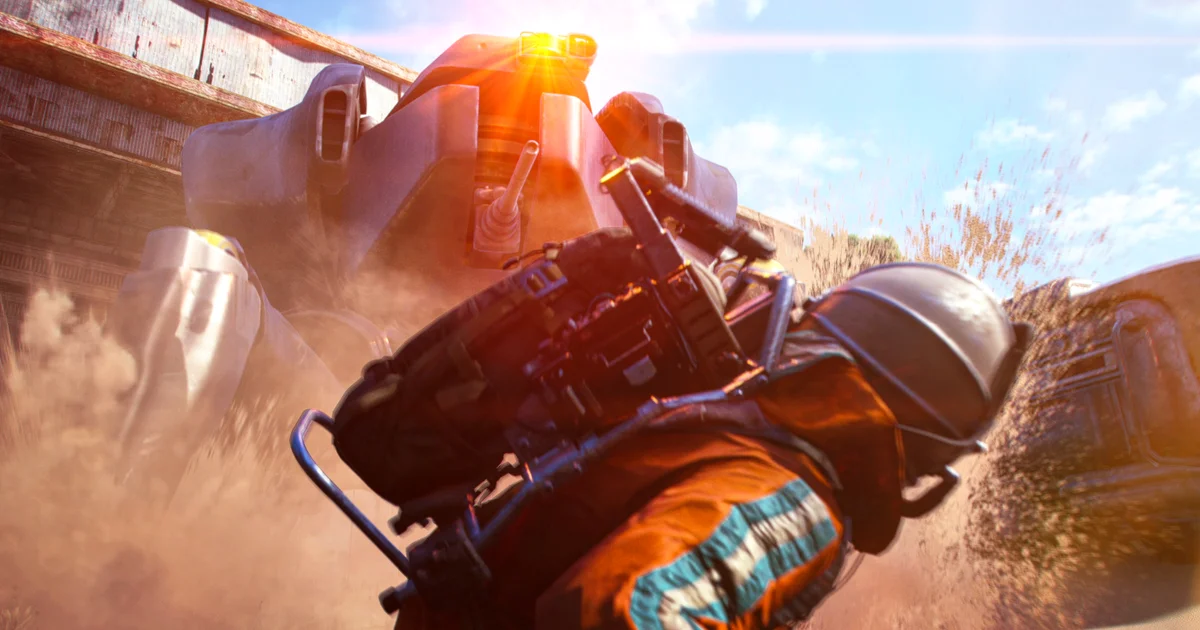
Embark Studios CEO Patrick Söderlund argues that AAA-quality results can be achieved with far fewer people and a smaller budget by modernizing pipelines, using photogrammetry and procedural generation, and treating AI as a production tool rather than a replacement for actors; Arc Raiders is positioned to make a niche extraction shooter more accessible, with plans for multiple titles without a dramatic headcount increase.
Peter Moore discusses Microsoft’s surprise appointment of Asha Sharma as Xbox CEO and argues that outsider leaders can succeed if they listen to gamers, focus on authentic leadership, and navigate AI thoughtfully; he draws on his Sega/EA experiences to highlight the importance of balancing innovation with Xbox’s soul, while noting growth vectors in Minecraft, user-generated content, and cross-platform strategy.
Microsoft named Asha Sharma, formerly head of CoreAI, as the new CEO of Microsoft Gaming to succeed Phil Spencer. Sharma frames her priorities around delivering “great games,” reviving Xbox, and shaping the future of play, saying games should have deep emotional resonance and a distinct point of view while committing to listening to the community. With a strong AI background, she asserts “no tolerance for bad AI,” but acknowledges AI’s ongoing role as a growth engine, stressing that great stories are still created by humans. Her platform-building approach aims for consistency and trust as she steers the division through industry transformation, ahead of major announcements at GDC and Xbox’s upcoming showcases.
Google’s Project Genie, a generative AI tool for creating interactive game worlds, has sparked optimism about faster content creation but failed to calm investors, with gaming stocks like Take-Two, Roblox, and Unity slipping after Genie’s late‑January debut. Analysts say Genie currently produces short, simple, 1‑minute experiences and isn’t a replacement for traditional engines, amid concerns about memory costs and IP/privacy issues. Developers are unveiling their own AI tools to stay competitive, but the industry remains wary of a disruptive AI shift and the possibility of increased IP risk and market volatility.
Grasshopper Manufacture’s Goichi Suda (Suda51) says Romeo is a Dead Man will not use AI in development, arguing that AI-generated images and videos feel off and that the human craft and studio talent give games their heart. He suggests AI’s wider adoption will hinge on player demand and copyright considerations, and notes that a past Netease AI division was shut down, implying cautious reception to the tech in game development.
Google DeepMind’s Project Genie is an experimental tool that generates explorable, AI-driven worlds from text and visuals, rendering in real time as you move with restricted 60‑second play sessions at about 720p/24fps. Early demos have produced Mario- and Zelda‑style environments, but it isn’t a full game engine and IP restrictions are emerging. Currently limited to US Google AI Ultra subscribers, the tech raises intriguing questions about AI-assisted world-building versus true game development.
Stellar Blade director Hyung-tae Kim says AI is an essential tool for South Korea to compete globally against China and the US, as the country shifts from MMO-focused trends to AAA projects; he argues AI can boost productivity—potentially letting one person do the work of 100—though the broader job impact and the outcomes of widespread AI adoption remain debated.
Hooded Horse, a game publisher, has refused to work with developers using generative AI, considering it 'cancerous' and a source of complications in game development, emphasizing their contracts prohibit AI-generated assets to prevent issues like unintentional inclusion of placeholder content. The industry is divided on AI's role, with some companies adopting it for efficiency, while others criticize its impact on creativity and quality, and legal frameworks are beginning to restrict AI-generated art without human input.
Arc Raiders' developer Embark defends the use of AI-based text-to-speech technology, emphasizing its role in improving game development efficiency and quality without replacing human jobs, amidst ongoing industry discussions about AI's impact on employment and creative processes.