
Nintendo Expands Switch 2 Backward Compatibility and Unlocks Docked VRR for Zelda Remake
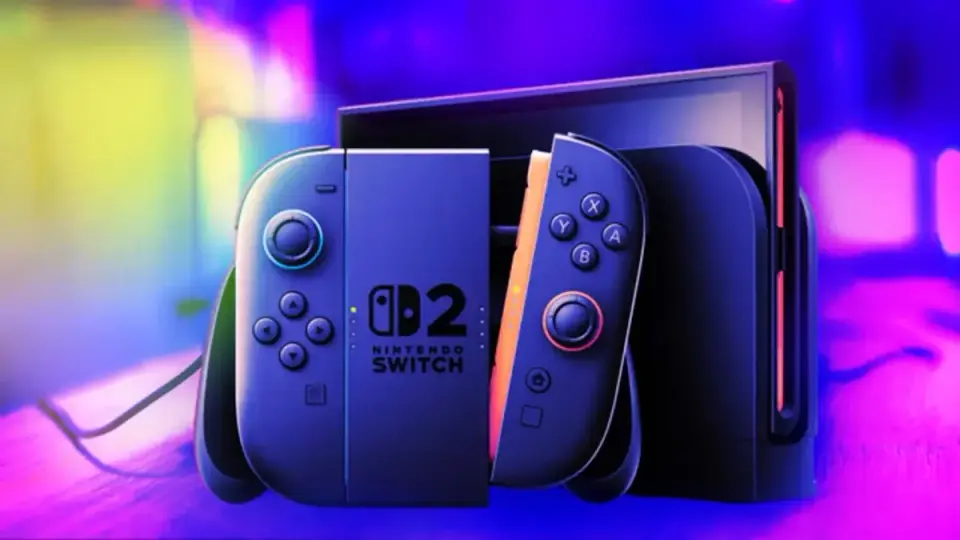
Nintendo has released a new batch of backward-compatibility fixes for original Switch titles on the Switch 2, resolving issues for games like Attack on Titan 2 and Go Vacation. Simultaneously, the company confirmed that the upcoming Zelda Ocarina of Time Remake will support Variable Refresh Rate (VRR) in docked mode, a feature recently added to the console via a system update. While most third-party titles now run correctly, several games remain unsupported, and the Zelda remake’s performance remains unconfirmed despite early footage suggesting 60 FPS.
Key points
- A September 2026 update resolved compatibility issues for 23 third-party titles, including Attack on Titan 2, Go Vacation, and Ninja Five-O.
- Six titles, including Rain World and Slay the Princess: The Pristine Cut, remain unsupported on the Switch 2 as of this update.
- The Legend of Zelda: Ocarina of Time Remake, launching November 5, 2026, will feature HDR, unlocked frame rates, and docked VRR support.
- Nintendo recently enabled docked VRR via a system update, allowing the console to synchronize with compatible TVs to reduce screen tearing.
- Digital Foundry analyzed gameplay footage of the Zelda remake and determined it ran at 60 FPS, though Nintendo has not officially confirmed this frame rate for the final release.
Background
This development follows a series of firmware updates and patches aimed at improving the Switch 2’s library. In August 2026, Square Enix released a patch for Final Fantasy XIV that improved load times and fixed various glitches on the new console. Earlier in September, Nintendo issued another batch of compatibility fixes tied to firmware 23.0.0. These efforts align with broader industry trends, such as Microsoft’s recent disc-to-digital feature, which aims to enhance game preservation and backward compatibility across platforms.
How outlets are covering it
My Nintendo News focuses on the technical resolution of third-party game issues, highlighting the specific titles fixed and those still unsupported. VICE emphasizes the hardware capabilities of the Switch 2, specifically the introduction of docked VRR and its impact on the visual experience of the Zelda remake. While My Nintendo News notes the ongoing struggle to get all games working, VICE frames the VRR addition as a significant performance enhancement that benefits high-profile titles. Both sources agree that Nintendo is actively improving the Switch 2’s ecosystem, but they differ in emphasis: one on library completeness, the other on display technology and flagship titles.
Why it matters
The expansion of backward compatibility ensures that the Switch 2 can serve as a unified platform for both new and legacy titles, reducing the need for consumers to maintain two separate libraries. The addition of docked VRR addresses a previous limitation of the console, potentially improving the experience for players with high-refresh-rate TVs. For the Zelda remake, these features suggest a focus on visual fidelity and smooth performance, which may influence consumer expectations for the game’s launch. However, the continued presence of unsupported titles indicates that full compatibility remains a work in progress, requiring ongoing collaboration between Nintendo and third-party developers.
What to watch
Nintendo is expected to release further backward-compatibility fixes in upcoming firmware updates to address the remaining unsupported titles. The Legend of Zelda: Ocarina of Time Remake will launch on November 5, 2026, with its final performance metrics, including frame rate consistency, to be confirmed upon release. As more games are tested, the list of supported and unsupported titles will likely evolve, with developers working to resolve any remaining issues. The success of docked VRR in the Zelda remake may also influence how other developers optimize their games for the Switch 2’s display capabilities.
Want the full story? Read the original reporting
Read on My Nintendo News