
Why Nintendo's GameCube Used Tiny, Proprietary Discs Instead of Standard DVDs
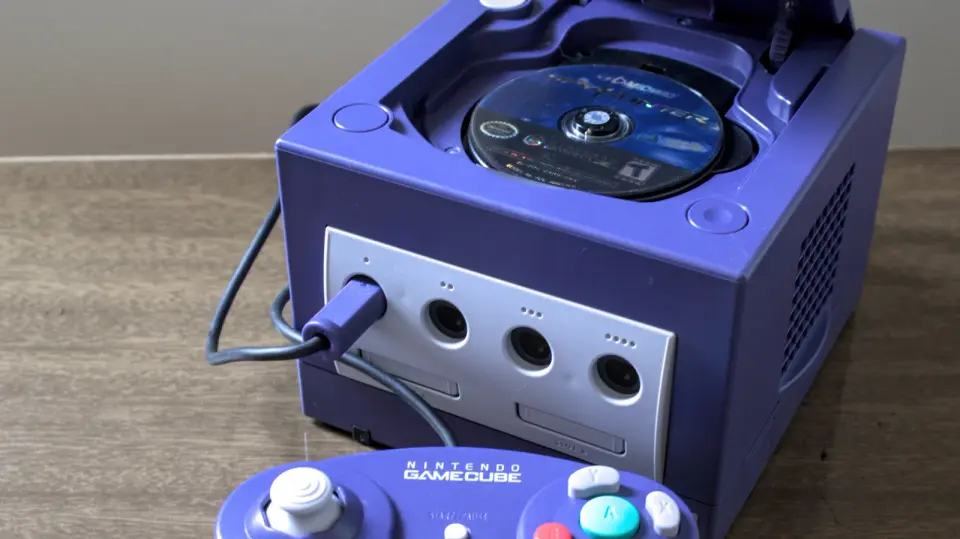
Nintendo chose proprietary mini-discs for the GameCube to reduce costs, prevent piracy, and enable faster loading, though this decision likely hindered sales by excluding DVD playback and third-party support.
Key points
- GameCube discs measured 3.15 inches, significantly smaller than the 4.17-inch standard DVDs used by competitors.
- The proprietary format prevented piracy as standard PC burners could not read the discs in the early 2000s.
- Smaller discs allowed for a compact console design, weighing only 5.7 pounds compared to the Xbox's 8.8 pounds.
- The decision avoided $20 per unit in DVD licensing fees, contributing to a lower $200 launch price.
- Lack of DVD playback and third-party titles like Grand Theft Auto likely contributed to lower sales compared to the PS2 and Xbox.
Background
Recent archive entries highlight the enduring popularity of GameCube titles, with Super Mario Sunshine recently added to Switch 2's online service. The scarcity of original hardware and games has driven prices upward, with some titles reaching $200, reflecting the console's cult status despite its lower initial sales figures.
Why it matters
The GameCube's unique disc format illustrates how hardware design choices can impact market performance. While the proprietary discs offered technical advantages like speed and anti-piracy, the exclusion of DVD functionality and major third-party support likely contributed to the console's lower sales compared to its competitors, shaping Nintendo's future strategies for hybrid media consoles.
What to watch
The continued release of GameCube classics on modern platforms, such as the upcoming addition of Super Mario Sunshine to Switch 2, suggests sustained interest in the console's library. However, no new hardware or disc format developments are anticipated, as the focus remains on digital preservation and emulation of these legacy titles.
Want the full story? Read the original reporting
Read on Engadget