
Valve’s 12TB Steam2 Archive Leak Exposes Decades of Unreleased Game Assets
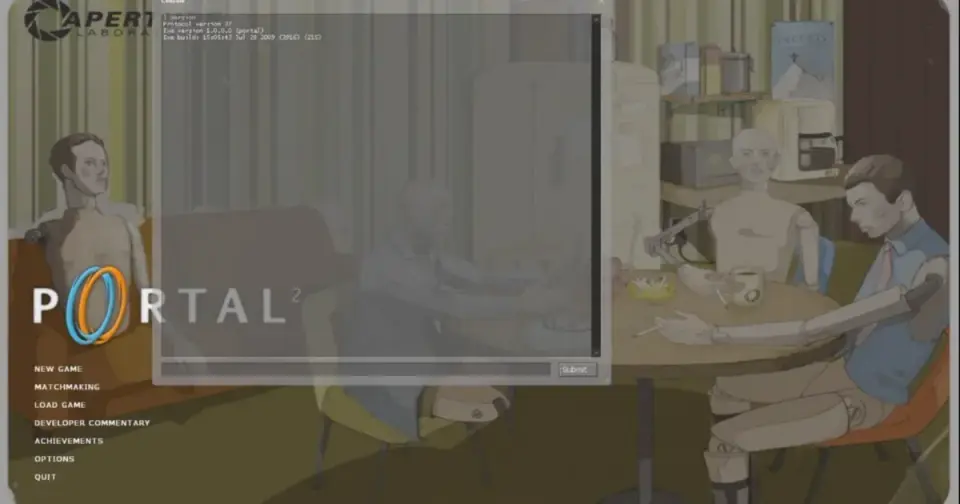
A 12TB archive of Valve’s legacy Steam2 infrastructure has leaked online, revealing unreleased development builds from 2003 to 2013. The data includes early versions of Portal 2, Left 4 Dead, and Counter-Strike: Global Offensive, alongside assets for the cancelled Portal prequel F-Stop. Notably, the leak contains a 'Weaponizer' model previously associated with the cancelled Half-Life 2: Episode Three. The exposure resulted from a misconfigured public endpoint rather than a cyberattack.
Key points
- The leak, first identified by data miner Gabe Follower, contains approximately 12TB of files from Valve’s discontinued Steam2 content-delivery system.
- The archive includes a July 2009 beta build of Portal 2, featuring unused sequences and placeholder assets, as well as a fully playable June 2008 build of Left 4 Dead.
- Files for the cancelled Portal prequel F-Stop were recovered, revealing a mechanic where players used a mechanical camera to store and resize objects.
- A 'Weaponizer' model, long rumored to be a concept for Half-Life 2: Episode Three, was found within the Portal 2 files, though it may have been repurposed as a placeholder.
- The leak also includes early Counter-Strike: Global Offensive prototypes and beta builds for third-party titles such as Sonic 4 Episode II and Fallout: New Vegas.
Background
This incident follows a separate breach earlier in 2026 involving Valve’s European shipping partner, CEVA Logistics, which exposed customer personal data. In contrast, this leak involves internal development assets from Valve’s legacy infrastructure, which was phased out in favor of SteamPipe around 2013. While Valve has not commented on the leak, the company has previously confirmed that a new Half-Life project, codenamed HLX, is in development, distinct from the long-cancelled Episode Three.
How outlets are covering it
Eurogamer emphasizes the significance of the 'Weaponizer' model as potential evidence for Episode Three, while noting it may simply be a placeholder. TechPowerUp highlights that the leak was not a hack but a result of a publicly accessible endpoint that Valve failed to take offline. Notebookcheck focuses on the breadth of the leak, noting it includes third-party titles and detailed mechanics for F-Stop, whereas Tom’s Hardware frames the event as a massive exposure of unreleased games spanning a decade.
Why it matters
The leak provides a rare, unfiltered look at the development history of iconic games, offering insights into scrapped mechanics and early prototypes. It also raises questions about the security of legacy infrastructure, as the exposure was due to a misconfiguration rather than a sophisticated cyberattack. For fans, it offers concrete visual evidence of long-rumored projects, while for the industry, it highlights the risks of retaining outdated, publicly accessible servers.
What to watch
The community is expected to spend days or weeks cataloging the 12TB of data, potentially uncovering more unreleased assets and prototypes. Valve has not yet commented on the leak, and it is unclear whether the company will take action to secure the endpoint or address the exposure of third-party game data.
- A massive Valve leak has surfaced online, and fans are already hunting for Half-Life 2: Episode Three clues Eurogamer.net
- Massive 12TB Steam leak reveals decades of unreleased games — archived files include unseen Half-Life 2: Episode 3 builds and assets Tom's Hardware
- 12 TB Valve Archive Leaks Online, Fans Dig Through Early Portal 2 and Half-Life Clues TechPowerUp
- Massive 12TB Valve leak just exposed a decade of gaming history and scrapped projects Notebookcheck
- Time to look for Half-Life 3 - Valve had a big build leak ixbt.games
Want the full story? Read the original reporting
Read on Eurogamer.net