
Sahara Solar Farms Could Trigger Global Climate Shifts, Study Warns
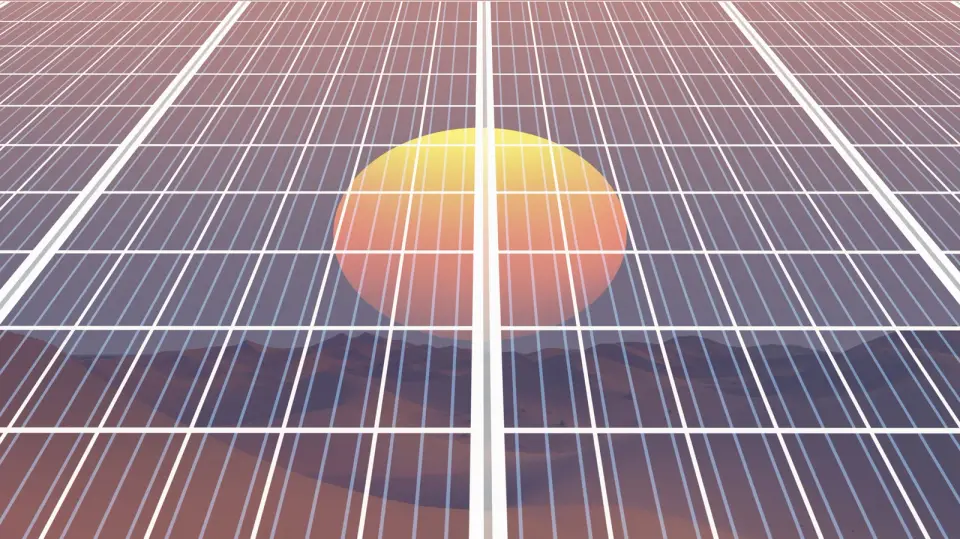
A 2020 study suggests that massive solar installations in the Sahara could alter global weather patterns. Darker panels absorb more heat than sand, potentially increasing local rainfall and shifting atmospheric circulation. This could lead to droughts in the Amazon and increased Arctic warming, highlighting unintended consequences of large-scale clean energy projects.
Key points
- Solar panels are darker than Sahara sand, absorbing more sunlight and altering heat exchange between land and atmosphere.
- Modeling suggests this warming could increase local rainfall and vegetation, similar to effects observed around solar farms in China.
- Changes in atmospheric circulation, specifically a northward shift of the Intertropical Convergence Zone, could cause droughts and forest degradation in the Amazon.
- The study projects potential increases in tropical cyclone activity and weaker El Niño Southern Oscillation patterns.
- Researchers emphasize that these are modeled outcomes for hypothetical 20% coverage scenarios, not certainties, and urge careful site selection.
Background
This topic follows recent discussions on solar technology, including a Harvard study on battery density for solar aircraft and SpaceX's delivery of solar arrays to the ISS. It also aligns with broader concerns about climate-driven impacts, such as the UK's record bluetongue outbreak linked to warming temperatures.
Why it matters
As nations pursue clean energy to reduce greenhouse gas emissions, this research highlights the complex, non-linear effects of altering large land surfaces. It underscores the need for comprehensive environmental assessments to avoid unintended global climate disruptions while transitioning to renewable power.
What to watch
Further research is required to determine the extent of climate impacts from large-scale solar deployments. Policymakers and engineers must prioritize efficient panel designs and careful site selection to mitigate potential adverse effects on global weather patterns.
Want the full story? Read the original reporting
Read on BGR