
Zelda Art Director Faces Backlash for AI Prototype Experiment
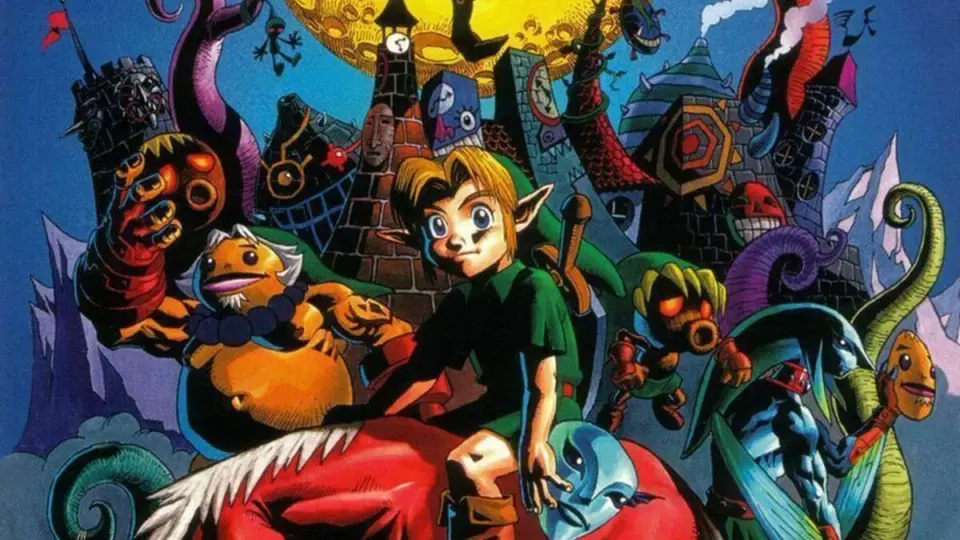
Takaya Imamura, the art director for The Legend of Zelda: Majora’s Mask, faced significant online criticism after sharing images of a 3D shooter prototype created using generative AI. While Imamura described the experiment as a way to brainstorm ideas without a programmer, many Japanese users on X condemned the move, citing concerns about data misappropriation and potential damage to Nintendo’s credibility. Imamura expressed surprise at the intensity of the backlash, clarifying that the prototype was not intended for release.
Key points
- Takaya Imamura, known for his work on Star Fox, F-Zero: Climax, Super Smash Bros. Brawl, and The Legend of Zelda: Majora’s Mask, posted images of an AI-assisted game prototype on X on September 12, 2026.
- Imamura stated he was 'testing out game development using AI' and found the process reminiscent of brainstorming with a programmer, calling it an 'amazing era.'
- The post triggered a wave of criticism, primarily from Japanese users on X, who argued that using AI at a time of intense global scrutiny and boycotts could harm Nintendo’s reputation, similar to issues faced by Level-5.
- Imamura responded by acknowledging the criticism but maintaining that AI is a tool he cannot ignore as a professional, especially since he is not a programmer and AI helps him turn ideas into working prototypes.
- Imamura later expressed surprise at the severity of the backlash, noting he never stated an intention to finish or release the AI-generated prototype as a commercial product.
Background
This incident occurs amid a broader industry debate regarding the use of generative AI in creative fields. Recent controversies, such as the backlash over AI-generated menu art in small businesses and simplified Hogwarts crests in the new Harry Potter series, have highlighted growing public resistance to AI in design and development. Additionally, the gaming industry has seen mixed reactions to AI tools, with some developers, like those at Shift Up, defending AI as a tool for high-quality games while facing fan complaints. The current event underscores the nuanced and often polarized responses to AI integration in game development, particularly within the Japanese gaming community.
Why it matters
The backlash against Takaya Imamura highlights the deepening divide in the gaming community over the use of generative AI. As a high-profile figure associated with iconic Nintendo titles, his experiment serves as a focal point for debates about the ethical and professional implications of AI in creative industries. The strong reaction from Japanese users, in particular, suggests that concerns about AI’s impact on artistic integrity and corporate credibility are not limited to Western audiences but are also significant in key gaming markets. This incident may influence how other developers and studios approach AI tools, potentially leading to more cautious or transparent practices in the industry.
What to watch
It is unclear whether Imamura will continue experimenting with AI for game development or if Nintendo will issue any official statements regarding the use of AI in its projects. The intensity of the backlash may prompt further discussions within the industry about the boundaries of AI use in creative processes. Additionally, the incident could influence public perception of AI in gaming, potentially affecting how future AI-assisted projects are received by fans and critics alike.
Want the full story? Read the original reporting
Read on Kotaku