
Vibration plates surge in popularity, but experts warn benefits are limited
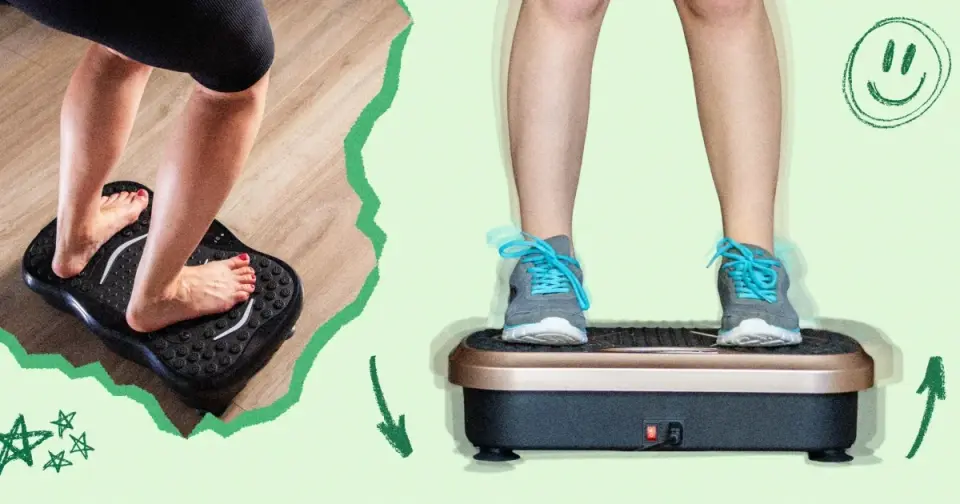
Vibration plates have returned as a viral fitness trend, with users claiming benefits for muscle tone, balance, and even digestion. However, medical experts caution that while the devices may offer minor benefits for balance and circulation, they are not a substitute for traditional exercise and lack robust scientific backing for claims like weight loss or bone density improvement.
Key points
- Vibration plates are experiencing a resurgence on social media, particularly among Gen Z users, with claims ranging from muscle toning to aiding digestion.
- Physical therapists and medical experts agree that while the devices can increase muscle activation and improve balance, they should not replace conventional workouts.
- Research on benefits like bone density and weight loss is inconsistent or lacking, with some experts calling marketing claims 'unfounded.'
- Safety concerns exist for individuals with balance issues, heart conditions, or stress incontinence, who should consult a doctor before use.
Background
Vibration plates, also known as power plates, have been marketed since the late 1990s and early 2000s, often through television infomercials. They recently re-entered the public consciousness through social media platforms like TikTok, where influencers promote them as essential wellness tools. This resurgence has prompted a re-evaluation of their efficacy by medical professionals and consumer advice outlets.
How outlets are covering it
NBC Selected and Harvard Health emphasize that while vibration plates can serve as a 'workout booster' for muscle activation and balance, they are not a cure-all. Harvard Health’s Dr. Elizabeth Matzkin specifically debunks claims regarding weight loss and lymphatic drainage, noting that any circulation benefits are temporary. The New York Post highlights a specific viral claim that the Merach CV30 model aids digestion, citing a small randomized trial that showed some improvement in constipation symptoms, though noting the research is limited. Newstalk ZB’s Jack Tame offers a skeptical, cultural perspective, suggesting the trend is driven more by influencer marketing and profit than genuine physical transformation, comparing the devices to other 'as-seen-on-TV' fitness fads.
Why it matters
As consumers increasingly turn to social media for fitness advice, understanding the actual efficacy of viral products is crucial. Vibration plates represent a significant market opportunity for manufacturers, but buyers must distinguish between marketing hype and evidence-based benefits to avoid wasting money on devices that do not deliver promised results like weight loss or significant muscle growth.
What to watch
Consumers are likely to continue purchasing vibration plates during sales events like October Prime Day, driven by social media trends. Manufacturers may continue to market these devices with broad health claims, while medical professionals will likely maintain a cautious stance, recommending traditional exercise as the primary method for health improvement. Further research may be conducted to validate or refute specific claims, such as the impact on digestion or bone density.
- Vibration Plates Are the Latest Workout Trend but Do They Really Work? NBC News
- People claim viral $80 fitness gadget ‘helps you poop’ — Can you really shake it out? New York Post
- Using a vibration plate: What it can — and can't — do for your body Harvard Health
- Jack Tame: Turns out vibration boards are back in vogue Newstalk ZB
Want the full story? Read the original reporting
Read on NBC News