
Why Generic Heart Rate Zones Fail Runners and How VO2 Max Tests Fix Them
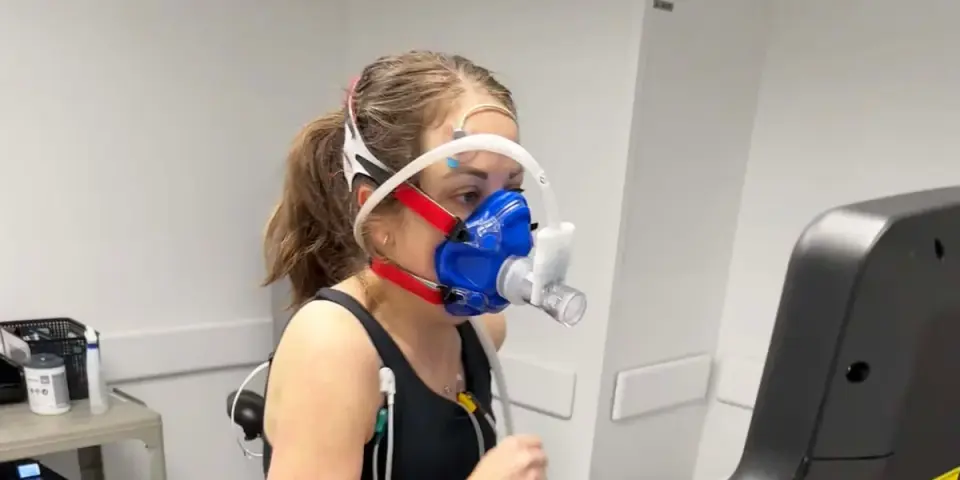
A VO2 max test provides precise, individualized heart rate zones that often differ significantly from generic formulas like 220 minus age. While standard algorithms may misclassify effort levels, lab testing aligns physiological data with perceived exertion, offering runners accurate training benchmarks.
Key points
- The standard formula for maximum heart rate (220 minus age) and its associated zones are approximations that do not account for individual physiological differences.
- A VO2 max test is the most precise method to determine true maximum heart rate and individual heart rate zones, revealing significant discrepancies from generic calculations.
- For one runner, generic Zone 2 was below 132 bpm, while their actual Zone 2 extended up to 149 bpm, showing a 17 bpm difference in the lower threshold.
- Garmin watches adjust max heart rate over weeks based on user data, while Strava uses different percentage splits that may align closer to lab results than default formulas.
- Sports cardiologist Tamanna Singh, MD, advises that heart rate zones are guides, not strict rules, and that rate of perceived exertion (RPE) remains a valid alternative for training.
Background
Previous coverage in July 2026 highlighted that walking and cardio benefits depend on heart rate zones, emphasizing the importance of tracking zones 2 through 4 for cardiovascular health. This story expands on that by detailing how to accurately determine those zones through scientific testing rather than relying on age-based estimates.
Why it matters
Misidentifying heart rate zones can lead to ineffective training or injury. Accurate data from a VO2 max test helps runners validate their perceived effort with objective numbers, improving training efficiency and confidence without requiring excessive high-intensity work.
What to watch
Runners can update their wearable devices with VO2 max test results to improve zone accuracy. Experts recommend testing periodically, as VO2 max is trainable and changes with fitness levels, but caution against overtraining VO2 max intervals to prevent burnout.
Want the full story? Read the original reporting
Read on Runner's World