
Five Trainers Recommend Specific Exercises to Build Hip Strength and Prevent Falls
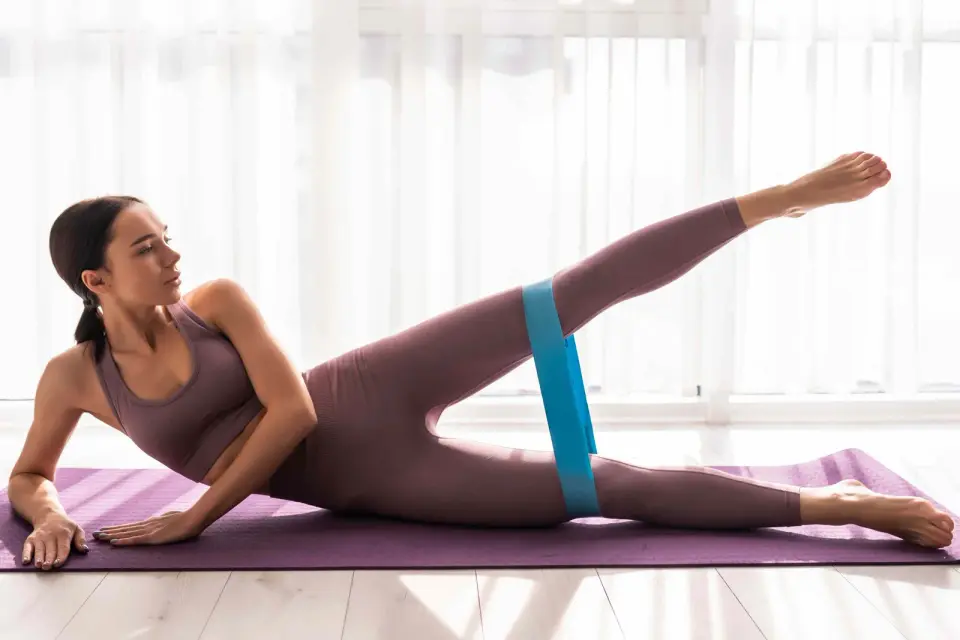
Five personal trainers recommend Romanian deadlifts, chair squats, back extensions, glute bridges, and side kick series to strengthen hip muscles. These exercises target glutes, hamstrings, and hip flexors to improve stability, balance, and mobility, reducing the risk of injury and falls as people age.
Key points
- Romanian deadlifts are recommended by Sean McGuinness to stretch hips and build strength in glutes and inner thighs, with three sets of 10 reps.
- Kris Herbert suggests chair squats to target glutes and adductor magnus, emphasizing knee alignment with toes and offering variations for different fitness levels.
- Josh Schlottman recommends back extensions to strengthen hamstrings and buttocks, the primary hip extensors, using a 45-degree bench for three sets of 10 to 15 reps.
- Josh York highlights glute bridges as a beginner-friendly move that activates glutes and thighs, especially with resistance bands, for three sets of 10 to 15 reps.
- Julie Erickson advises the Pilates side kick series to engage core, hip flexors, and thighs, performed for six to eight minutes with focus on core engagement.
Background
Hip strength is crucial for protecting the joint and preventing pain, injuries, and falls in older adults. While flexibility is important, surrounding muscles like hip flexors, quads, and hamstrings provide essential stability. Previous discussions on hip health often focus on pain relief, but this briefing emphasizes proactive strength training to maintain independence and mobility.
Why it matters
Strong hips are vital for maintaining balance, mobility, and independence as people age. Weak hip muscles can lead to pain, injuries, and falls, which are significant health risks for older adults. By incorporating targeted exercises, individuals can proactively strengthen these muscles, reducing the likelihood of mobility issues and improving overall physical resilience.
What to watch
Individuals should consult with a healthcare professional or certified trainer before starting new exercise routines, especially if they have existing hip conditions or injuries. Consistency in performing these exercises, with proper form and progressive overload, is key to achieving long-term hip strength and mobility benefits.
Want the full story? Read the original reporting
Read on Health.com