
Lincoln A&E faces crisis as patients wait days for beds amid staffing shortages
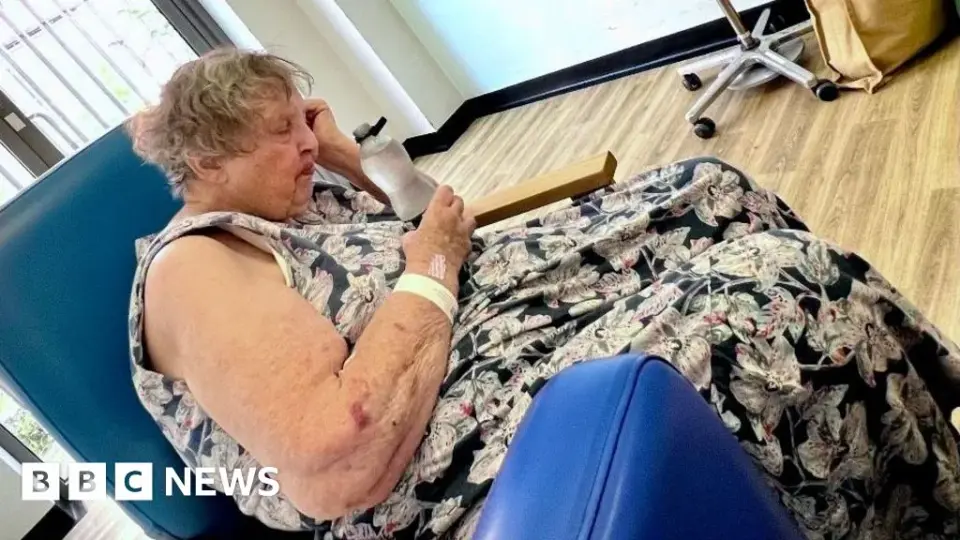
An 83-year-old cancer patient waited nearly 48 hours in a chair at Lincoln County Hospital, according to her son, highlighting severe overcrowding in the emergency department. NHS data shows one in 20 patients in the region waited over 12 hours for admission. Other families reported similar delays, including a 25-hour wait for a bed and a 32-hour wait for a spinal fluid leak case. The trust cites increased demand and discharge delays as key factors.
Key points
- Nigel Wass reports his 83-year-old mother waited almost 48 hours in a chair at Lincoln County Hospital, requiring him to manage her care, including toilet access and alarm resets, due to staff shortages.
- NHS figures indicate 5.2% of patients at Lincoln County and Boston Pilgrim hospitals waited more than 12 hours for admission in the year to October, with 264,017 total attendances.
- Paul Grantham-Rae describes his 85-year-old mother waiting 25 hours in a chair and seven hours on a ward, with blood loss from a leg wound going unaddressed due to staff unavailability.
- Other reported cases include a heart attack patient waiting nearly two days in A&E and five days for a cardiac bed, and a woman with a spinal fluid leak waiting 32 hours.
- United Lincolnshire Teaching Hospitals NHS Trust attributes delays to a 1,000-patient increase in A&E demand in September compared to the previous year and delays in discharging 191 patients daily due to social care gaps.
- Martin Gibbs, who waited 20 hours for an ECG after a heart procedure, left A&E to seek private care after staff failed to access his records or provide regular medication.
Background
This incident follows broader UK concerns regarding NHS capacity, including a Scottish case where a woman waited nine days for miscarriage care, prompting parliamentary debate on maternity service delays. While unrelated to antibiotic misuse or AI diagnostics, the Lincoln case underscores persistent issues in emergency care access and resource allocation across the UK.
Why it matters
Prolonged waits in emergency departments risk patient safety, as seen in cases of unmonitored blood loss and dehydration. The strain on staff and infrastructure highlights systemic challenges in balancing rising demand with limited resources, potentially leading to further reliance on private care for urgent treatments.
What to watch
The trust is implementing faster patient assessments and same-day emergency care access to free up beds. It is also collaborating with local partners to improve discharge processes and community care access, aiming to reduce backlog and prevent similar delays in the coming months.
Want the full story? Read the original reporting
Read on BBC