
GLP-1 weight loss drives demand for cadaver-sourced fat fillers
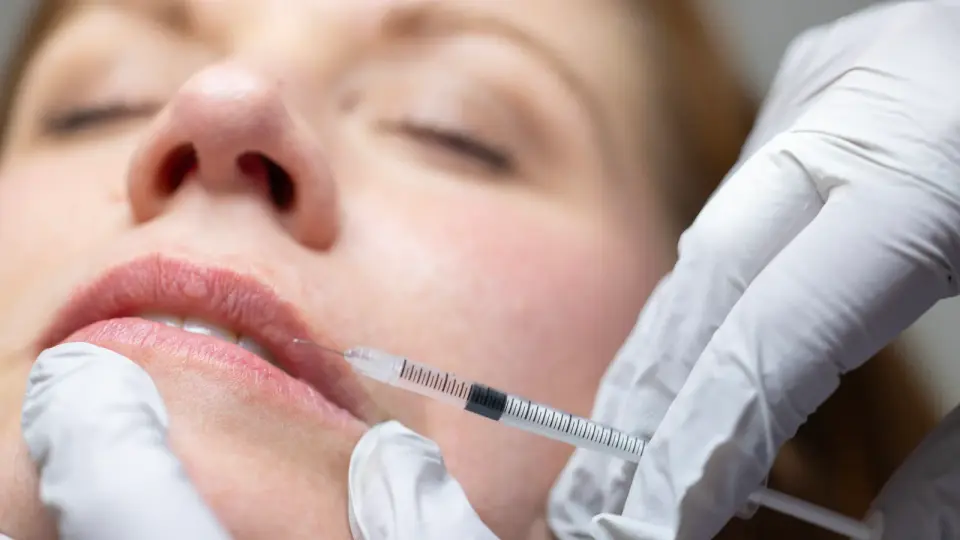
A cosmetic trend known as 'zombie filler' involves injecting fat harvested from donated cadavers rather than the patient’s own body. This practice has gained traction as patients using GLP-1 medications like Ozempic lose significant body fat, leaving them with insufficient tissue for traditional autologous fat transfers. Surgeons note that while the concept has existed for over a decade, it has recently become more accessible and popular due to lower costs and a consumer backlash against synthetic fillers. The procedure is seen as a regenerative alternative that provides more natural results and faster outcomes than hyaluronic acid, particularly for patients seeking to restore facial volume lost due to rapid weight loss.
Key points
- The term 'zombie filler' refers to the injection of fat harvested from donated human corpses, not discarded liposuction waste.
- GLP-1 medications, such as Ozempic, cause rapid fat loss, leaving many patients with insufficient body fat for standard autologous fat transfers.
- Surgeons report that patients are turning to cadaver fat to restore volume in areas like the face, arms, and buttocks, which often appear aged due to rapid weight loss.
- The procedure is viewed as a more natural, regenerative alternative to synthetic fillers, addressing a cultural backlash against 'Instagram face' and overfilled appearances.
- While the technique has been available for over a decade, it has recently become more mainstream due to decreased costs and increased accessibility.
Background
Previous coverage has highlighted the aesthetic side effects of GLP-1 medications, specifically 'temporal hollowing,' where rapid weight loss leads to a loss of volume in the temples and other facial areas. This trend follows earlier reports of patients seeking alternative cosmetic solutions to counteract the aging effects of rapid fat loss, moving away from traditional synthetic fillers toward more regenerative tissue approaches.
Why it matters
This trend highlights the unintended cosmetic consequences of popular weight-loss medications, creating a new market for invasive procedures that rely on cadaveric tissue. It also reflects a broader shift in cosmetic surgery toward natural, regenerative techniques as consumers reject synthetic fillers and seek solutions for the volume loss associated with rapid weight reduction.
What to watch
As GLP-1 medications continue to gain popularity, demand for volume-restoring procedures may increase. Surgeons expect the accessibility of cadaver-sourced fat to grow further as costs decrease, potentially making it a standard option for patients with low body fat who wish to avoid synthetic fillers.
Want the full story? Read the original reporting
Read on USA Today