
Hawaii Couple Trades $1,200 Monthly Rent for $70,000 Off-Grid Home on Big Island
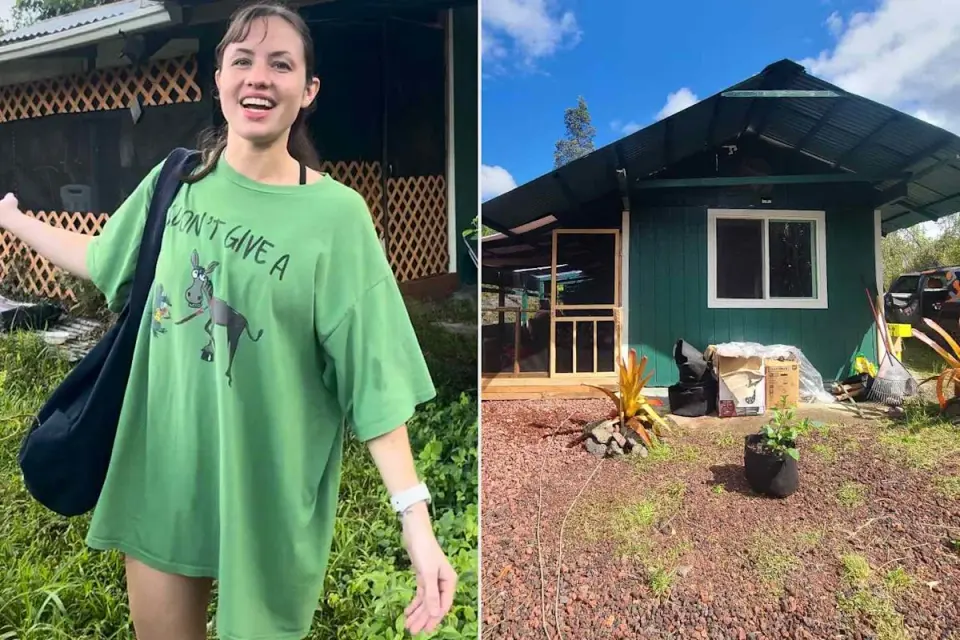
Ellie Rose Staub and her fiancé purchased a forested lot with a small shack on Hawaii's Big Island for approximately $70,000 in 2021, ending their tenure as renters who paid up to $1,200 monthly for a 400-square-foot room. The couple now lives off-grid, relying on solar panels, a backup generator, and rainwater collection for utilities. While the move eliminated rent and utility bills, it required significant labor for maintenance, water hauling, and trash disposal. Staub reports that the lifestyle demands constant attention to resource management but provides financial freedom and independence, which she values despite the lack of convenience.
Key points
- The couple bought the property for roughly $70,000 after being frustrated by high rent costs in Hawaii, specifically a $1,200 monthly payment for a small room that excluded utilities.
- Their home lacks city water and electricity, utilizing solar panels and batteries for power, with a generator used frequently during rainy seasons to ensure stability.
- Daily life involves manual tasks such as collecting rainwater, hauling drinking water, cooking on an outdoor propane stove, and driving 45 minutes to the nearest town for groceries and trash disposal.
- The residence has no air conditioning or insulation, requiring the couple to manage heat and limited storage space in a small shack.
- Staub states that while the lifestyle is demanding and lacks the relaxation often associated with nature living, it offers significant financial freedom and personal growth.
Background
This story follows a broader trend of individuals seeking alternatives to traditional housing markets, as seen in recent coverage of couples relocating to remote areas or adopting unconventional living arrangements to reduce costs and increase autonomy. While previous archive items focused on remote leasing in Europe or ethical relationship structures, this case highlights the financial and logistical trade-offs of purchasing land in a high-cost island economy.
Why it matters
The decision reflects a growing strategy among young adults to escape high rental costs by investing in land, even if it means sacrificing modern conveniences. It illustrates the practical realities of off-grid living, where financial savings are balanced against increased labor and logistical challenges, offering a concrete example of how housing choices impact daily life and personal resilience.
What to watch
Staub indicates that the long-term viability of this arrangement is uncertain, particularly if the couple decides to start a family, which may require different infrastructure. For now, they plan to continue their off-grid lifestyle, leveraging the financial breathing room it provides while adapting to seasonal challenges like water scarcity and power outages.
Want the full story? Read the original reporting
Read on Yahoo