
Torres Introduces 'Power to the Players Act' to Mandate Video Game Ownership
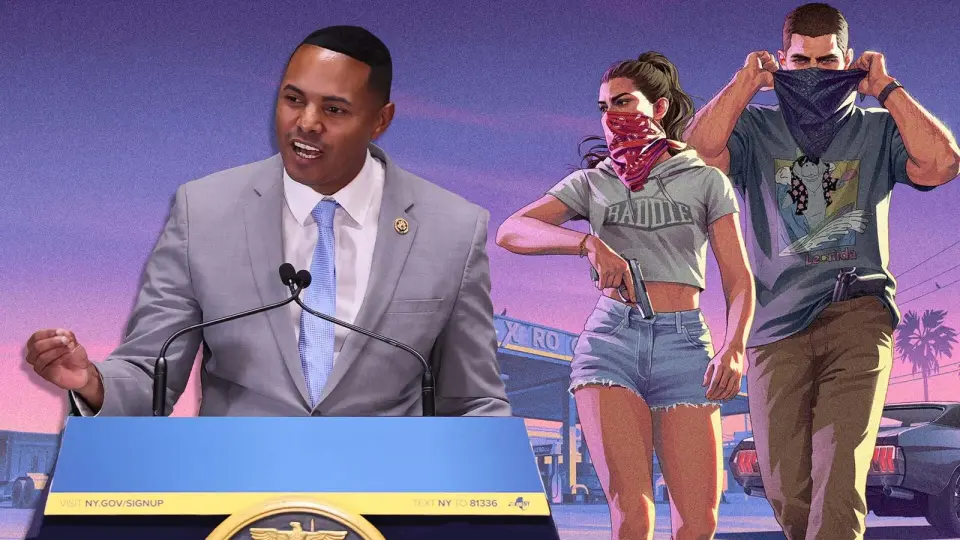
Rep. Ritchie Torres (D-NY) announced the 'Power to the Players Act,' a bill directing the FTC to regulate video game sales. The legislation aims to replace revocable digital licenses with true ownership rights, requiring offline modes for online games to prevent them from becoming unplayable after server shutdowns.
Key points
- Rep. Ritchie Torres plans to introduce the 'Power to the Players Act' in Congress, targeting the Federal Trade Commission (FTC) for new regulations.
- The bill seeks to ensure that purchasing a video game grants ownership rather than a revocable license, protecting consumers from arbitrary delisting.
- A core provision requires games with online features to include functional offline modes, ensuring playability even after server shutdowns.
- NBA 2K25 is cited as a primary example, with 2K Games delisting the title on October 30, 2026, and shutting servers by December 31, 2026.
- Torres frames the move as a 'restoration to the historical norm' of physical media ownership, though the bill excludes other digital media like movies and music.
Background
This legislative push follows a broader consumer rights movement, including the 'Stop Killing Games' advocacy group, which has campaigned against digital-only distribution models. Recent industry shifts, such as Sony’s decision to discontinue physical disc production for its next console generation, have intensified concerns about digital preservation. Additionally, a California state bill with similar goals failed in committee in June 2026, highlighting the legislative hurdles such measures face.
How outlets are covering it
Kotaku and Engadget emphasize the consumer protection angle, noting that Torres’s bill aligns with the 'Stop Killing Games' campaign and addresses the 'rental disguised as a sale' nature of current digital licenses. Ars Technica highlights technical and legal hurdles, pointing out that requiring offline modes may be infeasible for certain online-first architectures and that the FTC’s regulatory power has been weakened by the 2024 Supreme Court decision overturning Chevron deference. Torres’s official website frames the issue as an affordability and consumer rights matter, specifically mentioning families in the Bronx, while noting that the bill currently lacks confirmed cosponsors or Republican support.
Why it matters
If passed, this legislation could fundamentally shift the legal framework for digital media consumption in the U.S. It challenges the industry standard of selling games as temporary licenses, potentially forcing developers to redesign online games to include offline functionality. Success could set a precedent for broader digital ownership rights, though its passage is uncertain due to legislative gridlock and potential legal challenges to FTC authority.
What to watch
Torres must formally introduce the bill in Congress, where it will face the committee process. The full text is not yet public, and it is unclear if the bill will secure cosponsors or survive potential legal challenges regarding the FTC’s regulatory scope. Industry lobbyists are expected to oppose restrictions on digital distribution models.
- Rep. Ritchie Torres Announces Congressional Legislation To Protect Video Game Ownership: 'If You Pay For It, You Own It' Kotaku
- Rep. Torres Announces Power To The Players Act, Legislation to Ensure Gamers Own Their Games House.gov
- US Rep proposes bill to give video game buyers "ownership," not "a license" Ars Technica
- NY Congressman To Introduce Bill Protecting Video Game Ownership Engadget
- New York rep announces game ownership bill that would require consumer ownership rather than sale of licenses — would also require publishers to keep the game functional after support ends Tom's Hardware
Want the full story? Read the original reporting
Read on Kotaku