Tag

Digital Rights

All articles tagged with #digital rights

Global drive to curb teen social media access sparks debate on effectiveness and rights
technology13 days ago

Global drive to curb teen social media access sparks debate on effectiveness and rights

A wave of government proposals to restrict or deter minors' use of social media—ranging from outright bans to design-focused rules—has spread globally, sparking debate about effectiveness and unintended consequences. While some countries push bans or age-restrictions, experts warn such measures may infringe rights or fail to reduce harm, leading policymakers to emphasize platform accountability, parental controls, and broader online-safety strategies.

SCREEN Act Could Erase Online Anonymity Across the Web
technology24 days ago

SCREEN Act Could Erase Online Anonymity Across the Web

The SCREEN Act would require nearly any online service that hosts even a single piece of sexually explicit content to verify users’ ages via real-identity processes, threatening widespread loss of anonymity and privacy. It would affect platforms beyond adult sites—including streaming and social networks—by mandating age checks tied to personal data, while weakening protections on how long such data can be kept. The bill also targets VPNs by requiring verification based on IP addresses, potentially chilling legitimate privacy protections and journalists’ and activists’ security. The piece argues these provisions create a privacy and security nightmare and urges opposition to safeguard lawful speech and user privacy.

California advances bill to keep online games playable after server shutdowns
technology3 months ago

California advances bill to keep online games playable after server shutdowns

A California bill, AB 1921, cleared the Assembly Appropriations Committee with amendments and now eyes a full Assembly floor vote. It would require game studios to keep online services running after server shutdowns or offer refunds, a measure backed by Stop Killing Games and opposed by the ESA. If it passes the Assembly and is signed by Governor Gavin Newsom, it could establish end‑of‑life plans for online titles and set a precedent for digital consumer rights.

Zambia halts global digital rights summit days before start amid censorship claims
world3 months ago

Zambia halts global digital rights summit days before start amid censorship claims

Zambia canceled RightsCon 2026 in Lusaka just days before its May start, saying it needed time to ensure the event aligns with national values, policy priorities, and public interest. The move, described by activists as censorship, comes amid concerns of political pressure and transnational repression, with more than 2,600 delegates expected and many having already traveled and paid for arrangements to discuss digital rights, online hate, surveillance, and internet governance.

RightsCon Cancelled After Beijing Pressure Over Taiwanese Delegates
world3 months ago

RightsCon Cancelled After Beijing Pressure Over Taiwanese Delegates

RightsCon, the world’s largest digital rights conference, was canceled in Lusaka after Chinese authorities allegedly pressured Zambia to exclude Taiwanese participants from in-person and online participation, leading to postponement and signaling Beijing’s reach into global digital rights discourse. Access Now said it received informal briefings from multiple sources about China’s influence shaping the conference, which was set to address China’s digital authoritarianism and cyber activities, with UNESCO events nearby also affected.

RightsCon Canceled in Zambia Over National-Values Demands
technology3 months ago

RightsCon Canceled in Zambia Over National-Values Demands

RightsCon, the global conference on human rights and technology, was canceled in Lusaka just days before it was to start after the Zambian government demanded full alignment with national values and public-interest considerations, prompting organizers to advise registered participants not to travel. The decision comes amid Zambia’s tightened digital laws and ahead of an August election, drawing criticism from digital-rights groups and observers who say the move undermines civil society and free expression.

Kenyan authorities used Israeli spyware to breach activist Mwangi’s phone, report finds
world6 months ago

Kenyan authorities used Israeli spyware to breach activist Mwangi’s phone, report finds

Citizen Lab says Kenyan police used Cellebrite’s Israeli spyware to crack pro-democracy activist Boniface Mwangi’s phone while in custody, potentially extracting all data. The finding adds to concerns about government misuse of digital-forensics tools; Cellebrite says it reviews misuse and Amnesty International warns such tech can intimidate dissent.

Iran’s Centralized Surveillance Engine Takes Shape Amid Internet Blackouts
technology6 months ago

Iran’s Centralized Surveillance Engine Takes Shape Amid Internet Blackouts

Iran has spent more than a decade building a centralized National Information Network to monitor and control citizens’ digital life. The recent near-total internet shutdown exposed the regime’s enhanced surveillance capabilities and its ability to restrict or cut off global access while keeping internal networks running, signaling a potential permanent disconnection or splintering and a broad, centralized surveillance apparatus.

Spain mulls nationwide restrictions on X over digital rights concerns
technology6 months ago

Spain mulls nationwide restrictions on X over digital rights concerns

Spain’s youth minister Sira Rego suggested the country may limit or even ban access to Elon Musk’s platform X due to violations of fundamental rights, framing this as part of a broader push to reclaim sovereignty from powerful tech giants; the remarks come as Spain advances plans to bar under-16s from social media amid ongoing regulatory clashes between Europe, the US, and Big Tech.

Iran’s longest internet blackout reveals an info-war over truth and reach
policy6 months ago

Iran’s longest internet blackout reveals an info-war over truth and reach

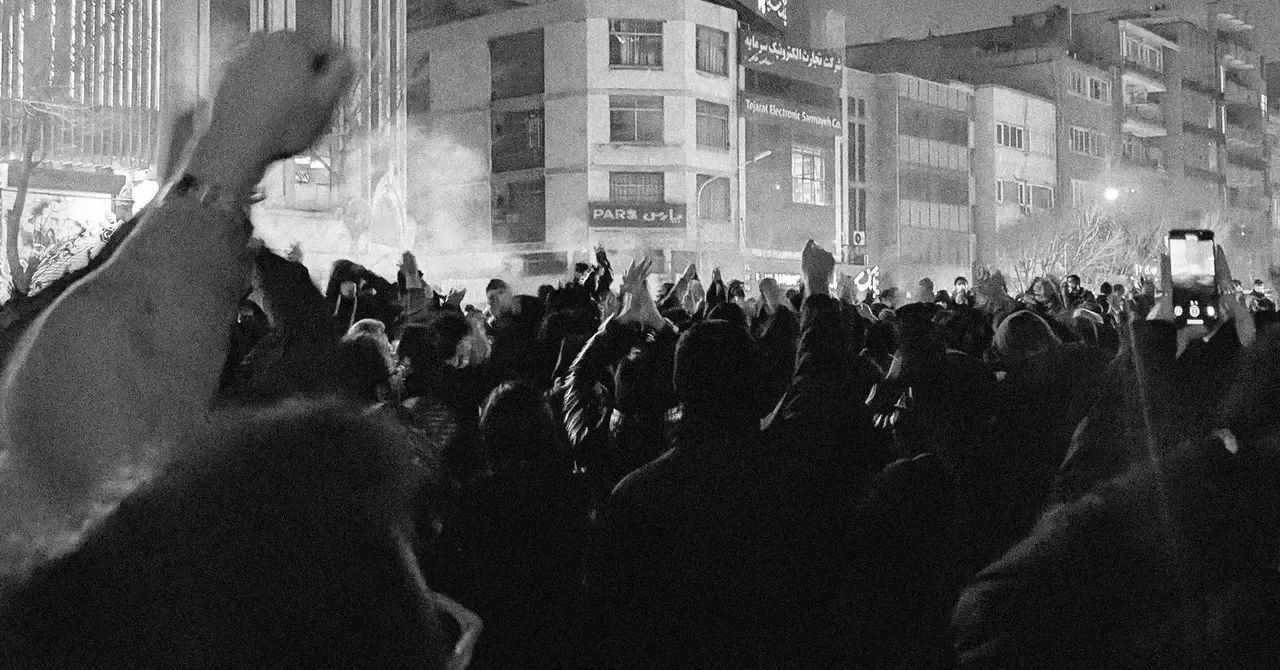
After protests in January, Iran shut down the internet—the longest blackout in the country’s history—in an effort to stop mobilization, a move that slowed information flow but did not quell the uprising. Connectivity has returned in fits and starts, with Starlink terminals providing a rare window into events, while experts note the regime’s use of censorship, coercion, and AI-driven disinformation. The piece also discusses how activists rely on VPNs and satellite access to document abuses and how satellite-to-cell tech could reimagine connectivity beyond state-controlled networks.

Stop Killing Games Reaches 1.3M Signatures, Eyes EU Commission Submission
world7 months ago

Stop Killing Games Reaches 1.3M Signatures, Eyes EU Commission Submission

Stop Killing Games has cleared almost 1.3 million valid signatures for its EU Citizens’ Initiative, paving the way for an official handover to the European Commission in Brussels in late February. The group argues for protections to prevent remote publisher shutdowns and to keep games playable without ongoing publisher involvement, noting Anthem and Avengers as examples. Germany, France, Poland, and Spain lead the signatures, and organizers say the goal is preservation rather than ownership.

Iran's internet blackout deepens into 'extreme digital isolation'
world7 months ago

Iran's internet blackout deepens into 'extreme digital isolation'

Iran has kept 92 million people offline for 10 days in a sweeping internet blackout. Officials say it’s to counter externally directed 'terrorist operations', but reporting suggests the regime is moving toward permanent or highly restricted access, potentially a government‑run, vetted system that would cut the country off from the international internet. Observers warn the move endangers lives, fuels abuses, and erodes livelihoods while protest coverage remains stifled. Some tech avenues, like satellite and mesh networks, offer limited resilience, but the trend signals stricter digital control.

Iran weighs permanent split from global internet to a vetted, state-controlled network
world7 months ago

Iran weighs permanent split from global internet to a vetted, state-controlled network

Iran is reportedly planning a permanent move to a two-tier internet: access to the global network would be restricted to individuals with government clearance, while the rest would be confined to a censored domestic 'national internet.' The plan follows a severe internet shutdown amid protests and could have wide economic and social costs.