
Cycling experts debunk the 90-rpm cadence myth, urging riders to prioritize efficiency over arbitrary targets
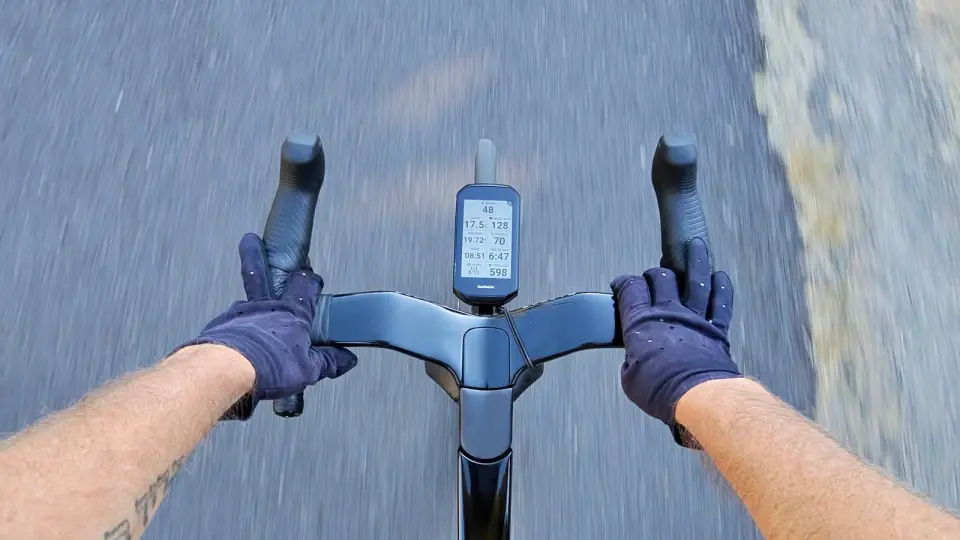
A recent analysis challenges the long-standing cycling dogma that riders must maintain a high cadence, typically 90 revolutions per minute (rpm). The article argues that this advice originated from the 1990s era of performance-enhancing drugs, specifically EPO, which artificially boosted aerobic capacity for professional racers. For the average cyclist, lower cadences may actually be more efficient. Experts suggest that riders should self-select their cadence based on comfort and power output rather than adhering to a universal benchmark.
Key points
- The 'spin-to-win' philosophy of high cadence emerged during the EPO era, where enhanced oxygen delivery allowed pros to shift workload from muscles to the cardiovascular system.
- AI coaching tools often flag cadences below 90 rpm as errors, but experts note these systems lack the nuance to determine if a lower cadence is actually problematic.
- Research indicates that lower cadences, such as 63.5 rpm, can be more metabolically efficient for endurance riding, reducing overall energy demand compared to higher cadences.
- There is no strong evidence that forcing low-cadence training builds maximal leg strength, nor that it outperforms training at a freely chosen cadence.
- Cadence should only be adjusted if a rider experiences specific issues, such as excessive muscular fatigue or an inability to maintain power during long efforts.
Background
This discussion follows a broader trend in sports science where previously accepted training metrics are being re-evaluated through modern data analysis and physiological research. While earlier debates in our archive focused on sleep aids, this piece addresses a similar pattern of debunking popular but scientifically unsupported advice in athletic performance.
Why it matters
For cyclists, this information prevents unnecessary changes to training routines that could reduce efficiency. It highlights the importance of individual physiological responses over generalized rules derived from a specific historical context involving performance-enhancing drugs. Riders can avoid the pitfalls of AI-driven coaching that applies rigid standards to diverse human bodies.
What to watch
Cyclists are encouraged to monitor their performance based on power output and comfort rather than cadence numbers. Coaches may continue to use cadence as a diagnostic tool for specific issues, but the trend is moving away from prescribing universal cadence ranges for all riders.
Want the full story? Read the original reporting
Read on Outside Magazine