
Beetroot Juice Fails to Boost Swim Speeds, Only Eases Perceived Effort
A new meta-analysis confirms that beetroot juice does not improve swimming times or lower blood lactate, though it may slightly reduce how hard the effort feels.

All articles tagged with #sports science
A new meta-analysis confirms that beetroot juice does not improve swimming times or lower blood lactate, though it may slightly reduce how hard the effort feels.

A 12-week study shows that 10g of daily creatine monohydrate increases lean mass, strength, and cognitive markers in sedentary adults aged 45-65. While exercise combined with supplementation reduces body fat, creatine alone offers benefits for muscle and brain health. Experts caution that evidence for broader anti-aging or bone benefits remains limited.

Virginia Tech’s fall camp under James Franklin blends NFL-style summer OTAs and a new sports-science emphasis led by Shaun Huls to optimize recovery, mobility and situational practice. The core values remain—discipline and accountability—but the program is pursuing smarter loading and deeper installation to make the Hokies more game-ready, with transfers noting a more efficient, data-driven approach ahead of the season.
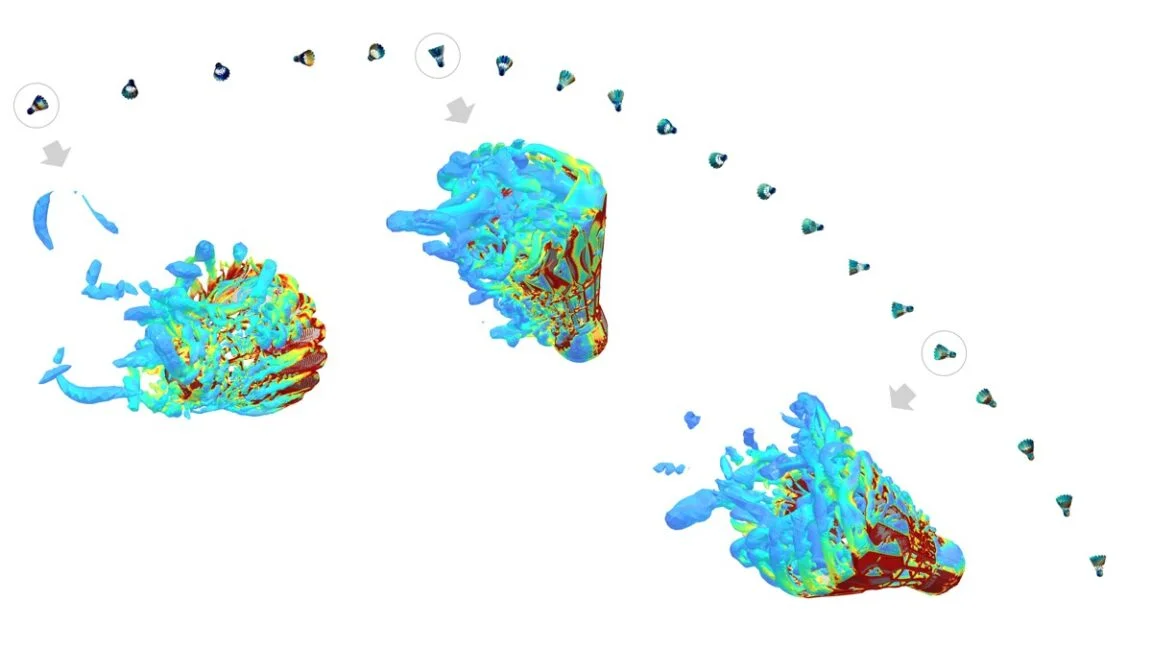
Serious badminton players have developed a highly effective spin serve, which was banned by the BWF in 2023 due to concerns over unfair advantage. Chinese physicists have analyzed the complex physics behind the spin serve, focusing on the unique aerodynamics and feather geometry of shuttlecocks, which influence their speed, stability, and spin during play.
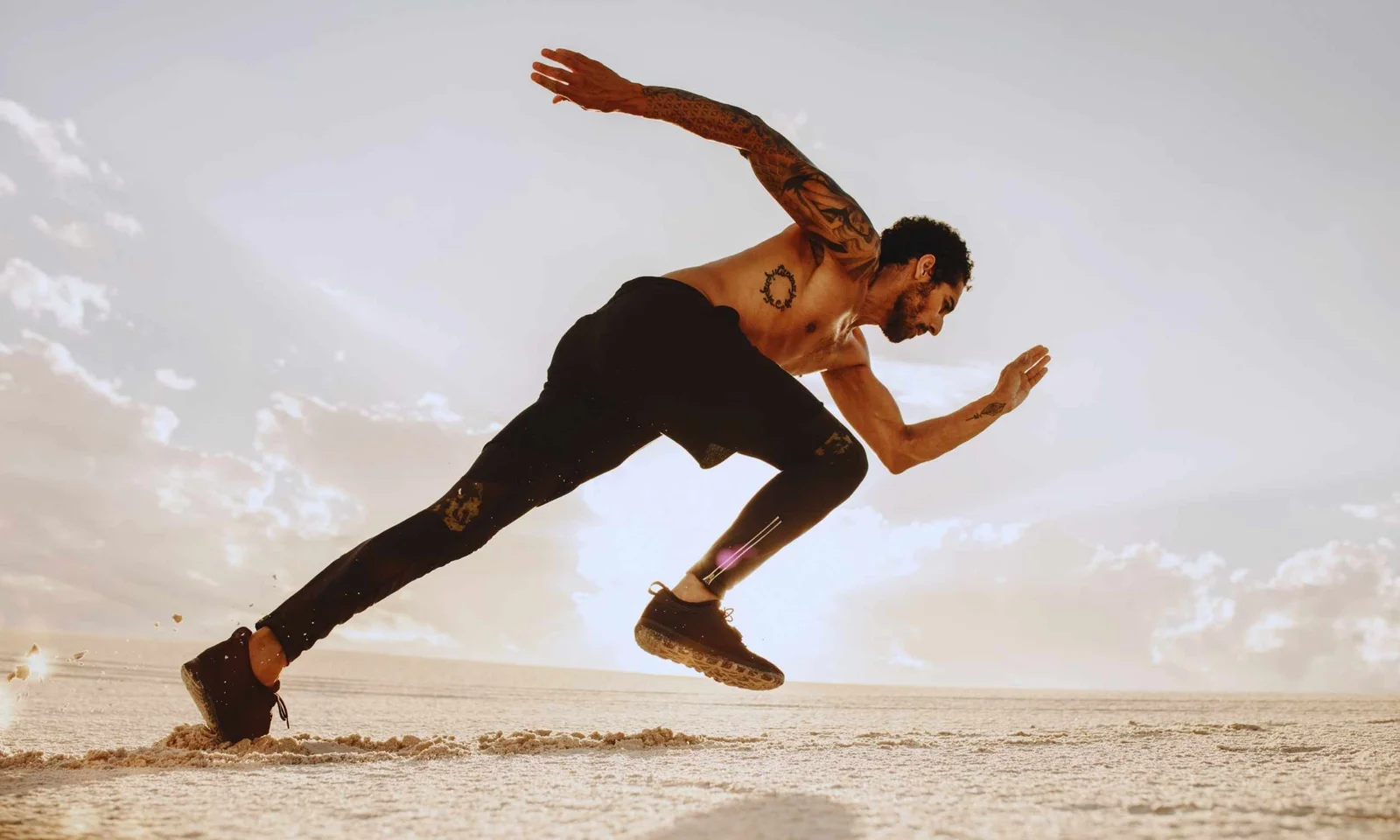
A study found that using simple, environment-focused word cues can instantly improve sprint speed in elite teenage athletes by about three percentage points, highlighting the power of external focus instructions in sports performance.
John Brenkus, the host and co-creator of ESPN's 'Sports Science,' passed away at age 53 after battling depression. He was known for his innovative sports science series and was a respected TV producer and author. His death highlights the importance of mental health awareness.

John Brenkus, the Emmy-winning host and co-creator of ESPN's 'Sport Science,' died at age 54 after battling depression, which he openly discussed and credited with saving his life through therapy and support. His innovative series used technology to explore sports myths and earned six Emmy awards. Brenkus's death highlights the importance of mental health awareness and seeking help.

John Brenkus, founder and host of the Emmy-winning 'Sports Science,' died at 54 after battling depression, which he publicly discussed as a severe struggle that nearly led to his suicide, but he credited his dog and therapy for his recovery. His death highlights the importance of mental health awareness.

John Brenkus, the founder and host of the Emmy-winning show 'Sports Science,' passed away after battling depression, which he openly discussed, including a suicide attempt in 2023. The show, known for explaining the science behind sports phenomena, was popular on ESPN and Fox Sports Net, and Brenkus had recently revived it on his own platform. His death has prompted tributes from the sports media community and highlights the importance of mental health awareness.
The Washington Commanders are prioritizing player health and performance by hiring Tim McGrath as senior director of player health and performance and signing veteran tight end Zach Ertz to a one-year deal. McGrath, with extensive experience in sports science and injury prevention, will oversee athletic training, strength and conditioning, nutrition, and player wellness. The team is also bolstering its analytics and software development for football operations, aiming to gain a competitive edge. Ertz, familiar with the team's new system and offensive coordinator, brings experience but has faced injury challenges in recent years.
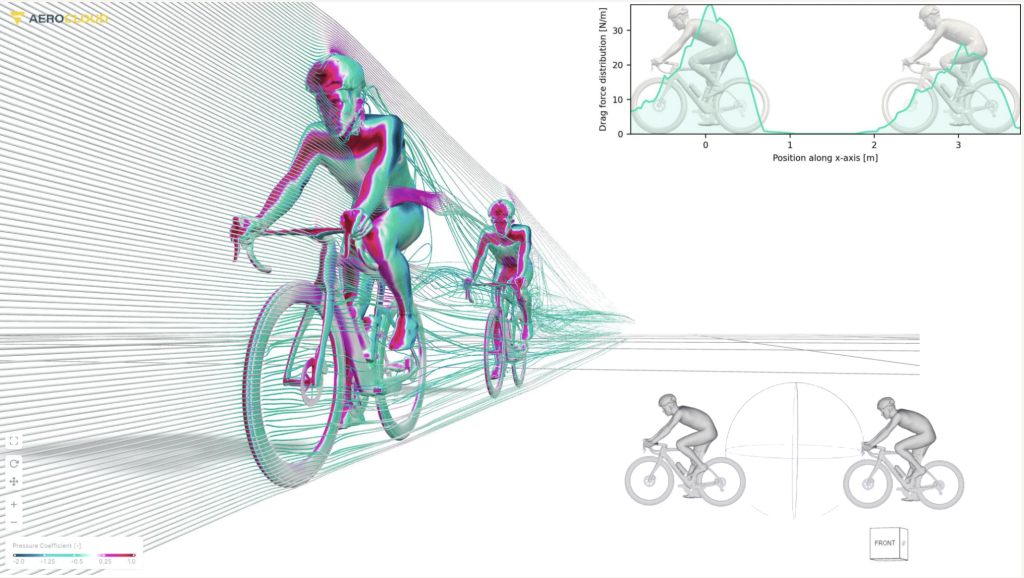
A recent discussion on the Performance Process podcast with Alex Dowsett raised the question of whether it's easier to draft behind an aerodynamically optimized cyclist or one with less aerodynamic efficiency. Surprising results from CFD simulations by Nablaflow's CEO Luca Oggiano revealed that it is marginally easier to draft behind a more aerodynamic rider, contrary to the common assumption that a less aerodynamic rider would provide a better draft. The simulations showed that a following rider experiences less drag behind an aerodynamically optimized lead rider, saving more watts compared to drafting behind a less aerodynamic lead rider. The study also found that the aerodynamics of the drafting rider can affect the lead rider's required effort, with different configurations leading to varying watt savings. The findings highlight the complex nature of aerodynamics in cycling and suggest that maintaining a closer distance to the rider in front remains the most effective way to maximize drafting benefits.
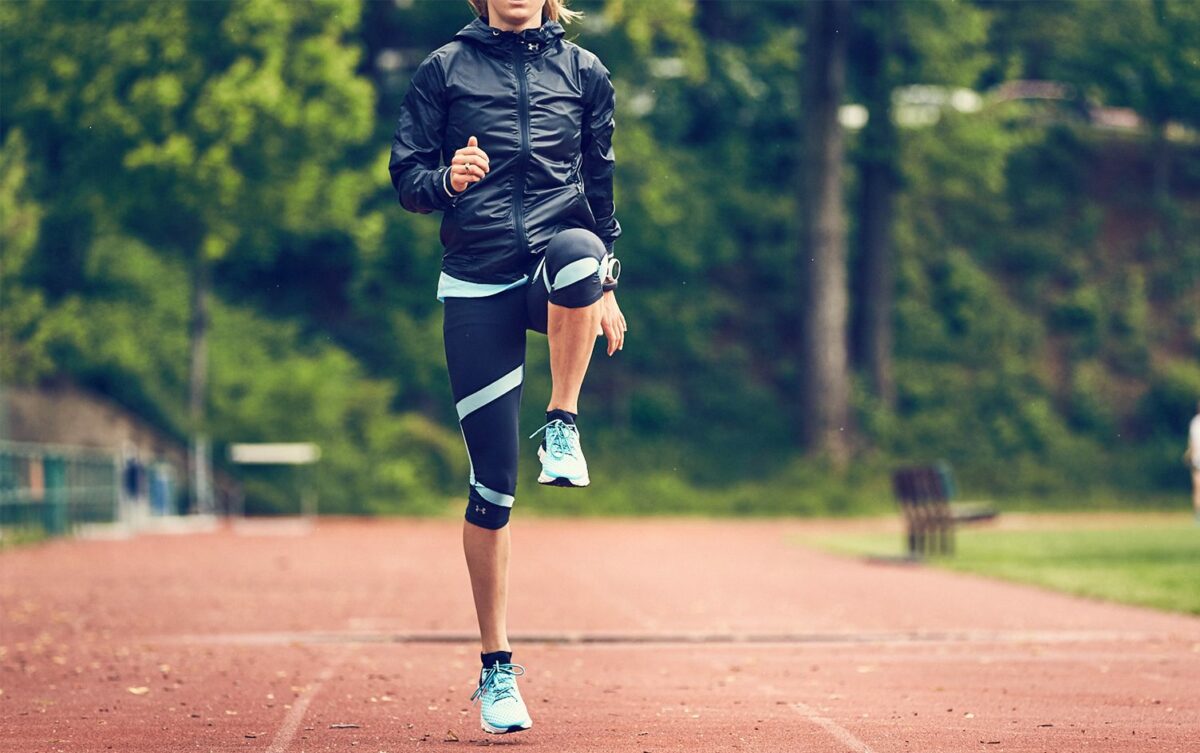
New research has revealed that warming up skeletal muscles before a workout or race enhances their efficiency by saving energy and allowing for better rest when not in use. The study found that skeletal muscles are more sensitive to heating than the muscles of the heart, allowing them to contract quickly and efficiently when warmed up. However, the muscles of the heart have a lower temperature sensitivity to maintain a continuous beat. The findings suggest that a light, 10-minute jog and some simple warmup drills are sufficient for runners to be ready to perform at their best.

Consuming healthy, wholesome foods can significantly improve cardiovascular fitness, equivalent to taking 4,000 more steps a day, according to a study of 2,380 adults published in the European Journal of Preventive Cardiology. While aerobic activity is known to increase cardio fitness, researchers have long suspected that other factors, including diet, also contribute to superior fitness. The study found that this change can occur in as little as four days, highlighting the importance of a healthy diet for those who exercise regularly.