
Sonos Beam Ultra and Ace Ultra Reviews Highlight Improved Audio and Software Stability
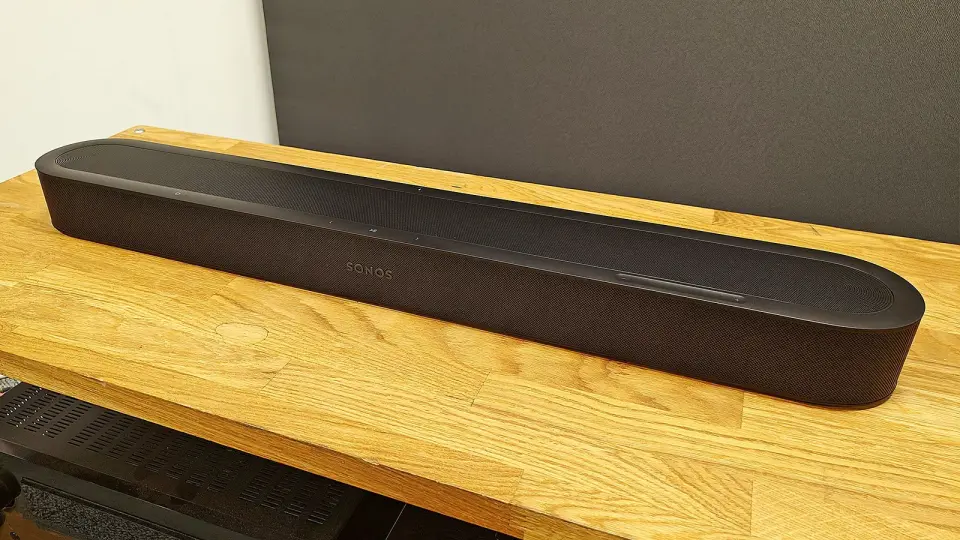
The Sonos Beam Ultra ($699) and Ace Ultra ($449) launch with significant hardware upgrades and improved software integration. The Beam Ultra adds physical up-firing drivers for true Dolby Atmos, while the Ace Ultra introduces Wi-Fi linking to the Sonos ecosystem. Reviews praise the audio quality and design but note persistent app reliability issues and missing features like DTS:X.
Key points
- The Sonos Beam Ultra costs $699 and features a 7.1.2-channel configuration with nine drivers, including two up-firing units for Dolby Atmos, a step up from the virtualized Atmos of the previous Beam Gen 2.
- The Sonos Ace Ultra headphones cost $449 and introduce 'headphone linking,' allowing users to stream audio over Wi-Fi directly to the headphones from other Sonos devices, a feature absent in the original Ace.
- Both devices run on the new Sonos 27 software platform, which includes Trueplay room tuning and AI-powered Speech Enhancement for the soundbar, though reviewers note the app remains occasionally slow or unreliable.
- The Beam Ultra lacks DTS:X support and HDMI passthrough, while the Ace Ultra offers 35 hours of battery life and user-replaceable batteries, addressing previous concerns about longevity and repairability.
Background
Sonos launched the Beam Ultra and Ace Ultra in late September 2026, following a period of software instability and a CEO resignation in 2024. The Beam Ultra was positioned as a mid-range option between the Beam Gen 2 and the Arc Ultra, while the Ace Ultra aimed to fix the original Ace's lack of deep ecosystem integration. These releases are part of Sonos's effort to rebuild consumer trust through hardware improvements and a refreshed software platform.
How outlets are covering it
What Hi-Fi? praises the Beam Ultra for its room-filling sound and tight bass but criticizes the lack of DTS:X and HDMI passthrough. SoundGuys highlights the Beam Ultra's strong bass performance in small rooms, noting it may not require a subwoofer, while emphasizing the ease of setup. Engadget and BGR focus on the Ace Ultra, with Engadget praising the new Wi-Fi linking feature and improved noise cancellation, while BGR criticizes the app's reliability and the loud, cheap-feeling physical buttons. Both outlets acknowledge that while the hardware is premium, the software experience remains a mixed bag compared to competitors.
Why it matters
These reviews indicate that Sonos has successfully improved its hardware offerings, particularly with the addition of physical Atmos drivers in the Beam Ultra and deeper ecosystem integration in the Ace Ultra. However, the persistent issues with the Sonos app and missing features like DTS:X suggest that the brand still faces challenges in fully satisfying audiophiles and tech enthusiasts. The success of these products will depend on whether software updates can resolve the remaining reliability concerns.
What to watch
Sonos is expected to continue rolling out updates for the Sonos 27 platform to improve app stability and feature reliability. The company may also address feedback regarding the physical button design on the Ace Ultra and potentially introduce DTS:X support in future soundbar models. Consumers should monitor for firmware updates that could enhance the performance of the Beam Ultra and Ace Ultra.
- I tested Sonos’s new Dolby Atmos soundbar – and I was not disappointed What Hi-Fi?
- Sonos Ace Ultra Review: Giving The People What They Want Engadget
- The Sonos Beam Ultra might be all the soundbar you need SoundGuys
- Sonos Ace Ultra Headphones Review: Premium Sound And An Ever-Improving App bgr.com
- I flew 11,000 miles with the new Sonos Ace Ultra headphones, and their noise cancellation wowed me Business Insider
Want the full story? Read the original reporting
Read on What Hi-Fi?