
San Francisco Developer Unveils 'Night Shift,' a Controversial Zombie Shooter Set in the Tenderloin
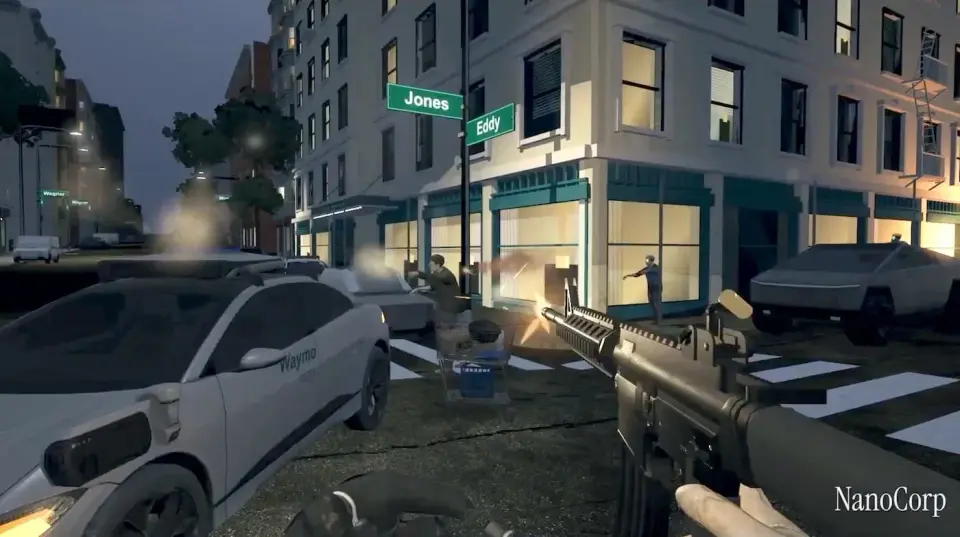
Pierre-Louis Biojout, founder of AI platform NanoCorp, released a free multiplayer browser game called 'Night Shift' that depicts San Francisco’s Tenderloin neighborhood as a zombie-infested shooter environment. The game, built in a single weekend using AI coding tools, features recognizable local landmarks and characters representing individuals experiencing homelessness and addiction. While Biojout claims the game has generated $300 in ad revenue, it has sparked intense backlash for trivializing the city’s social crises, though some users praise it as an innovative indie title.
Key points
- Pierre-Louis Biojout, an AI founder, launched 'Night Shift,' a multiplayer zombie shooter set in the Tenderloin.
- The game was developed in one weekend using AI coding tools, despite Biojout having no prior game development experience.
- Critics condemned the game for turning homelessness and addiction into entertainment, while supporters praised its creativity.
- The game features real-world locations like Jones and Eddy streets, along with recognizable elements like Lime scooters and Waymo vehicles.
- Biojout stated the game has already generated $300 in advertising revenue.
Background
The release of 'Night Shift' follows a broader trend of AI-assisted game development, as seen in recent indie showcases like PAX West 2026, where AI tools were used to create innovative titles. The controversy also echoes previous debates over the ethical implications of AI in media, such as the use of ChatGPT in planning the 2026 Tumbler Ridge school shooting, highlighting concerns about AI's role in creating content that may trivialize real-world issues.
How outlets are covering it
SFist and KRON4 emphasized the game's controversial portrayal of Tenderloin residents, particularly the depiction of individuals experiencing homelessness and addiction as zombies. They highlighted the backlash from social media users who criticized the game for trivializing the city's social crises. In contrast, the New York Post noted that some users defended the game, with one commenter calling it the best game they had played that year. The Post also highlighted Biojout's response to critics, where he dismissed their concerns with a simple 'Why not?'
Why it matters
The controversy surrounding 'Night Shift' underscores the ethical implications of using AI to create content that may trivialize real-world issues, particularly those affecting vulnerable populations. It also highlights the growing trend of AI-assisted game development, which has the potential to democratize game creation but also raises concerns about the responsible use of AI in media.
What to watch
Biojout may face further backlash or legal action if the game continues to attract criticism. The game's success or failure could also influence the broader conversation about the ethical use of AI in media and game development. Additionally, the game's performance in terms of ad revenue and user engagement will be closely monitored to assess its impact on the AI-assisted game development industry.
- SF AI Founder’s Zombie Shooter Game Turns Tenderloin Residents Into Targets SFist
- Zombie shooter game based in San Francisco sparks online controversy KRON4
- S.F. leaders slam ‘gross’ AI video game where players shoot ‘zombies’ in the Tenderloin San Francisco Chronicle
- Tech bro branded ‘huge piece of s–t’ for game that lets you kill ‘homeless people’ — but some fans love it New York Post
Want the full story? Read the original reporting
Read on SFist