
Gold Plastic Syndrome Causes Brittle Failure in Vintage Toys and Handheld Consoles
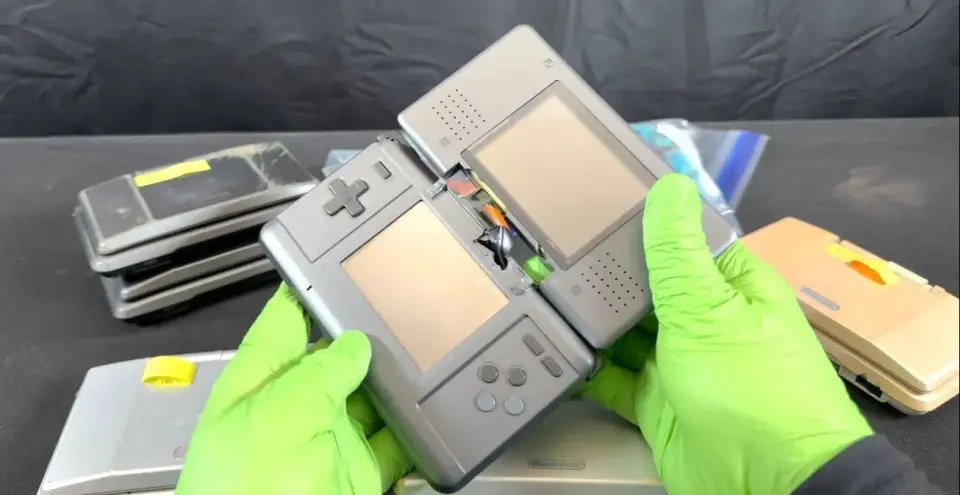
A phenomenon known as Gold Plastic Syndrome (GPS) is causing the enclosures of vintage toys and handheld consoles, such as the Nintendo DS, to become extremely brittle and disintegrate. This issue, documented since the late 1980s, affects gold-colored plastic parts due to additives that interact with ABS plastic over time. While the exact chemical cause remains unclear, recent research suggests metal additives like titanium and chromium may contribute to structural degradation through oxidation and stress points. For devices like the DS, third-party replacement shells are a viable fix, but for toys where the plastic is the primary component, there is currently no known method to reverse the damage.
Key points
- Gold Plastic Syndrome (GPS) causes gold-colored plastic parts in toys and electronics to turn yellow, become brittle, and eventually disintegrate into a powdery residue.
- The issue has been documented by the Transformers toy community since the late 1980s and affects items produced through the mid-2010s, including Nintendo DS consoles and certain Game Boy Advance models.
- A recent 2026 study suggests that metal additives (such as titanium and chromium) in plastic can create weak points that accelerate degradation through UV exposure and oxidation, though the specific mechanism for GPS remains unconfirmed.
- Repair options are limited; while third-party replacement shells exist for common gadgets like the Nintendo DS, there is no known way to reverse the degradation in toys where the plastic structure is integral to the item.
- The condition is distinct from plasticizer migration but shares similar underlying causes related to additive interactions within the polymer matrix.
Background
This issue follows broader concerns about material durability in consumer electronics and collectibles. While previous coverage has focused on interactive toy innovations like Lego Smart Play or terrain sets for Warhammer 40,000, the focus here is on the long-term physical degradation of existing plastic products. The problem highlights a gap in material science regarding the longevity of certain plastic formulations used in mass-produced goods from the late 20th century.
Why it matters
Gold Plastic Syndrome poses a significant threat to the preservation of vintage collectibles and the repairability of classic electronics. As these items age, their structural integrity fails, rendering them unusable or unrepairable without expensive or unavailable replacement parts. Understanding the chemical mechanisms behind this degradation is crucial for developing preservation techniques or new materials that resist similar long-term brittleness, ensuring that historical toys and consoles do not simply disintegrate over time.
What to watch
Researchers and hobbyists are continuing to investigate the specific chemical interactions causing GPS, potentially leading to preservation methods or stabilizing treatments. For now, users of affected devices are advised to handle them with extreme care and consider third-party replacement shells where available, while those with affected toys may have to accept the gradual disintegration of their items until a reversal method is discovered.
Want the full story? Read the original reporting
Read on Hackaday