Tag

Material Science

All articles tagged with #material science

MIT team tests edible battery that powers stomach devices and dissolves safely
science-and-technology2 months ago

MIT team tests edible battery that powers stomach devices and dissolves safely

Researchers at MIT have developed a biodegradable battery capable of powering medical devices inside the human body. Tested in pigs, the battery uses magnesium and molybdenum trioxide to power wireless tags and stomach stimulators before dissolving into safe, absorbable components. The technology aims to replace invasive implants with swallowable devices for monitoring health and regulating appetite.

Gold Leaf: From 0.1 Micrometre Sheets to Global Design Studies
design-and-materials2 months ago

Gold Leaf: From 0.1 Micrometre Sheets to Global Design Studies

Gold leaf is a metal film approximately 0.1 micrometre thick, created by hammering gold plates between gold-beater’s skin. Used since 2600 BCE, it is typically sold in books of 25 sheets, cut into 3-inch squares. Standard leaf is 23.5 carat, while alloyed versions like lemon gold include silver for easier handling. The material exhibits a warm yellow hue that deepens to amber in creases. The Chromologium documents its use across 16 design studies, ranging from Art Deco interiors to historical artifacts like the Apollo gilded bronze tripod and the Shiva Nataraja temple roof. Care requires handling by edges and dusting with soft brushes to prevent damage.

Laser Experiments Correct Diamond Melting Point by Over 1,300 Degrees
science2 months ago

Laser Experiments Correct Diamond Melting Point by Over 1,300 Degrees

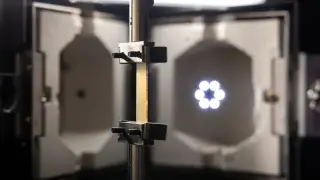
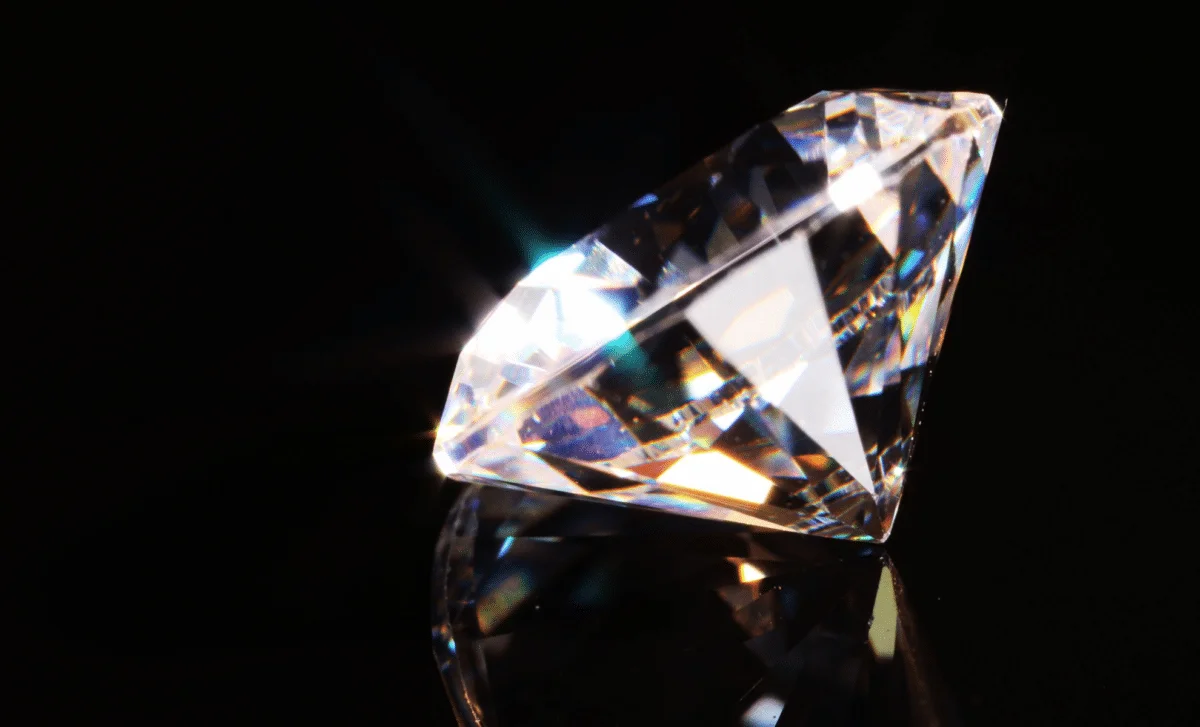
Researchers at Lawrence Livermore National Laboratory have determined that diamond’s melting point is over 1,300 degrees Fahrenheit lower than previously believed. Using ultraviolet lasers to shock-compress synthetic diamond plates, the team achieved the most precise measurement to date, resolving a 20-year discrepancy between experimental data and theoretical models. This correction improves predictions for nuclear fusion energy and the behavior of carbon in giant planets.

Gold Plastic Syndrome Causes Brittle Failure in Vintage Toys and Handheld Consoles
technology-and-repair2 months ago

Gold Plastic Syndrome Causes Brittle Failure in Vintage Toys and Handheld Consoles

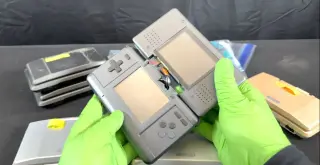
A phenomenon known as Gold Plastic Syndrome (GPS) is causing the enclosures of vintage toys and handheld consoles, such as the Nintendo DS, to become extremely brittle and disintegrate. This issue, documented since the late 1980s, affects gold-colored plastic parts due to additives that interact with ABS plastic over time. While the exact chemical cause remains unclear, recent research suggests metal additives like titanium and chromium may contribute to structural degradation through oxidation and stress points. For devices like the DS, third-party replacement shells are a viable fix, but for toys where the plastic is the primary component, there is currently no known method to reverse the damage.

Living Cordyceps Fabric: Self-Healing, UV-Blocking Textile Developed by Chinese Researchers
science2 months ago

Living Cordyceps Fabric: Self-Healing, UV-Blocking Textile Developed by Chinese Researchers

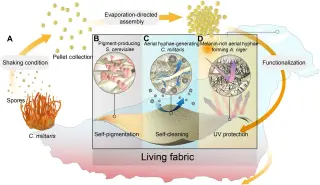
Researchers at the Shenzhen Institute of Synthetic Biology have developed a living textile using Cordyceps militaris mycelium. This fabric can self-heal when damaged, block UV radiation, and change color through embedded microbial cultures. The material fully biodegrades within 41 days, offering a sustainable alternative to traditional fabrics, though practical durability remains untested.

New Laser Experiments Reveal Diamond Melts Directly to Liquid, Skipping Predicted Phase
science3 months ago

New Laser Experiments Reveal Diamond Melts Directly to Liquid, Skipping Predicted Phase

A team led by Marius Millot at Lawrence Livermore National Laboratory has resolved a long-standing discrepancy in diamond melting physics. Using the OMEGA Laser Facility, they shocked diamond samples to pressures between 600 gigapascals and 1.8 terapascals. The experiments confirmed a melting temperature of approximately 7,300 Kelvin at 1 terapascal, aligning with theoretical predictions and correcting previous experimental errors by over 1,000 degrees. Crucially, X-ray diffraction showed that diamond retains its cubic crystal structure until it fully melts, skipping the predicted BC8 intermediate phase. This finding implies that solid diamond is less dense than the resulting liquid carbon, a property similar to ice, which has significant implications for modeling inertial confinement fusion targets and planetary interiors.

New Study Reveals Undersea Tunnel Seals Degrade 35% Faster Than Predicted
infrastructure-and-engineering3 months ago

New Study Reveals Undersea Tunnel Seals Degrade 35% Faster Than Predicted

A study from Shijiazhuang Tiedao University indicates that rubber seals in immersed tunnels degrade significantly faster than previously modeled. By simulating real-world mechanical compression alongside seawater exposure, researchers found that sealing pressure drops 35% more than expected over a century, challenging existing maintenance schedules.

New Silicon-Calcium-Iron Clathrate Discovered in Trinity Test Glass
physics-and-chemistry6 months ago

New Silicon-Calcium-Iron Clathrate Discovered in Trinity Test Glass

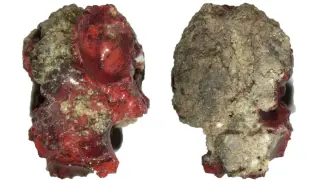
Physicists analyzing red trinitite from the Trinity test have identified a previously unknown silicon-calcium-iron clathrate, a nanoscale crystal structure formed by vaporized tower metals; confirmed with single-crystal X-ray diffraction and nanoscale imaging, this new phase could advance understanding of clathrates used in batteries, solar cells, and quantum devices, and provides a rare extreme-condition crystal for modeling.

Scientists Solve Rubber's Century‑Old Toughness Mystery
physics-and-chemistry7 months ago

Scientists Solve Rubber's Century‑Old Toughness Mystery

USF engineers simulated reinforced rubber—rubber with carbon black—and published in Proceedings of the National Academy of Sciences, showing that carbon black creates a Poisson’s ratio mismatch that prevents thinning and boosts volume, stiffness, and strength; by combining particle networks, sticky interactions, and space-filling effects, they offer a unified explanation that could reduce design trial-and-error and improve safety for critical infrastructure.

Lab-Forged Pure Hexagonal Diamond Outclasses Natural Diamond
science8 months ago

Lab-Forged Pure Hexagonal Diamond Outclasses Natural Diamond

Chinese researchers at Zhengzhou University report the first laboratory-made pure hexagonal diamond (lonsdaleite), a carbon form that is harder and more oxidation-resistant than cubic natural diamond; produced by compressing graphite under extreme pressure and heat and confirmed by spectroscopy and simulations, with potential applications in cutting tools, abrasives, heat management and quantum sensing, and published in Nature in March 2026.

Stand-off Nuclear Detonation Emerges as a Viable Path to Deflect Asteroids, Says New Study
science9 months ago

Stand-off Nuclear Detonation Emerges as a Viable Path to Deflect Asteroids, Says New Study

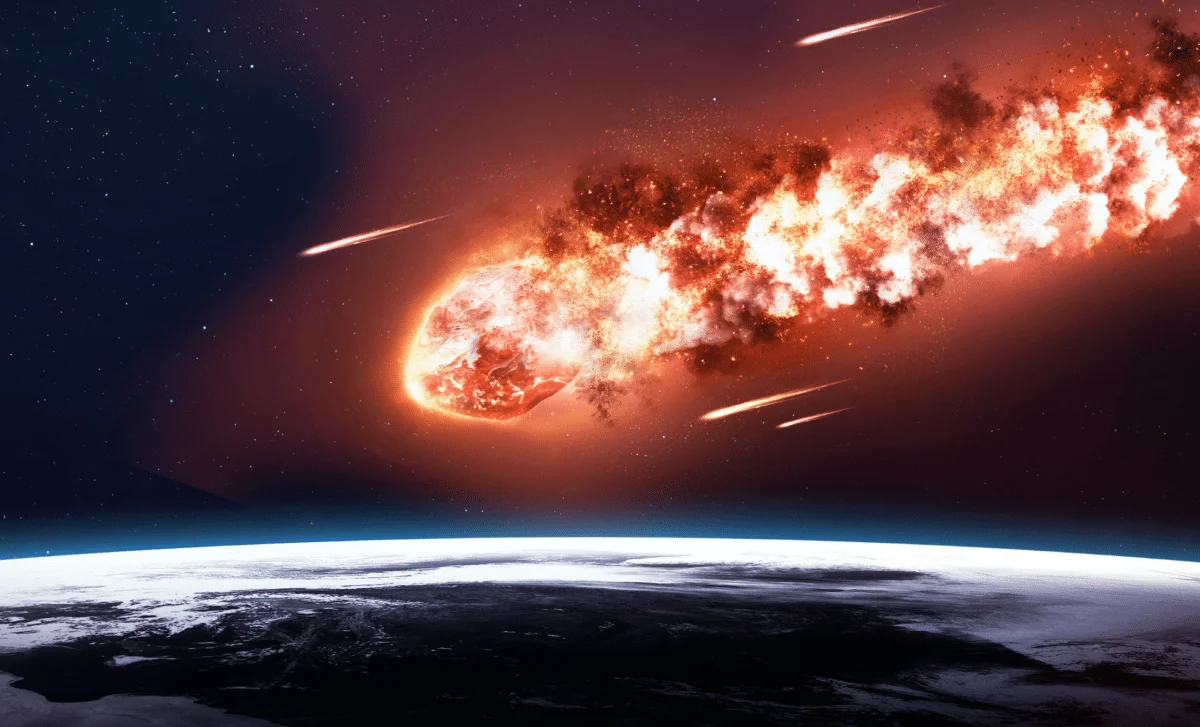
A Nature Communications study suggests that some asteroids may actually strengthen when stressed and that a stand-off nuclear detonation could alter an asteroid's trajectory without fragmentation, offering a new approach to planetary defense; however, real-world validation is difficult and relies on precise data and simulations rather than tests on actual asteroids.

Scientists Develop Material and Structures That Transform with a Single String Pull
science-and-technology11 months ago

Scientists Develop Material and Structures That Transform with a Single String Pull

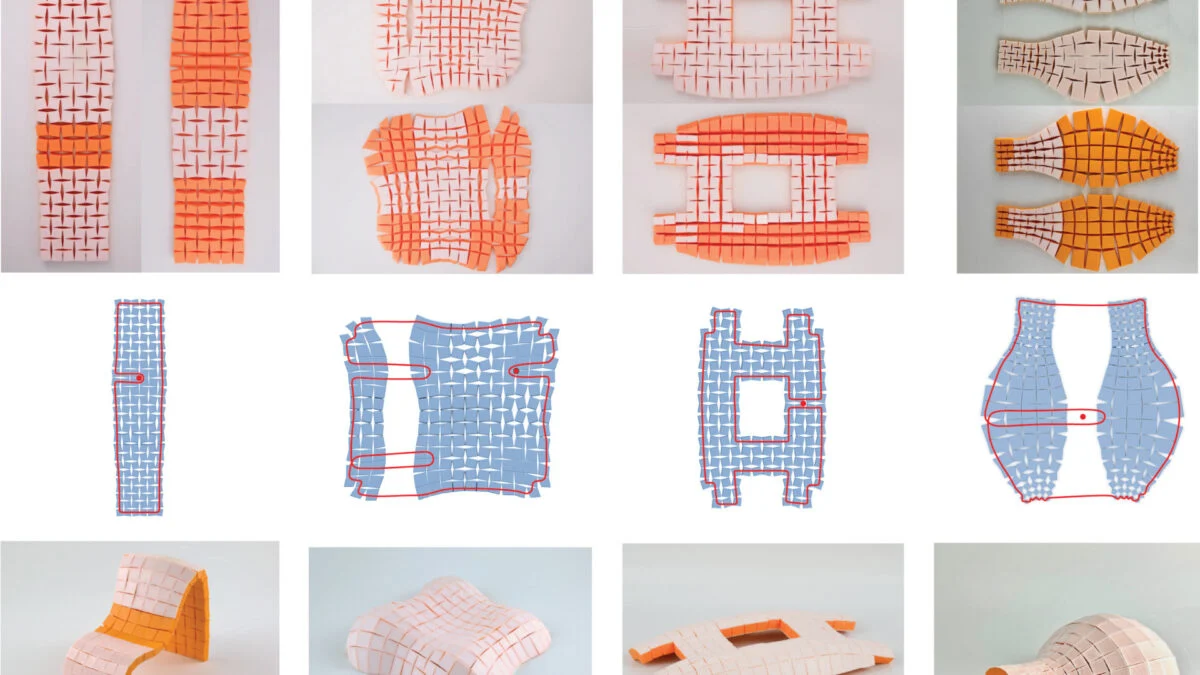
Researchers at MIT have developed a new kirigami-inspired material that can transform into various 3D structures with a simple pull of a string, enabling applications like medical devices, foldable robots, and space habitats. The process uses an algorithm to design flat grids that morph into complex shapes, demonstrating ease of use and potential for scalable deployment.