
The $59 Brick and Free Apps: The Physical Friction Movement Against Doomscrolling
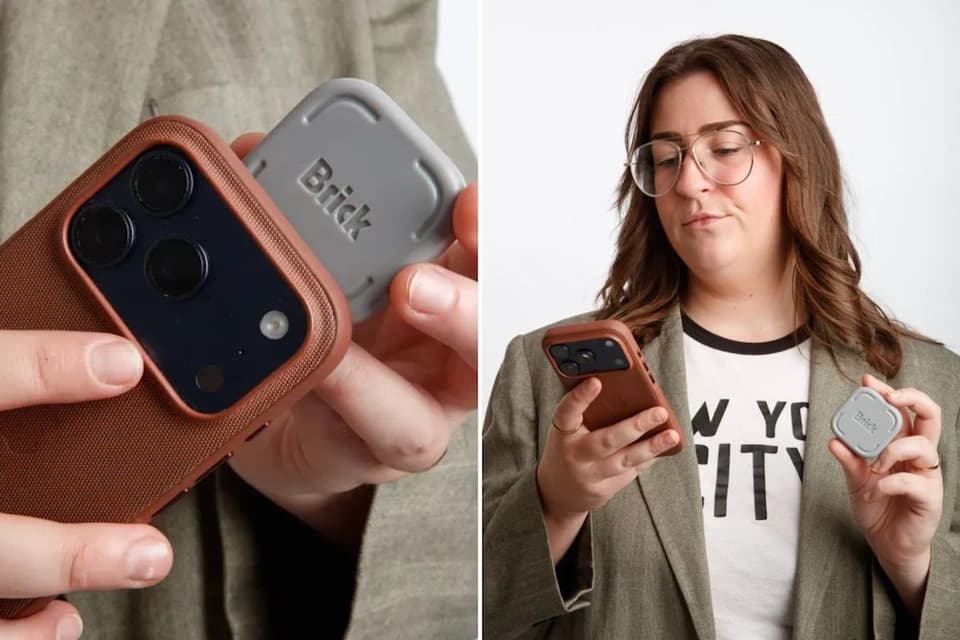
A wellness trend is emerging where consumers use physical barriers to limit smartphone usage. While the $59 'Brick' device has gained popularity for its tactile friction, experts note that free apps and built-in OS features can achieve similar results without the hardware cost.
Key points
- The 'Brick' is a $59 physical puck that uses NFC technology to block distracting apps until the user taps their phone against it.
- Critics argue the Brick is unnecessary, as free apps like Foqos (iOS) and Switchly (Android) use similar NFC or QR code triggers to create physical friction.
- Pew Research data indicates 53% of U.S. adults feel they spend too much time on their phones, with 45% having attempted to cut back in the past year.
- Fox News advises using built-in iOS 27 Screen Time and Android Digital Wellbeing tools before purchasing third-party hardware.
- The trend reflects a broader 'anti-FOMO' movement, though only 25% of those trying to reduce usage report significant success.
Background
This story follows earlier coverage of the Brick device, which was previously highlighted for helping users reclaim time for hobbies and in-person connections. It also aligns with broader discussions on mindful technology use and the psychological impact of constant connectivity.
How outlets are covering it
WIRED emphasizes the DIY nature of the trend, noting that the Brick is essentially a $59 NFC chip that can be replicated with a $1 blank tag and free software like Foqos or Switchly. In contrast, Fox News takes a more cautious approach, urging users to utilize existing operating system features like iOS 27 Screen Time and Android Digital Wellbeing before spending money on new gadgets. While WIRED focuses on the accessibility of the physical barrier concept, Fox News highlights the difficulty of maintaining discipline, citing Pew Research data that shows only a quarter of those trying to cut back are successful. The primary source from AT&T appears to be a technical error page and provides no editorial content, so its perspective is disregarded in favor of the substantive reporting from WIRED and Fox News.
Why it matters
The rise of physical blocking devices signals a shift in how consumers approach digital addiction, moving from software-based limits to tangible, environmental friction. This trend highlights the inadequacy of willpower alone in combating algorithmic engagement and offers a practical, low-cost alternative for those struggling with screen time.
What to watch
Expect continued growth in the market for digital wellness gadgets and a rise in open-source, free alternatives that mimic premium hardware. As iOS 27 and Android updates expand built-in blocking features, the debate over whether physical barriers are necessary or merely a niche luxury will likely intensify.
- Is everyone Bricking their phones without you? The anti-FOMO (and anti-doomscroll) wellness craze Currently.com
- You Don’t Need to Pay for Distraction-Blocking Software WIRED
- Is everyone bricking their phone to stop doomscrolling? Fox News
- People are ‘bricking’ their smartphones on purpose to stop doomscrolling fastcompany.com
- Digital Detox Is Getting Bigger as People Push Back Against Constant Phone Use Woman's World
Want the full story? Read the original reporting
Read on Currently.com