
Apple's $79 iPhone Duo Case Relies on Adhesive, Not Magnets
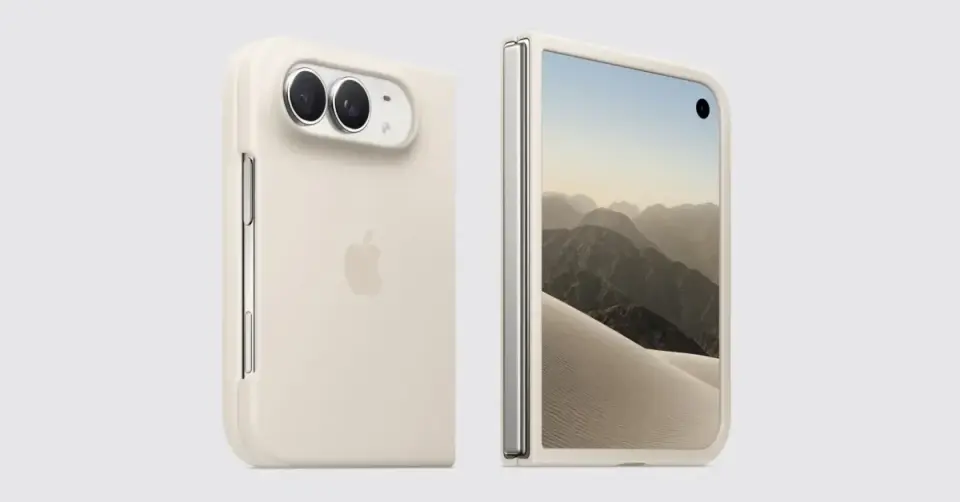
Apple's official $79 silicone case for the iPhone Duo uses adhesive strips rather than magnets to attach to the device. While this design choice ensures a secure fit, it complicates removal and limits flexibility for users who prefer caseless use or frequent swapping. The alternative $129 folio case uses magnets but covers the outer display. Third-party options offer varied protection levels without adhesive constraints.
Key points
- The $79 iPhone Duo case requires peeling adhesive strips to attach to the phone, a design choice that may hinder easy removal or case swapping.
- Apple offers a $129 folio case with a kickstand that uses magnets but covers the outer display, presenting a different trade-off.
- Third-party cases from brands like Spigen, Torras, and OtterBox provide alternatives with varying levels of hinge protection and MagSafe compatibility.
- iPhone Duo pre-orders opened on October 16, 2026, with initial stock selling out quickly, pushing some orders to 2027 delivery dates.
- The device launches on October 23, 2026, at a starting price of $1,999.
Background
Apple's iPhone Duo, its first foldable phone, launched pre-orders on October 16, 2026. The device is priced at $1,999 and is scheduled for release on October 23, 2026. The accessory market for the iPhone Duo has been divided between minimalist designs that preserve the device's slim profile and rugged options that offer comprehensive protection, including hinge guards. Previous coverage noted that the case market includes options ranging from $16 to $129, with varying levels of MagSafe compatibility and hinge protection.
How outlets are covering it
9to5Mac highlights the adhesive requirement as a potential drawback for users who want to swap cases or use the phone without a case, noting that the adhesive may lose effectiveness after removal. PhoneArena emphasizes the same adhesive issue but also points out that the $129 folio case, while using magnets, covers the outer display, which it describes as a significant compromise. AppleInsider focuses on third-party alternatives, detailing options from Spigen, Torras, ESR, and OtterBox that offer various levels of protection and MagSafe compatibility without adhesive constraints. All three sources agree that the adhesive design is a notable feature of Apple's official case, but they differ in their emphasis on the trade-offs and alternatives.
Why it matters
The adhesive design of Apple's official case could affect user experience and satisfaction, particularly for those who prefer flexibility in case usage. The availability of third-party options provides alternatives, but the initial stock of the iPhone Duo has sold out quickly, with some orders pushed to 2027, indicating high demand and potential supply issues. The choice of case design may influence consumer decisions and perceptions of Apple's foldable strategy.
What to watch
The iPhone Duo is scheduled to launch on October 23, 2026. Users who pre-ordered may face delays, with some orders pushed to 2027. Apple is expected to manufacture more units to meet demand, but the initial stock has sold out quickly. Third-party case options are available immediately, providing alternatives for those who prefer not to use the adhesive-backed Apple case.
- PSA: Apple’s official silicone iPhone Duo case will require adhesive to stick 9to5Mac
- iPhone Duo accessories: Here are five top picks for Apple’s foldable 9to5Mac
- Apple's new $79 iPhone Duo case requires actual glue to stay on your phone PhoneArena
- Don't let iPhone Duo go unprotected, these are the best case options so far AppleInsider
- Apple’s iPhone Duo Folio with Kickstand costs $129, the iPhone Duo Case $79 The Mac Observer
Want the full story? Read the original reporting
Read on 9to5Mac