
Dell Expands Googlebook Lineup with Budget-Friendly Snapdragon X Plus Models
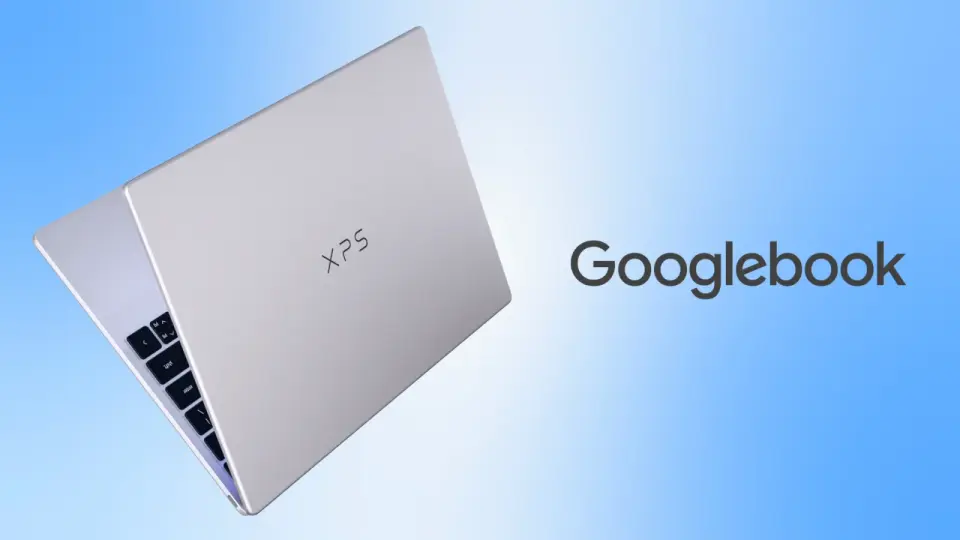
Dell is preparing a broader Googlebook lineup beyond its premium XPS model, introducing two new devices codenamed 'Annite' and 'Pic' powered by the 8-core Snapdragon X Plus. These machines, derived from the high-end 'Mica' board, target the $599-$799 price range while retaining full 45 TOPS AI capabilities. This move signals a shift toward mainstream affordability for Google's new desktop ecosystem, contrasting with the premium focus of initial leaks.
Key points
- Dell has introduced two new Googlebook development boards, 'Annite' and 'Pic', in the Chromium Gerrit repository, indicating a push into the mid-range market.
- Both new devices utilize the 8-core Snapdragon X Plus (X1P-42-100) processor, a step down from the 12-core Snapdragon X Elite found in the premium Dell XPS 13 Googlebook.
- The new boards retain key hardware features from the premium 'Mica' baseboard, including an integrated fingerprint sensor and an all-USB-C port layout, but reduce the base clock speed to 75 MHz for better power efficiency.
- Despite the lower-tier processor, the Snapdragon X Plus maintains the same 45 TOPS Hexagon NPU as the Elite version, ensuring full support for local AI features like screen reasoning and audio transcription.
- The pricing strategy for these new models is estimated to fall between $599 and $799, aiming to capture mainstream buyers who may find the initial premium Googlebooks too expensive.
Background
Google announced the Googlebook ecosystem in May 2026, initially focusing on high-end hardware from partners like HP, ASUS, and Acer. Previous leaks highlighted premium models such as the Dell XPS 13 Googlebook, which features a 13.4-inch OLED display and the Snapdragon X Elite. The new 'Annite' and 'Pic' boards represent a strategic expansion into more affordable segments, potentially reviving Dell's consumer branding like Inspiron or Latitude for the Googlebook era. This follows a trend of increasing hardware capabilities in Chromebooks, with recent models like the Lenovo Chromebook Plus 14 already offering specs that outpaced traditional Chromebooks.
How outlets are covering it
Chrome Unboxed emphasizes the strategic importance of Dell's move to expand the Googlebook lineup beyond premium tiers, highlighting the retention of full AI capabilities in the more affordable Snapdragon X Plus models. The outlet views this as a positive step toward making Google's new desktop ecosystem accessible to mainstream consumers. Gizmodo, on the other hand, questions the necessity of such powerful hardware in Googlebooks, noting that Chromebooks historically did not require high-end chips. Gizmodo raises concerns about the availability of native apps to utilize these capabilities, suggesting that the value of these powerful machines may be limited without a robust software ecosystem. The two outlets differ in their focus: Chrome Unboxed highlights the hardware and pricing strategy, while Gizmodo questions the practical utility and software support for the new devices.
Why it matters
The introduction of more affordable Googlebooks with full AI capabilities could make Google's new desktop ecosystem more accessible to a wider audience. By retaining the same NPU performance as premium models, Dell's new devices offer a compelling value proposition for consumers who want advanced AI features without the high price tag. This move could also pressure other OEMs to offer similar mid-range options, potentially driving down prices and increasing competition in the laptop market. Additionally, the success of these mid-range Googlebooks could influence the future direction of ChromeOS and AluminumOS, potentially leading to more robust software support and a wider range of native applications.
What to watch
The next steps for Dell's Googlebook lineup will likely involve the release of more detailed specifications and pricing for the 'Annite' and 'Pic' models. As firmware locks approach, more information about the software and hardware configurations will become available. Google may also announce additional partners and models to further expand the Googlebook ecosystem. The success of these mid-range devices will depend on the availability of native apps and the overall user experience, which will be crucial in determining whether Googlebooks can compete with Windows and macOS laptops in the mainstream market.
- Dell’s more-affordable Snapdragon X Plus Googlebook lineup comes into focus Chrome Unboxed
- Clarifying Google’s three-tier strategy for the Googlebook era Chrome Unboxed
- Googlebooks May Soon Overpower Any Chromebook, If That Matters gizmodo.com
- ASUS Googlebook “Lapis” leaks with Core Ultra 5 325 and Core Ultra 7 355 VideoCardz.com
- 5 reasons I'm buying a Googlebook on day one Pocket-lint
Want the full story? Read the original reporting
Read on Chrome Unboxed