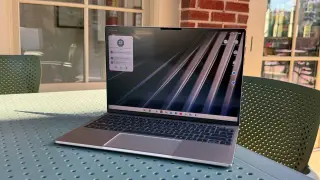
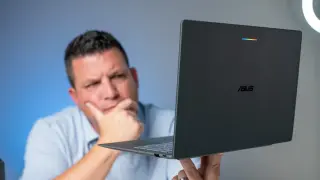
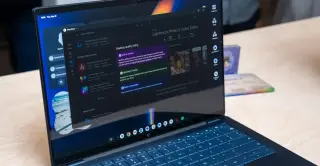
One month after launch, Googlebook devices offer premium hardware but suffer from software regressions. While the platform excels at Android integration, it lacks mature desktop features, causing a divide in critical reception.
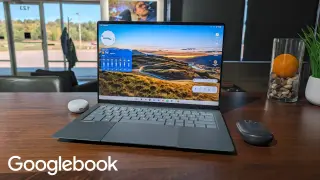
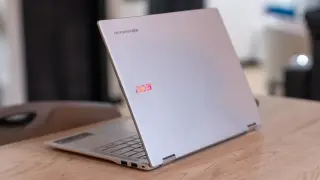
The $1,000 Dell XPS Googlebook features excellent hardware but suffers from a half-baked operating system. Engadget rates it 6.5/10, citing poor app compatibility and battery issues, while BGR highlights fragmentation problems between Intel and Arm chips.
Google’s new Googlebook laptops, priced from $899 to $1,299, feature premium hardware but suffer from significant software limitations. While the devices offer superior displays and phone integration, the Android 17-based operating system lacks essential productivity features found in ChromeOS and macOS, leading to mixed reviews and criticism for failing to match the performance of cheaper Chromebooks or Apple’s MacBook Air.
Google's new Googlebook laptops feature premium hardware but suffer from significant software limitations, with reviewers noting that the Android-based OS lacks desktop maturity and third-party app optimization.
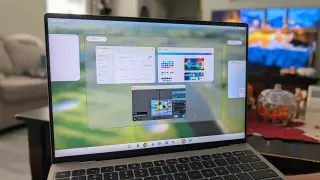
Google's new Android-based Googlebook laptops offer superior hardware and native app support but suffer from a regressed software experience. Reviewers report that the virtual desktop feature lacks basic controls found in ChromeOS, such as trackpad gestures and window dragging, while many Android apps remain poorly optimized for laptop use.
Google's new Googlebook laptops feature premium hardware but suffer from a buggy software experience. While the devices offer excellent displays and battery life, the transition from ChromeOS to Android-based Googlebook OS has resulted in significant usability issues, including poor app optimization and inconsistent phone integration.
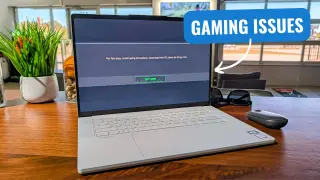
Google's new Googlebook laptops, launched October 4, 2026, are facing immediate software compatibility issues. While the hardware is powerful, major Android games are blocked or flagged as emulators, and phone integration features currently work only with Pixel devices, not Samsung phones.
Google has reintroduced Android’s classic physical navigation buttons on Googlebook laptops by mapping the back, home, and app switcher functions to the F1, F2, and F3 keys. This change aims to improve usability for Android apps that lack full desktop optimization, offering a familiar interface for users transitioning from mobile devices.
Google launched its new Googlebook laptop line on October 4, 2026, featuring five models from Acer, ASUS, Dell, HP, and Lenovo. Priced between $899 and $1,299, these devices run a new hybrid operating system that merges Android with ChromeOS foundations. The laptops feature premium hardware, including 16GB of RAM, OLED displays, and integrated Gemini AI tools. While the devices offer seamless integration for Android users, they are not cheaper than Windows laptops and lack support for specialized Windows software. Early reviews praise the hardware quality but note a steep learning curve for the new operating system.
Google has officially launched the Googlebook, a new line of premium laptops running a revamped Android-based OS. While hardware quality is praised for its build and display, the new software presents a significant learning curve for users accustomed to ChromeOS.
Google has officially confirmed via enterprise documentation that standard ChromeOS updates will continue through mid-2034. The company also stated that many recent Chromebook models will be eligible to migrate to the new Android-based Googlebook OS. This roadmap aligns with previous statements from Google executives earlier in 2026 and coincides with the October 4, 2026, retail launch of the first Googlebook laptops from Acer, ASUS, Dell, HP, and Lenovo.
Google has officially launched its new Android-based laptop line, Googlebook, featuring a high-profile partnership with actor Henry Cavill to develop a video game by November. The devices, starting at $899, emphasize AI integration and Android ecosystem sync, while Google has confirmed plans to sunset ChromeOS by mid-2034, transitioning enterprise and education users to the new platform.
Google has officially confirmed that ChromeOS support will end in mid-2034, two years earlier than previously expected. This decision coincides with the launch of the new Android-based Googlebook OS on October 4, 2026. While Google promises a 'direct migration' path for newer Chromebook models, the transition raises concerns for enterprise and education sectors due to the lack of management tools for over a year and the significant price increase from budget Chromebooks to premium Googlebooks.
Google has confirmed that newer Chromebook models will be eligible to upgrade to the new Googlebook OS, with migration details to be released soon. The company will continue supporting ChromeOS through mid-2034, after which the platform is expected to be phased out in favor of the Android-based Googlebook OS. Initial Googlebook models feature at least 16GB of RAM and touchscreens, while enterprise and education management tools are scheduled for the second half of 2027.
Google has officially confirmed that ChromeOS support will end in mid-2034, marking the beginning of the transition to its new Android-based Googlebook OS. While the first Googlebook laptops launch on October 4, 2026, Google promises that newer Chromebook models will be eligible for direct migration to the new platform. Enterprise and education management tools for Googlebook OS are expected in the second half of 2027, ensuring a phased rollout for institutional users.