
Garmin’s Data Moat Faces AI Challenges from Big Tech and Rivals
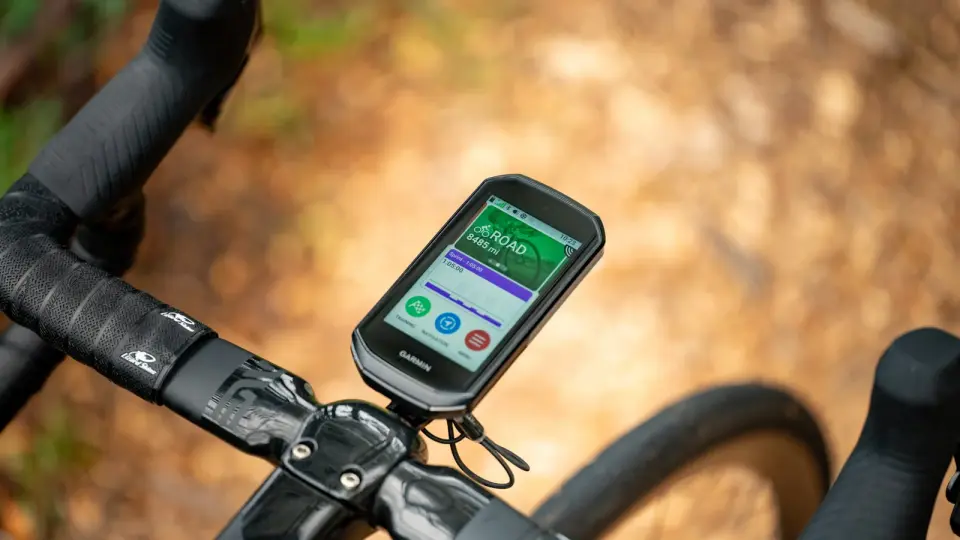
Garmin holds a significant advantage in cycling data due to its extensive ecosystem and recent acquisitions of TrainingPeaks and TrainHeroic. However, the company faces stiff competition from Wahoo, Coros, and Big Tech giants like Apple and Google, who are leveraging AI to challenge Garmin’s dominance. The key question is whether Garmin can effectively utilize its data assets to maintain its lead in an evolving market.
Key points
- Garmin has built a comprehensive data ecosystem through acquisitions like MetriGear, Tacx, and Firstbeat Analytics, giving it a strong advantage in cycling data.
- Wahoo and Coros are catching up, with Coros partnering with Wahoo to fill gaps in their offerings, though friction between the two may affect their collaboration.
- Big Tech companies like Apple, Google, and Samsung are developing health and fitness ecosystems with AI capabilities that could disrupt traditional cycling tech brands.
- Garmin’s recent acquisition of TrainingPeaks and TrainHeroic aims to enhance its coaching capabilities, but the company has struggled to leverage its data effectively with user-friendly AI features.
- The future of cycling tech may depend on how well companies can integrate AI with their data, potentially rendering traditional walled gardens obsolete.
Background
Garmin has been a key player in cycling technology since the mid-2000s, known for its data-driven approach. The company’s recent acquisitions, including TrainingPeaks and TrainHeroic, aim to strengthen its position in the market. Meanwhile, competitors like Wahoo and Coros are making strides, with Coros launching premium products like the Dura 2 Solar. Big Tech companies are also entering the space, leveraging AI to challenge established players.
Why it matters
The competition for cycling data is intensifying as AI becomes a crucial factor in the market. Garmin’s ability to leverage its data assets will determine whether it maintains its lead or falls behind to competitors and Big Tech giants. This shift could redefine the cycling tech landscape, making data and AI more important than hardware.
What to watch
Garmin must effectively utilize its data assets to maintain its competitive edge. The company may need to develop user-friendly AI features or form partnerships to stay ahead. Meanwhile, Wahoo and Coros will continue to close the gap, and Big Tech companies will leverage AI to challenge traditional cycling tech brands. The outcome of this competition will shape the future of cycling technology.
Want the full story? Read the original reporting
Read on Outside Magazine