Tag

Garmin

All articles tagged with #garmin

Garmin Fenix 9 Pro May Switch to Titanium Body, 51mm Variant Eyed for 1.5-Inch Display
technology19 hours ago

Garmin Fenix 9 Pro May Switch to Titanium Body, 51mm Variant Eyed for 1.5-Inch Display

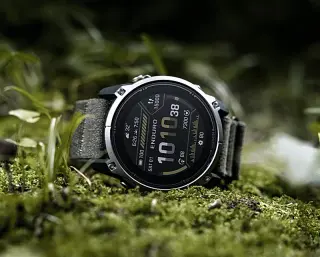
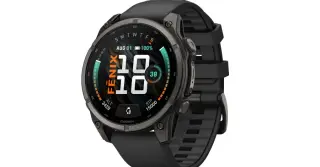
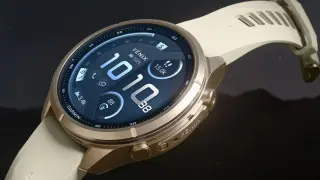
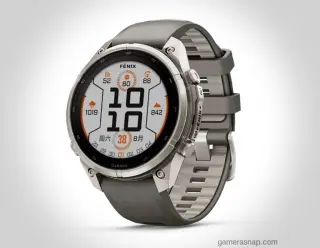
Garmin Rumors suggests the Fenix 9 Pro will adopt a full titanium case (a first for the line), while the standard Fenix 9 reportedly sticks with the Fenix 8 design. The 51 mm model is expected to gain a larger 1.5-inch display, a departure from the 1.4-inch panel on the old 51 mm. InReach connectivity distinctions will determine satellite/LTE options, with base Fenix 9 unlikely to include inReach. Pricing is anticipated to align with current Fenix 8/8 Pro pricing, with an official reveal tied to Garmin’s Play Harder livestream.

Garmin’s Fenix 9 Family Expands to 18 Models Ahead of August 25 Reveal
technology1 day ago

Garmin’s Fenix 9 Family Expands to 18 Models Ahead of August 25 Reveal

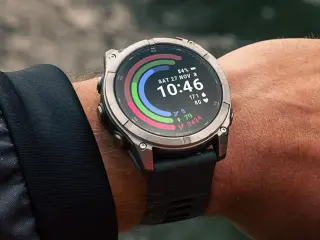
Garmin is leaking a massive 18-model Fenix 9 lineup across 43/47/51mm sizes with Pro and Solar variants, some non-Pro models reportedly adding InReach LTE/satellite connectivity; European pricing hints around €1,100–€1,185 and U.S. pricing likely above $1,200, as Garmin gears up for an August 25 Play Harder event that could also hint at related Enduro 3 and Fenix E updates.

Garmin Fenix 9 leak hints at three-size lineup with AMOLED, Solar, and inReach
technology1 day ago

Garmin Fenix 9 leak hints at three-size lineup with AMOLED, Solar, and inReach

A Czech retailer leak suggests Garmin Fenix 9 will come in 18 configurations across 43, 47, and 51 mm, with separate AMOLED and Solar options and widespread inReach connectivity. The 43 mm line appears AMOLED-only with inReach, while 47/51 mm models pair AMOLED and AMOLED‑inReach as well as Solar variants. Pricing hints show modest increases vs Fenix 8, especially for Solar inReach models. No MicroLED yet. Garmin’s Play Harder event on Aug 25 is anticipated and the listings were briefly pulled (now returning 404) but remain visible in search results.

Garmin Eyes HUD Glasses as MicroLED Tech Goes Real
technology2 days ago

Garmin Eyes HUD Glasses as MicroLED Tech Goes Real

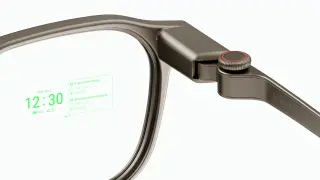
RayNeo’s iO smart glasses prove microLED HUDs are now feasible: a 33-gram frame, up to 48 hours of typical use, 0.6mm monochrome green MicroLED in a waveguide with 97% eye-transparency and up to 1,300 nits, priced at $479 and shipping Sept 4; they show notifications, schedules, translations and teleprompter text with no camera. For Garmin, the underlying tech could enable a Varia Vision successor, but challenges remain for outdoor visibility, sport-specific software, controls, durability and prescription compatibility, while Engo currently leads the sports HUD space and RayNeo’s display tech aligns with or undercuts rivals on weight, battery life, and price.

Garmin Instinct 3 AMOLED Sees Record-Low Price: $150 Off
technology3 days ago

Garmin Instinct 3 AMOLED Sees Record-Low Price: $150 Off

The Garmin Instinct 3 (AMOLED) is at its lowest price ever, about $150 off MSRP and available at major retailers (Amazon, Dick’s, Garmin, Best Buy, etc.). The rugged smartwatch packs a bright AMOLED display, built‑in flashlight, and up to 18 days of battery life, with multiple sizes and versions (AMOLED, solar, tactical) on sale, making it a strong deal ahead of marathon season and back-to-school shopping; several other Garmin watches are also discounted.

Apple Holds Top Spot in Smartwatches as Garmin and Samsung Narrow the Gap
technology8 days ago

Apple Holds Top Spot in Smartwatches as Garmin and Samsung Narrow the Gap

Apple still dominates the global smartwatch market (about 46% in Q2 2026, down from 48% a year earlier), but Garmin is effectively tied with Samsung for a close second at around 15%. Huawei and Xiaomi are also prominent in wearable rankings, and Google’s Fitbit Air is positioning for growth in a value-focused segment. The broader wearables market saw a slight year-on-year decline, though momentum from Apple, Garmin, and Google/Fitbit could help a rebound in the next quarter.

Garmin Cirqa vs Fitbit Air: Is the pricier, feature-packed tracker worth it?
technology13 days ago

Garmin Cirqa vs Fitbit Air: Is the pricier, feature-packed tracker worth it?

Garmin Cirqa ($200) and Fitbit Air ($100) are screenless wearables offering similar basics (steps, sleep, workouts) but Cirqa adds longer battery life (up to 10 days vs 7), a manual workout start button, and deeper analytics (Training Status, Body Battery, Training Readiness, Fitness Age) while Air emphasizes wellness with a Daily Readiness score and AI coaching. Both rely on phone GPS, have 50m water resistance, and offer subscriptions (Garmin Connect+ vs Google Health Premium). For casual users, Air is cheaper and lighter; for serious athletes, Cirqa’s richer analytics may justify the price over time.

What a VO2 Max Test Reveals About Your Real Running Heart Rates
health22 days ago

What a VO2 Max Test Reveals About Your Real Running Heart Rates

A runner undergoes a VO2 max test to pin down her true heart-rate zones, learning that generic formulas like MHR=220-age and standard zone splits often misalign with an individual’s physiology. The findings show Garmin and Strava zones can be closer to VO2 max results after manual adjustment, and that VO2 max is trainable while RPE remains a useful fallback. The piece emphasizes using personalized data rather than chasing fixed numeric targets.

Garmin's Autoland arrives on Embraer Phenom EV300, expanding emergency-landing tech
technology29 days ago

Garmin's Autoland arrives on Embraer Phenom EV300, expanding emergency-landing tech

Garmin's Autoland emergency-landing system can take control of a plane to guide it to the nearest safe airport and notify ATC and passengers; Embraer is adding Autoland to the Phenom EV300—the largest aircraft yet to use the tech—joining about 2,000 aircraft from Piper, Cirrus and Daher, with Cessna CJ4s to come. After about 800 test flights, its first real-world use occurred last December on a Beechcraft King Air 200 charter when the crew allowed Autoland to descend and land safely due to rapid depressurization; the system can be activated by button or pressurization loss and will display an automated landing status to controllers and passengers. The Payne Stewart crash helped spur development, and Garmin hopes larger airliners will one day adopt it as aerospace designs evolve.