
Google extends Gemini Personal Intelligence to Android Auto and built-in car systems
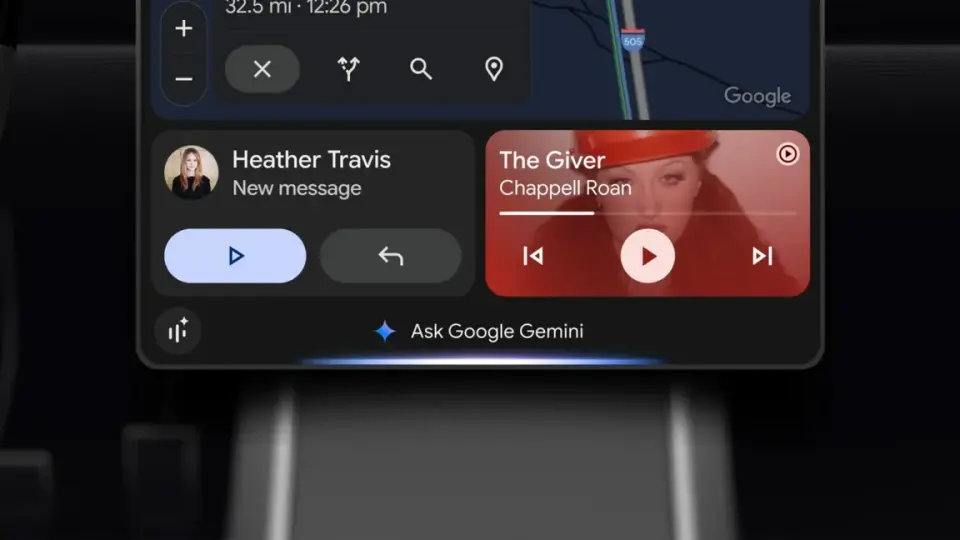
Google is rolling out Personal Intelligence to Android Auto and Google built-in vehicles, allowing Gemini to access user data from Gmail, Calendar, and Photos for tailored responses. The feature is optional, off by default, and excludes the EEA, UK, Switzerland, and Nigeria.
Key points
- Personal Intelligence launches on Android Auto today, with Google built-in cars following in the coming months.
- The feature enables Gemini to retrieve specific details from connected apps like Gmail, Calendar, and Photos to answer complex queries without manual input.
- Users can toggle access for specific app groups, including Workspace, Search, and YouTube, within the Gemini settings.
- The rollout excludes users in the European Economic Area, Switzerland, the United Kingdom, and Nigeria.
- Google states that personal data used for Personal Intelligence is not used to train foundational AI models.
Background
Personal Intelligence was introduced in early 2026 as a paid feature for Gemini users, expanding to free accounts in March. It allows the AI to synthesize information from various Google services to provide more accurate, personalized answers. This latest update extends that capability to in-car environments, building on the replacement of Google Assistant with Gemini in vehicles late last year.
How outlets are covering it
Ars Technica emphasizes privacy concerns, noting that users may not realize they have already enabled data sharing in the Gemini app, which transfers to Android Auto. It highlights the risk of personal data being exposed to other passengers. Engadget focuses on the practical benefits, such as checking flight gates or finding restaurants based on dietary restrictions without pulling over. ZDNET offers a mixed view, acknowledging the convenience of context-aware responses but questioning whether deeper data access might slow down response times in areas with poor signal. Google's official blog frames the feature as a privacy-first enhancement, stressing that users control which apps are connected and that the feature is off by default.
Why it matters
This expansion deepens Google's integration of AI into daily life, particularly in high-stakes environments like driving. By leveraging personal data for navigation and information retrieval, Google aims to differentiate its AI from competitors. However, the move raises significant questions about data privacy and user awareness, especially as settings from personal devices carry over to shared car environments.
What to watch
Google plans to extend Personal Intelligence to cars with Google built-in in the coming months. The company is also expected to clarify whether these vehicles will have a dedicated settings interface for the feature. Users are advised to audit their Gemini settings to ensure they are comfortable with the data being shared.
- Gemini's Personal Intelligence is coming to cars Ars Technica
- Google is bringing a more personal version of its Gemini AI assistant to your car TechCrunch
- Google Brings Gemini Personal Intelligence To Android Auto Engadget
- Gemini on Android Auto can access my photos, emails, and calendar now - why I'm OK with that (mostly) ZDNET
- Get hands-free personalized help on the road with Gemini blog.google
Want the full story? Read the original reporting
Read on Ars Technica