
iPhone 18 Pro Max Uses Firmware Cap to Navigate 20Wh Shipping Rules
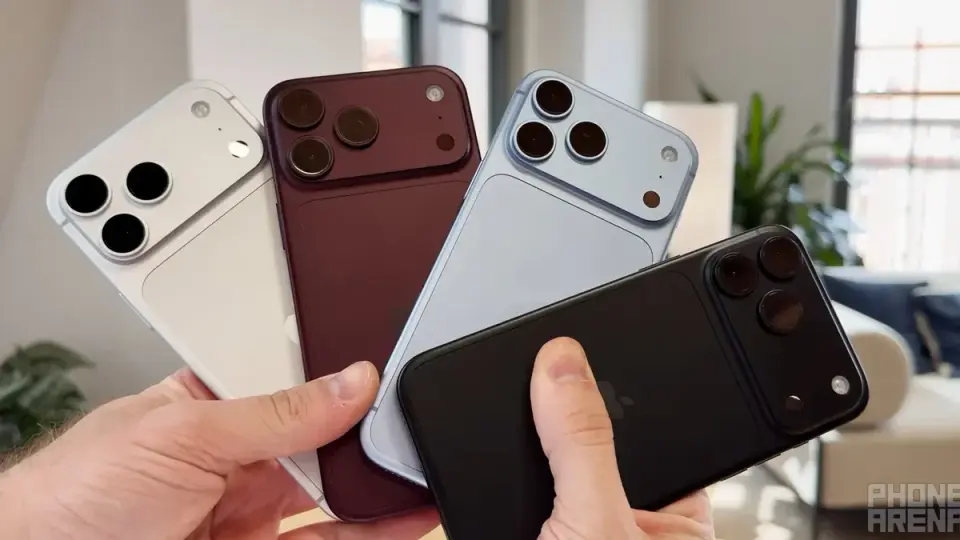
Apple has implemented a firmware-based workaround for the iPhone 18 Pro Max to comply with international shipping regulations for lithium-ion batteries exceeding 20 watt-hours (Wh). The device ships with a software limit that caps battery capacity below 20Wh. This restriction is automatically removed when the user activates the phone, restoring the full rated capacity of 21.75Wh for US eSIM models and 21.06Wh for EU versions. For users needing to ship the device for repair or trade-in, a new 'Prepare to Ship' feature in Settings discharges the battery to meet regulatory thresholds. This measure is specific to the Pro Max, as other iPhone models do not exceed the 20Wh single-cell limit.
Key points
- The iPhone 18 Pro Max features a single-cell battery exceeding 20Wh, triggering stricter Class 9 Dangerous Goods shipping regulations in many regions.
- Apple uses an 'innovative battery-firmware solution' to limit capacity below 20Wh during manufacturing and transport, automatically lifting the cap upon first activation.
- A new 'Prepare to Ship' option in Settings allows users to discharge the battery and cap charging at 80% for 14 days to comply with shipping rules for repairs or trade-ins.
- The US transport regulator approved this shipping method in June 2025, while other bodies like ADR, IATA, and ICAO have not yet officially ruled, though the phone is already on sale in the EU.
- The process may cause the device to heat up during discharge, and undoing the shipping preparation may involve a 14-day waiting period depending on the initial reason for activation.
Background
This development follows earlier rumors about the iPhone 18 Pro Max's hardware specifications, including a 2nm A20 Pro chip and variable-aperture camera. Previous coverage in September 2026 highlighted that Apple's approach to the 20Wh limit was a significant regulatory hurdle, with the US approval in 2025 setting a potential precedent for future large-battery devices. The current situation reflects ongoing efforts by regulatory bodies to update the 20Wh boundary, which is increasingly seen as obsolete for single-cell batteries, with policy updates expected by 2029.
How outlets are covering it
PhoneArena and MacRumors emphasize the practical implications for consumers, detailing the 'Prepare to Ship' process and the potential for device heating during discharge. GSMArena focuses on the regulatory landscape, noting that while the US approved the method, other international bodies have not yet ruled, though the phone's availability in the EU suggests implicit acceptance. BGR, while not directly addressing the shipping issue, highlights the importance of compatible chargers, noting that the iPhone 18 Pro series requires SPR AVS support to achieve fast charging speeds, which may be relevant for users managing battery health. Community reactions, as noted by PhoneArena, express skepticism about the necessity of the feature, with some users questioning why Apple did not split the battery into multiple cells to avoid the issue entirely.
Why it matters
This firmware workaround sets a potential precedent for how manufacturers can navigate existing shipping regulations for high-capacity batteries. It may influence future regulatory discussions and could lead to fewer regulatory hurdles for large-battery devices in the US and EU markets. Additionally, it highlights the growing complexity of consumer electronics compliance with international shipping standards, potentially affecting how other manufacturers approach battery design and shipping logistics.
What to watch
Regulatory bodies are expected to update the 20Wh boundary by 2029, which could simplify shipping requirements for single-cell batteries. Apple may continue to use similar firmware solutions for future devices with large batteries, or they may adopt multi-cell designs to avoid regulatory issues. Consumers should be aware of the 'Prepare to Ship' feature when shipping their devices for repair or trade-in, and may need to wait up to 14 days to undo the shipping preparation.
- The iPhone 18 Pro Max ships to you with a smaller battery than advertised. But it's okay PhoneArena
- I tested the iPhone 18 Pro Max battery against the Galaxy S26 Ultra, and I did not expect this PhoneArena
- Here's the clever new way Apple used to get around shipping restrictions for the iPhone 18 Pro Max's large battery - GSMArena.com news GSMArena.com
- 4 Of The Best 60W Fast-Charging Adapters For The iPhone 18 Pro Series bgr.com
- iPhone 18 Pro Max Requires 'Prepare to Ship' Battery Drain Before Shipping MacRumors
Want the full story? Read the original reporting
Read on PhoneArena