
Meta's New Patent Details AI Glasses That Auto-Tag Faces and Record Videos
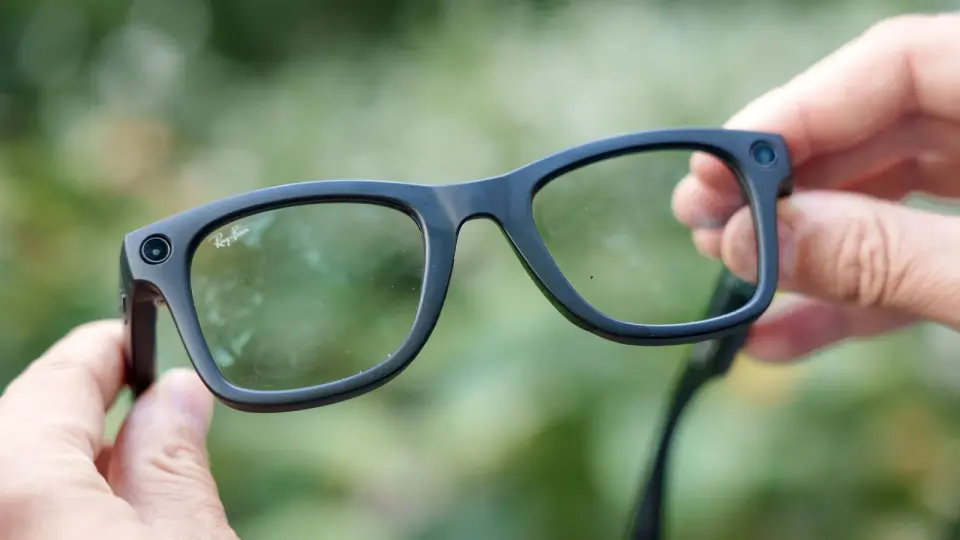
Meta has filed a patent for smart glasses that use AI to identify people, detect actions, and automatically generate video clips. The filing, made public in August 2026, includes 44 pages of technical details and has drawn sharp criticism from privacy advocates who warn of surveillance risks.
Key points
- Meta submitted a patent application to the US Patent and Trademark Office in February 2026, which was made public in August 2026.
- The patent describes a system that uses AI facial recognition to identify individuals in a frame and automatically create labeled video clips.
- The application includes 44 pages of drawings and descriptions, detailing how the technology could integrate with location data and online services.
- Privacy advocates, including the Center for Democracy and Technology, have criticized the patent as an escalation of privacy harms, particularly for vulnerable populations.
- Meta has not confirmed whether the patent will be granted or when, if ever, the features will be deployed in commercial products.
Background
This development follows a series of privacy concerns surrounding Meta's smart glasses, including a 2022 patent for 'smart cameras enabled by assistant systems' and recent backlash over dormant facial-recognition code in the Meta AI app. In 2026, Meta's Ray-Ban Meta glasses have faced bans in some public venues, including UK pubs and New York courtrooms, and have been nicknamed 'pervert glasses' by critics. Meta previously sold approximately 7 million units of its camera glasses in the prior year, but public reception has been mixed due to surveillance fears.
How outlets are covering it
CNET and PCMag emphasize the privacy implications, noting that Meta's patent could enable covert recording and identification in public spaces. CNET highlights criticism from the Center for Democracy and Technology, which warns that the technology could put marginalized people at risk. PCMag notes that Meta's smart glasses are already banned in some venues and that the new features are unlikely to improve the company's reputation. Tom's Guide focuses on the technical capabilities, describing how the glasses could automatically generate highlight reels from events like dinner parties. India Today, while covering a related patent on antenna design, notes that Meta's thinking around wearable technology extends beyond consumer glasses to include night-vision and aviation goggles, though it clarifies that a patent is not a product announcement.
Why it matters
The patent signals Meta's continued push into AI-driven surveillance features, raising significant concerns about consent, privacy, and the potential for misuse in public spaces. As smart glasses become more common, the ability to automatically identify and record individuals without their knowledge could lead to widespread surveillance and legal challenges. The backlash from privacy advocates and the public may force Meta to reconsider its approach or face regulatory scrutiny.
What to watch
Meta has not indicated when or if the patented features will be deployed. The patent approval process could take time, and there is no guarantee it will be granted. Privacy advocates and lawmakers may push for regulations to address the risks of AI-powered surveillance in wearable devices. Meta may face continued public backlash, as seen with previous facial-recognition features, and may need to adjust its strategy to address privacy concerns.
- Meta files patent for AI facial recognition glasses that identify people around you and record automatically Tom's Guide
- Patent Filing Suggests Meta’s Facial Recognition Glasses Are Coming CNET
- Meta Wants to Patent Tech Ready for Facial Recognition Smart Glasses PCMag
- Meta patent reveals new antenna design for smart glasses, night-vision goggles and more India Today
- Do these creepy patent drawings reveal what’s next for Meta’s smart glasses? Cybernews
Want the full story? Read the original reporting
Read on Tom's Guide