
Google Pixel Tag Launches as AirTag Rival, but Design Flaws Spark Debate
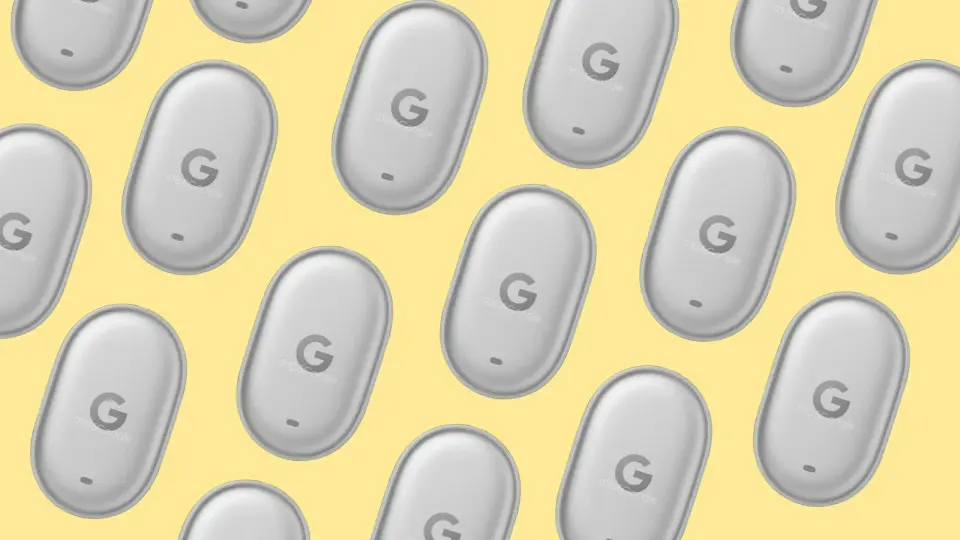
Google officially launched the Pixel Tag on August 12, 2026, alongside the Pixel 11 series. Priced at approximately $29, the device aims to compete with Apple’s AirTag by leveraging Google’s Find Hub network. While it features a built-in speaker and an oblong design, critics note the absence of a built-in lanyard hole and uncertainty regarding ultra-wideband (UWB) support. Android Authority argues that without UWB precision finding and a seamless crowd-sourced network, the tracker may struggle to match AirTag’s reliability. Lifehacker and Tech Advisor confirm the device’s existence but highlight that early leaks suggested a lack of integrated attachment points, potentially requiring users to purchase separate cases.
Key points
- The Google Pixel Tag launched on August 12, 2026, at the Made by Google event, priced around $29 or €34.90 in Europe.
- The device uses Google’s Find Hub network and includes a loud speaker for nearby item detection.
- Android Authority emphasizes that UWB support is critical for 'Precision Finding,' a feature currently lacking in early leaks.
- Critics point out the Pixel Tag lacks a built-in lanyard hole, unlike Samsung’s SmartTag 2, requiring extra accessories for key attachment.
- Find Hub requires manual activation for broad coverage, unlike Apple’s default-on Find My network, potentially reducing reliability.
Background
Prior to the August launch, leaks in July 2026 indicated Google was developing its first hardware tracker to compete with Apple’s AirTag. Earlier reports suggested the device would integrate with Find Hub, Google’s crowd-sourced location network. The launch coincided with the Pixel 11 smartphone release, aiming to fill a gap in the Google ecosystem where users previously relied on third-party trackers or Apple devices for tracking capabilities.
How outlets are covering it
Android Authority argues that the Pixel Tag must adopt UWB technology for precise direction-finding and ensure Find Hub operates seamlessly without manual user configuration to compete with Apple’s ecosystem. Lifehacker notes the device’s oval design resembles Samsung’s SmartTag but lacks a built-in attachment point, raising questions about usability. Tech Advisor confirms the launch but highlights uncertainty regarding battery life and UWB support, noting that early marketing materials emphasized privacy and speaker functionality but omitted details on advanced tracking features. All sources agree that while the Pixel Tag is a significant step for Google, its success depends on closing the gap in network reliability and hardware convenience compared to Apple’s AirTag.
Why it matters
The launch of the Pixel Tag marks Google’s first entry into the smart tracker market, challenging Apple’s dominance in this segment. For Android users, it offers a native alternative that integrates with Google’s ecosystem, potentially reducing the need for cross-platform devices. However, the device’s success hinges on whether Google can match Apple’s seamless network experience and hardware convenience, which are critical for user adoption and trust in tracking reliability.
What to watch
Google will likely provide more details on UWB support and battery specifications in upcoming updates or firmware releases. The company may also introduce promotional bundles, such as free Pixel Tags with Pixel 11 purchases, to drive adoption. Competitors like Samsung and Tile may respond with price adjustments or feature enhancements to maintain market share. Long-term, the success of the Pixel Tag will depend on user feedback regarding Find Hub’s reliability and the device’s practical usability in everyday scenarios.
- I've used AirTags for years. Google's new Pixel Tag needs these 4 things to succeed Android Authority
- This is the ‘Google Pixel Tag’ 9to5Google
- Pixel Tag pricing leak sets up a direct showdown with Apple AirTag Android Authority
- Google's Take on Apple's AirTag May Have Just Leaked Lifehacker
- Google’s brand-new Pixel accessory leaked ahead of launch Tech Advisor
Want the full story? Read the original reporting
Read on Android Authority