
Zuckoff App Detects Meta Glasses via Bluetooth, Prompting EU Inquiry
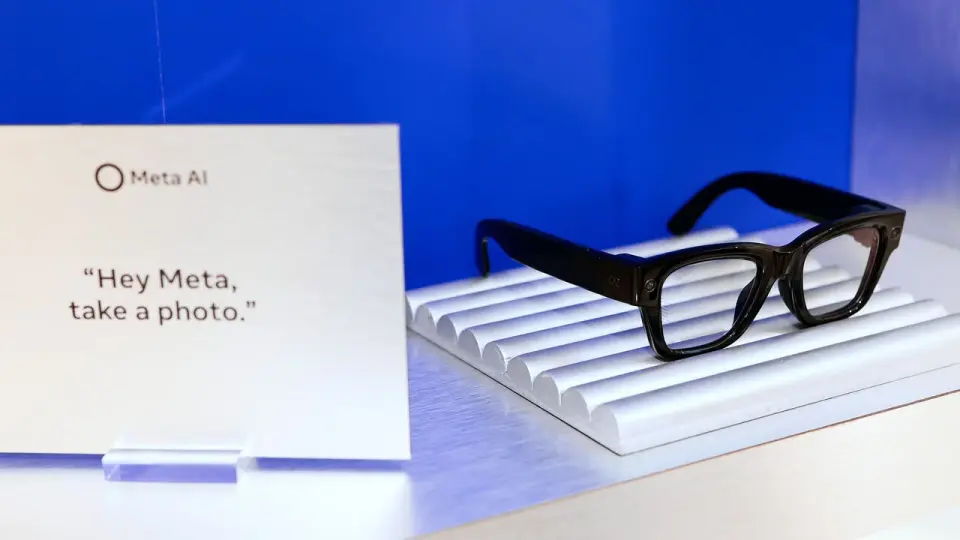
Polish developer Paweł Szydłowski has launched Zuckoff, an iPhone app that identifies nearby Meta smart glasses by analyzing Bluetooth signals. The tool, which has attracted 5,000 users since its release last month, aims to address privacy concerns regarding covert recording. While Meta defends its devices as visible, critics and regulators are increasingly scrutinizing the technology's potential for non-consensual surveillance.
Key points
- Paweł Szydłowski, a 30-year-old Polish developer, created Zuckoff to detect Meta smart glasses by matching Bluetooth identifiers and manufacturer data against known device fingerprints.
- The app estimates the distance of nearby devices and offers a paid 'Pro' version that sends background notifications when compatible glasses are detected.
- Zuckoff has gained approximately 5,000 users since launching on the Apple App Store in September 2026.
- EU regulators have contacted Szydłowski to gather more information about the app's functionality and implications.
- The development follows Meta's recent disabling of thousands of glasses units after users tampered with the LED recording indicator lights.
Background
This development follows earlier concerns raised in July 2026 regarding apps like Antizuck, which claimed similar detection capabilities but faced scrutiny over their own privacy implications. Additionally, US police agencies and federal workplaces have recently issued warnings or bans regarding the use of smart glasses for covert surveillance, highlighting a broader trend of institutional resistance to these devices.
How outlets are covering it
Outlets vary in their framing of the app's utility and the surrounding controversy. TVP World and The Verge focus on the technical mechanism of Bluetooth fingerprinting and the developer's motivation to protect public privacy. The New York Post adopts a more sensationalist tone, referring to the devices as 'perv glasses' and emphasizing harassment cases. PCMag contrasts the consumer app with Bastille Networks, a startup offering high-end, military-grade detection systems that can pinpoint devices within two to three meters, suggesting that consumer apps may be insufficient for high-security environments. All sources agree that Meta is actively defending its products while facing growing regulatory and public scrutiny.
Why it matters
The emergence of Zuckoff highlights the escalating tension between wearable technology and personal privacy. As smart glasses become more common, the ability to detect them without visual cues may become a standard consumer expectation. The interest from EU regulators signals that this issue is moving from a niche tech debate to a potential area of legislative oversight, potentially influencing future standards for wearable device transparency.
What to watch
Regulators may issue formal guidance or inquiries regarding the legality and efficacy of such detection apps. Meta may face increased pressure to enhance the visibility of its recording indicators or adjust its Bluetooth broadcasting protocols. Competing detection apps may emerge, potentially leading to a market for privacy-focused wearable monitoring tools.
- Polish developer builds app that detects nearby Meta smart glasses TVP World
- New Zuckoff app detects nearby Meta 'perv glasses:' 'right to at least know that someone is recording' New York Post
- Zuckoff, the app that detects nearby Meta glassholes. The Verge
- Worried About Snooping Smart Glasses? This Startup's Tech Detects Nearby Specs PCMag
- A Polish developer built an app that detects nearby Meta smart glasses over Bluetooth The Next Web
Want the full story? Read the original reporting
Read on TVP World