
Leakers Confirm 2028 Launch for NVIDIA RTX 60 'Rubin' Amid Memory Crisis
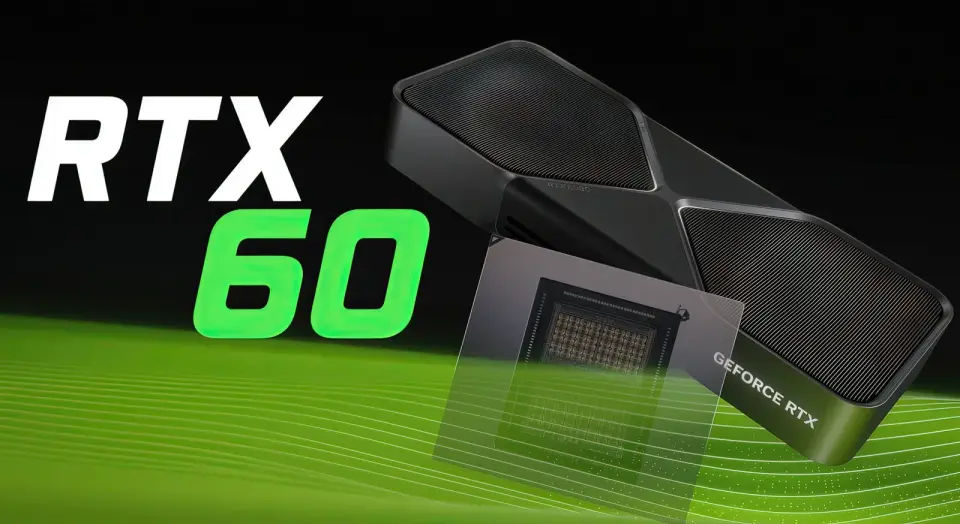
NVIDIA’s next-generation GeForce RTX 60-series, codenamed 'Rubin,' is reportedly delayed to 2028 due to memory shortages and data center priorities. While leaker kopite7kimi confirms this timeline, conflicting rumors from Moore’s Law Is Dead suggest an earlier 2027 release. The delay reflects economic constraints rather than technical inability, as current high memory prices make a near-term launch unviable for consumer markets.
Key points
- Leaker kopite7kimi states the GR20X (RTX 60) family is a 2028 product, contradicting earlier 2027 estimates.
- Moore’s Law Is Dead claims an H1 2027 launch is greenlit, but this view is disputed by other insiders like Jukan.
- Memory shortages and high component costs are cited as the primary reasons for the delay, not production capacity.
- NVIDIA prioritizes data center revenue, which is less sensitive to price hikes than the consumer gaming segment.
- The RTX 50 'Super' refresh is also stalled due to expensive 3 GB GDDR7 modules.
Background
This delay extends a trend of stretched GPU cycles. Previous archive coverage noted that AI firms are bulk-buying RTX 5090 cards, driving retail prices above $5,000 and straining supply. Additionally, earlier reports indicated that both NVIDIA and AMD might skip 2027 for next-gen launches, with AMD’s RDNA 5 AT2 potentially being the only exception in 2027. The current situation mirrors past 'paper launches' where cards were announced but unavailable at MSRP, damaging brand reputation.
How outlets are covering it
Wccftech and TechPowerUp emphasize the economic rationale for the delay, noting that launching in a market with sky-high memory prices would result in unaffordable cards. They highlight kopite7kimi’s track record as reliable. In contrast, Notebookcheck focuses on the conflict between leakers, noting that Moore’s Law Is Dead explicitly called the 2028 timeline 'wrong.' Tom’s Hardware frames the delay as a strategic choice to prioritize data center products over gaming, given the latter’s lower profit margins. All sources agree that no official confirmation from NVIDIA exists, and the timeline remains subject to change based on supply chain conditions.
Why it matters
A 2028 launch means consumers will face a prolonged period of high GPU prices and limited new hardware options. This extends the dominance of current Blackwell-based cards and may allow competitors like AMD to gain market share if they can offer better value. It also signals that the memory crisis is not a temporary blip but a structural issue affecting the entire hardware roadmap through 2027.
What to watch
Watch for any official statements from NVIDIA regarding the RTX 50 'Super' refresh, which may serve as a precursor to the Rubin timeline. Monitor memory price trends in late 2027; if prices normalize, a 2028 launch becomes more likely. Also, track AMD’s RDNA 5 AT2 launch in 2027 to see if it captures market share during NVIDIA’s absence.
- The 2028 Launch Rumor For NVIDIA RTX 60 “Rubin” GPUs Isn’t Surprising At All, And Makes Sense Given The Current Memory & Price Trajectory Wccftech
- NVIDIA GeForce RTX 60-Series Reportedly Slips to 2028, Per New Leak TechPowerUp
- Nvidia's next-gen RTX 60 GPUs might not be released until 2028, prominent leaker claims — gaming takes a back seat as company focuses on delivering data center products Tom's Hardware
- Reliable leaker contradicts Moore's Law Is Dead's Nvidia RTX 6090 release date Notebookcheck
- New generations of NVIDIA and AMD graphics cards delayed to 2028 mobidevices.com
Want the full story? Read the original reporting
Read on Wccftech