
Sony and Bose pivot to wired audio with retro and ANC-focused designs
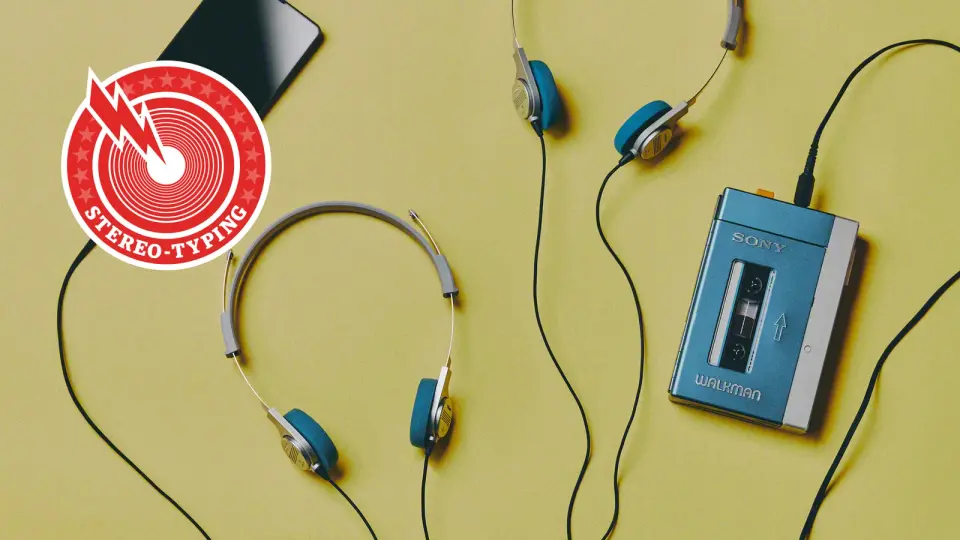
Sony and Bose have simultaneously launched new wired audio products, marking a strategic return to the wired market after a decade of wireless dominance. Sony revived its 1979 Walkman headphones as the MDR-3R, focusing on retro aesthetics and low cost, while Bose introduced noise-cancelling wired earbuds that draw power from the source device. Both moves target younger consumers seeking simple, affordable, and nostalgic audio experiences.
Key points
- Sony launched the MDR-3R, a modernized version of the 1979 Walkman headphones, priced at $60. It features USB-C connectivity, 23mm drivers, and interchangeable blue and orange earpads, weighing 38 grams.
- Bose released Noise Cancelling Wired Earbuds priced at $99. Unlike traditional wired buds, these include active noise cancellation (ANC) powered by the connected smartphone via USB-C, eliminating the need for an internal battery.
- Both brands are leveraging the resurgence of retro technology and the popularity of wired audio among Gen Z, influenced by cultural trends and the desire for simpler, less feature-bloated devices.
- The Sony MDR-3R includes an inline remote and microphone but lacks ANC, while the Bose earbuds offer multiple ANC modes but require a powered source to function.
- A limited-edition Stranger Things version of the Sony headphones, priced at $80, sold out quickly, indicating strong demand for nostalgic collaborations.
Background
This development follows a broader trend in the audio market where established brands are innovating across both wireless and wired formats. Earlier in 2026, Bose re-entered the wired earbud space after a decade-long absence, while competitors like Technics and Nothing launched new flagship noise-canceling models. The current launches by Sony and Bose represent a distinct shift toward simplicity and nostalgia, contrasting with the feature-heavy wireless options that have dominated the market since 2016.
How outlets are covering it
What Hi-Fi? highlights the strategic divergence between the two brands, noting that Bose focuses on technological innovation (ANC in wired form) while Sony leans into pure nostalgia. Ars Technica emphasizes the technical fidelity of the Sony MDR-3R, praising its bright mids and highs but noting weak bass and a microphone that is suboptimal for noisy environments. The Verge focuses on the emotional and nostalgic appeal of the Sony headphones, highlighting their lightweight design and the personal connection many users feel with the original Walkman era. All sources agree that the low price points and simple designs are key to appealing to younger, cost-conscious consumers.
Why it matters
The simultaneous launch of wired products by two major wireless leaders signals a potential shift in consumer preferences toward simplicity, affordability, and nostalgia. It suggests that the market for audio is not solely driven by wireless convenience and advanced features, but also by retro aesthetics and basic functionality. This could influence future product strategies for other audio brands, potentially leading to a broader resurgence of wired audio in the consumer market.
What to watch
Performance reviews of both the Sony MDR-3R and Bose Noise Cancelling Wired Earbuds are expected to provide insights into their real-world usability, particularly regarding battery drain for Bose and sound leakage for Sony. The quick sell-out of the Stranger Things edition suggests that limited-edition retro collaborations may become a significant marketing strategy for audio brands targeting younger demographics.
- Retro or ANC? Sony and Bose are courting the younger generation with two very different wired headphone designs, and I'm all for it What Hi-Fi?
- Sony revives the original Walkman headphones, adds USB-C Ars Technica
- Sony and ‘Stranger Things’ Send The Original Walkman Headphones to the Upside Down Hypebeast
- Sony’s retro headphones brought me back to my youth The Verge
- Sony Debuts $60 Wired Headphones With ’80s-Inspired Design Bloomberg.com
Want the full story? Read the original reporting
Read on What Hi-Fi?