
Xiaomi Unveils AI Cube Mini PC and Xring Chip Family for Local AI and Autonomous Driving
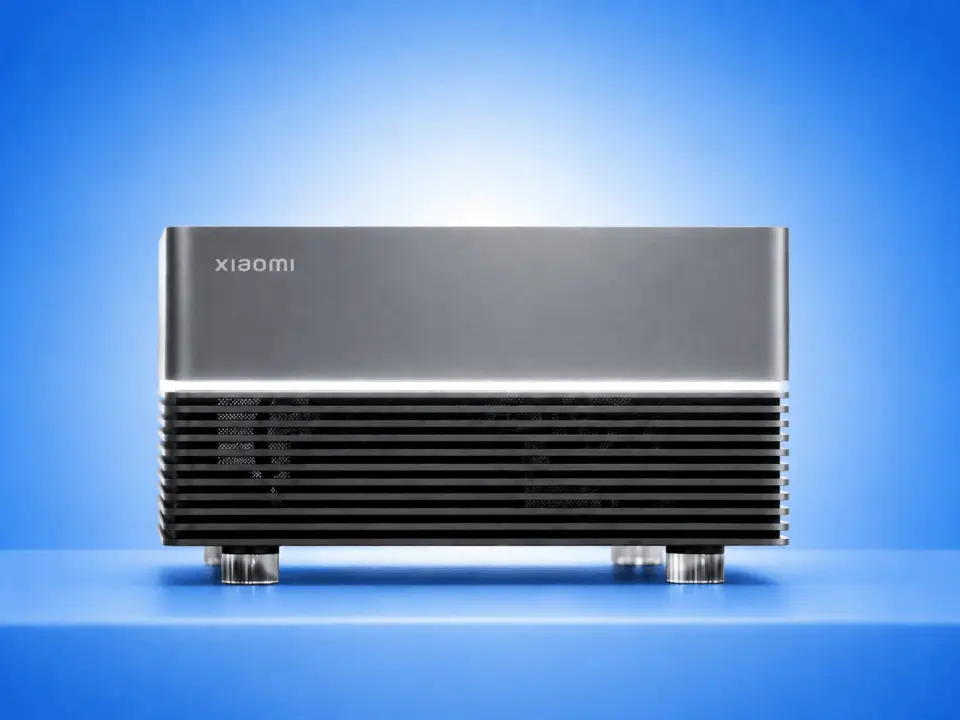
Xiaomi has unveiled its AI Cube mini PC prototype and a new family of Xring chips, including the O3, O100, and D100. The AI Cube combines these three chips to support local AI models with up to 150 W of sustained performance. The O3 chip is set to debut in the Xiaomi 18 Fold smartphone, while the O100 and D100 are planned for commercial launch in 2027. The D100 chip is designed for intelligent driving and aims to reduce reliance on Nvidia hardware.
Key points
- Xiaomi unveiled the AI Cube engineering prototype at its Xring chip technology conference on August 24, 2026.
- The AI Cube combines the Xring O3, O100, and D100 chips to support local AI models with up to 150 W of sustained performance.
- The Xring O3 chip is a 3nm mobile processor that supports LPDDR6 memory and will debut in the Xiaomi 18 Fold smartphone in September 2026.
- The Xring O100 is a 6nm AI accelerator using 3D wafer-level stacked packaging, offering up to 1.22 TB/s of near-memory computing bandwidth.
- The Xring D100 is a 3nm chip designed for intelligent driving and high-performance AI, supporting up to 160 GB of unified memory and 200 billion parameter models.
- Xiaomi has invested over $3 billion in the development of these new chips, aiming to reduce reliance on Nvidia for autonomous driving hardware.
Background
Xiaomi has been expanding its in-house chip development, previously launching the Xring O1 and T1 in May 2025. The company's move to develop custom chips for autonomous driving aligns with trends among other Chinese automakers like BYD, Nio, and Xpeng, who are also exploring in-house silicon to reduce dependence on US-sourced chips like those from Nvidia. This shift is part of a broader strategy to control costs, supply, and development timing in the AI and automotive sectors.
How outlets are covering it
Notebookcheck emphasizes the AI Cube's performance capabilities, highlighting its 150 W sustained power and comparison to other mini PCs like the GMKtec EVO-X2. InsideEVs focuses on the strategic implications of Xiaomi's in-house chip development for autonomous driving, noting the potential to reduce reliance on Nvidia and the $3 billion investment in R&D. TrendForce provides detailed technical specifications for the Xring O3, O100, and D100 chips, emphasizing their advancements in memory support, packaging, and AI performance. While Notebookcheck and TrendForce focus on the technical specs and performance, InsideEVs highlights the broader industry and strategic context of Xiaomi's move.
Why it matters
Xiaomi's unveiling of the AI Cube and Xring chip family marks a significant step in the company's efforts to develop in-house AI and autonomous driving technology. This move not only reduces reliance on external suppliers like Nvidia but also positions Xiaomi as a key player in the competitive landscape of AI and autonomous driving. The development of these chips could have implications for the broader industry, as other companies may follow suit in developing in-house solutions to control costs and supply chains.
What to watch
Xiaomi plans to launch the Xring O3 chip in the Xiaomi 18 Fold smartphone in September 2026. The Xring O100 and D100 chips are expected to be commercially available in 2027. The company has not yet announced a release date or price for the AI Cube mini PC. Further developments in Xiaomi's chip technology and its impact on the AI and autonomous driving industries will be closely watched by industry observers.
- Xiaomi unveils AI Cube mini PC with three Xring chips and 150 W performance Notebookcheck
- Xiaomi launches new Xring chip, partners with TSMC for production, sources say Reuters
- Xiaomi Develops Its Own AI Mobile Chip in Challenge to Qualcomm Bloomberg
- Xiaomi Unveils Custom Chip For Driver-Assist Features InsideEVs
- [News] Xiaomi Unveils 3nm XRING O3, Reportedly First Mobile Chip to Support LPDDR6; Debuts on Xiaomi 18 Fold TrendForce
Want the full story? Read the original reporting
Read on Notebookcheck