
Gen Z Workplace Misunderstandings Stem from Divergent Communication Environments, Not Attitudes
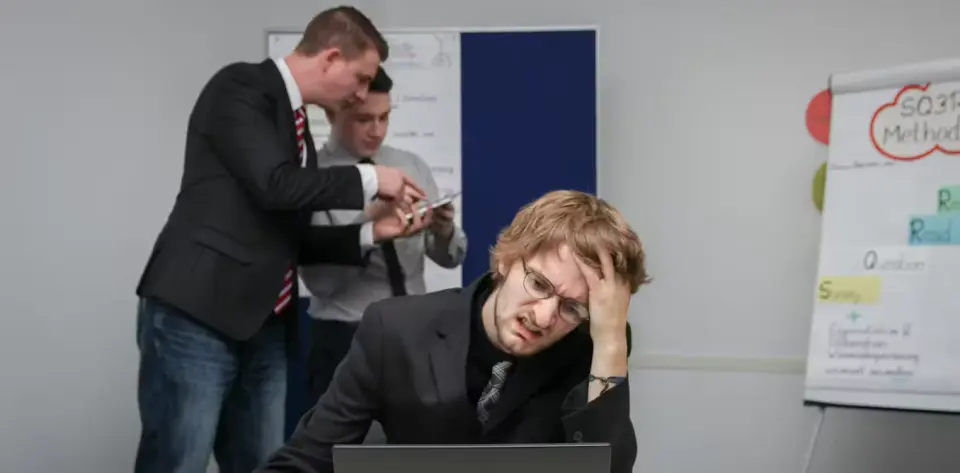
Jeff LeBlanc argues that generational workplace conflicts often arise from differing definitions of respect rather than bad faith. Gen Z employees, shaped by pandemic-era remote work and digital norms, may view texting as considerate while older managers interpret it as casual. LeBlanc suggests that explicit clarification of expectations, rather than assuming shared 'common sense,' can bridge these gaps.
Key points
- A Gen Z employee at a café texted her Gen X boss about being late, viewing it as respectful of his time, while the boss felt a phone call was necessary to show seriousness.
- LeBlanc notes that Gen Z workers often view transparency about mental health as honesty, whereas older managers may perceive this as oversharing due to traditional professional boundaries.
- The pandemic era removed opportunities for Gen Z to learn non-verbal cues, such as reading facial expressions in meetings, making explicit verbal feedback more critical.
- Ambiguous deadlines, such as 'Friday' versus 'Friday by 10 a.m.,' cause friction because Gen Z values clear structural expectations alongside autonomy.
- LeBlanc’s survey of 250 Gen Z professionals found that clear expectations, fairness, and empathetic engagement are recurring themes in their workplace preferences.
Background
This analysis follows recent discussions on Gen Z communication shifts, including changing phone etiquette and the decline of spontaneous calls. It also aligns with broader trends where Gen Z adapts to digital-first environments, contrasting with older generations who learned professional norms in pre-pandemic, face-to-face settings.
Why it matters
As Gen Z moves deeper into the workforce, these communication gaps can lead to unnecessary conflict and reduced productivity. Recognizing that norms are learned, not innate, allows managers to clarify expectations and prevent misunderstandings, fostering a more inclusive and effective multigenerational workplace.
What to watch
Organizations may need to implement clearer communication protocols and training to bridge generational gaps. As AI tools accelerate communication, the need for explicit context and structured feedback will likely increase to ensure understanding across diverse generational cohorts.
Want the full story? Read the original reporting
Read on The Conversation